
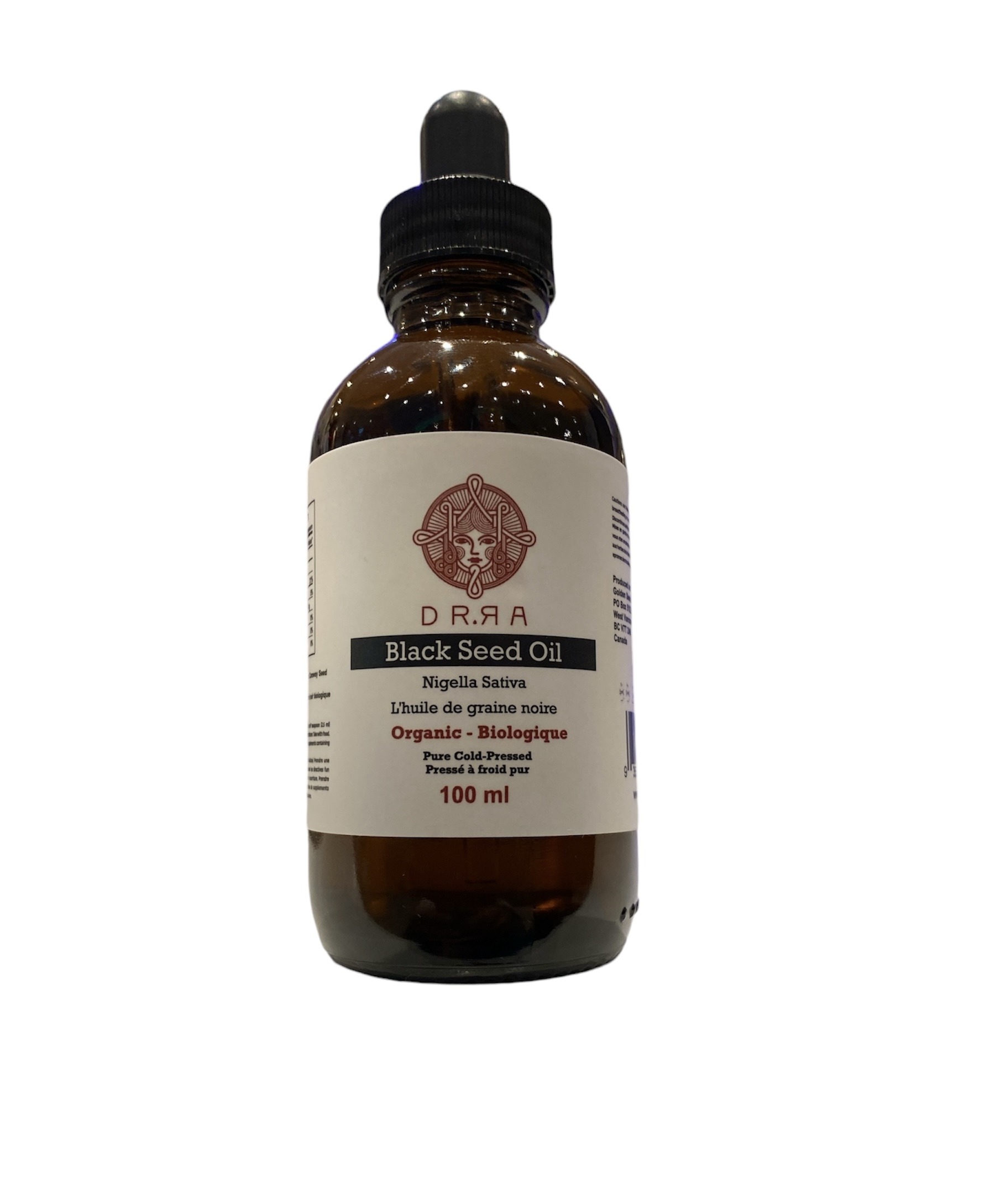
Key Ingredients:
- Thymoquinone: The primary active compound with antioxidant and anti-inflammatory properties.
- Thymohydroquinone: Another compound contributing to its therapeutic effects.
- Nigellidine: An alkaloid with potential health benefits.
- Essential Fatty Acids: Includes omega-3, omega-6, and omega-9 fatty acids.
- Vitamins and Minerals: Contains small amounts of vitamins such as A, C, and E, and minerals like calcium, potassium, and iron.
All Other Names:
- Nigella sativa oil
- Black cumin seed oil
- Black caraway oil
- Kalajeeri oil
- Anti-inflammatory: May help reduce inflammation and pain.
- Antioxidant: Helps protect cells from oxidative stress and damage.
- Immune Support: May boost the immune system and enhance overall health.
- Digestive Health: Can aid in digestion and reduce symptoms of gastrointestinal issues.
- Respiratory Health: Used to relieve symptoms of asthma and bronchitis.
- Skin Health: May improve skin conditions such as eczema and acne.
- Anti-bacterial and Anti-fungal: Exhibits properties that help fight infections.
Usage Instructions:
- Topical Use: Apply a few drops directly to the skin or mix with carrier oils for massage.
- Oral Use: Typically, 1-2 teaspoons per day, either in capsules or as a liquid. Consult a healthcare provider for appropriate dosage.
- Cooking: Can be used in moderation as a flavoring or finishing oil, but not recommended for high-heat cooking.
Safety Information:
- Possible Allergic Reactions: Some individuals may experience allergic reactions or skin irritation.
- Pregnancy and Breastfeeding: Consult a healthcare provider before use.
- Medication Interactions: May interact with certain medications, such as anticoagulants. Always check with a healthcare professional before combining with other treatments.
Scientific Support:
- Research: Various studies have shown that black seed oil has beneficial effects due to its antioxidant and anti-inflammatory properties. Clinical trials have explored its role in managing conditions such as asthma, diabetes, and hypertension.
- PubMed and other databases often list research articles exploring the effectiveness and safety of black seed oil.
Origin:
- Plant Source: Derived from the seeds of Nigella sativa, a flowering plant native to the Mediterranean region, parts of Africa, and South Asia.
Quality and Sourcing:
- Extraction Method: Typically cold-pressed to retain the oil’s nutritional value. Ensure the oil is 100% pure and free from additives.
- Certification: Look for organic certification and third-party testing to ensure quality and purity.
- Storage: Store in a cool, dark place to maintain its potency and extend shelf life.


