
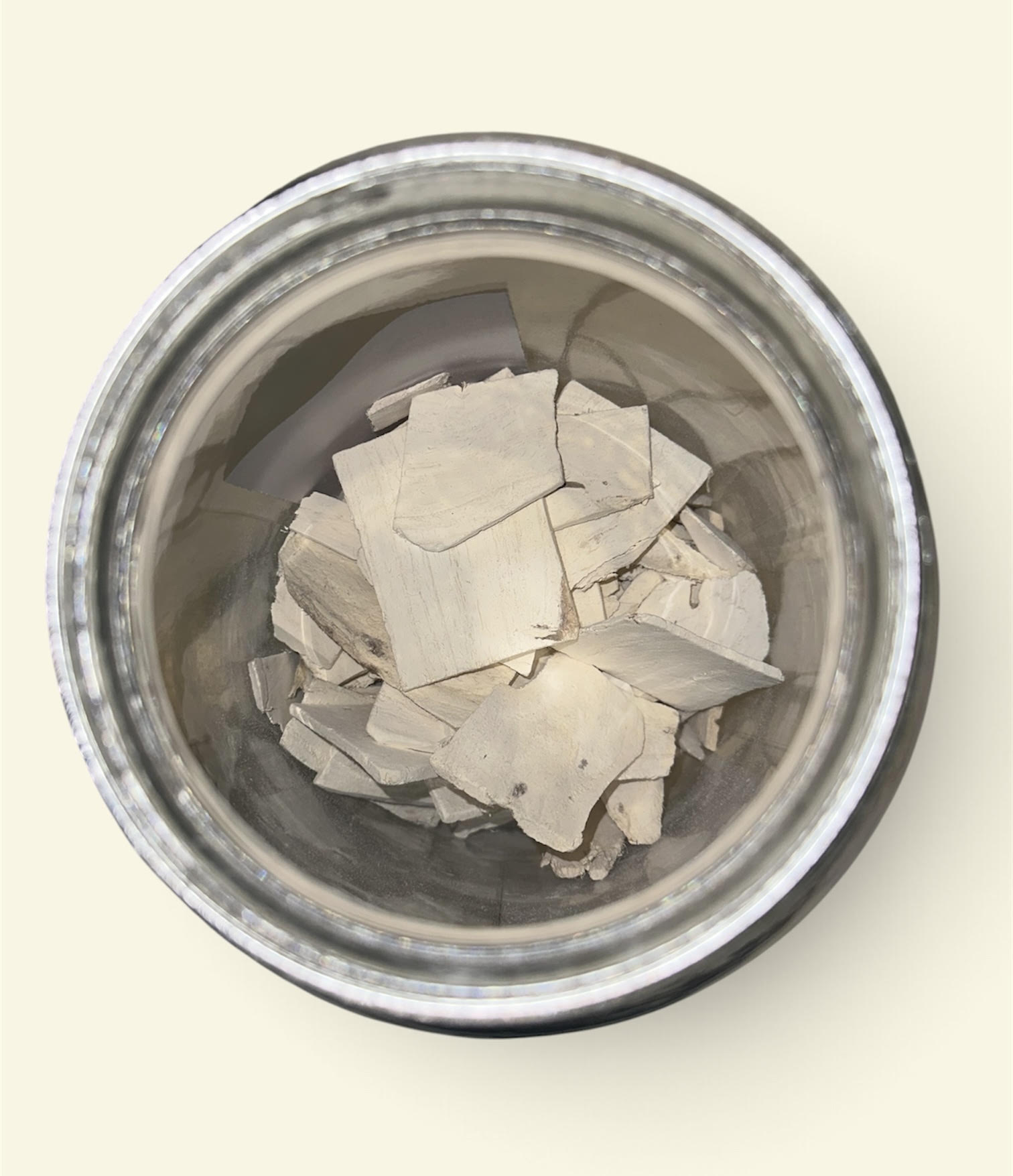
Description:
Ge Gen (Pueraria lobata) is a traditional Chinese herbal medicine prepared from the dried root of Pueraria lobata (Willd.) Ohwi, a perennial climbing plant in the Fabaceae family. It is commonly known as Ge Gen, Gegen, Pueraria Root, Kudzu Root, Kudzu, Radix Puerariae, and Puerariae Lobatae Radix. In Traditional Chinese Medicine (TCM), Ge Gen is traditionally valued for its ability to release the Exterior, relax the muscles of the neck and upper back, generate body fluids, relieve thirst, and raise Yang.
Ge Gen is traditionally considered an important herb for patterns involving Wind-Cold affecting the Exterior, particularly when neck and upper-back stiffness or muscular tension are present. It is traditionally associated primarily with the Spleen and Stomach meridians and is commonly included in formulas intended to release the Exterior, relax muscles, generate body fluids, and support healthy digestion.
Ge Gen is traditionally used to release Exterior Wind-Cold and relieve stiffness or tension in the neck and upper back. In TCM, it may be selected in traditional formulas for headache, neck stiffness, muscular tension, and other symptoms associated with Exterior patterns.
Ge Gen is also traditionally used to generate body fluids and relieve thirst. It may be included in traditional formulas when thirst or reduced body fluids occur together with an appropriate TCM pattern.
Ge Gen is traditionally used to raise Yang and is commonly included in formulas addressing certain types of diarrhea associated with Spleen deficiency or sinking of clear Yang according to TCM principles. It is often combined with other herbs according to the individual’s traditional pattern, constitution, and specific symptoms.
Benefits:
- Traditionally used to release Exterior Wind-Cold according to Traditional Chinese Medicine principles
- Traditionally used to support comfortable neck and upper-back function
- Traditionally used to relax muscles and relieve muscular tension
- Traditionally used to support comfortable shoulder and upper-back movement
- Traditionally used to relieve headache associated with traditional Exterior patterns
- Traditionally used to generate body fluids
- Traditionally used to relieve thirst according to TCM principles
- Traditionally used to support healthy hydration and fluid balance
- Traditionally used to raise Yang according to traditional TCM principles
- Traditionally used to support healthy digestive function
- Traditionally used to support comfortable bowel function
- Traditionally used in traditional formulas for certain types of loose stools
- Traditionally used to support healthy circulation
- Provides naturally occurring isoflavones, including puerarin and daidzein
- Provides antioxidant compounds investigated in modern scientific research
- Traditionally used as a supportive ingredient in TCM herbal formulas
- Traditionally used to support overall wellness and vitality
Other Names:
Ge Gen, Ge Gen (葛根), Gegen, Ge Gen Root, Pueraria Root, Puerariae Radix, Radix Puerariae, Puerariae Lobatae Radix, Kudzu Root, Kudzu, Chinese Kudzu, Pueraria lobata, Pueraria lobata (Willd.) Ohwi, Pueraria montana var. lobata, and Ye Ge.
Persian names: ریشه کودزو (Kudzu Root), کودزو (Kudzu), ریشه پوراریا (Pueraria Root), و ریشه پueraria لوباتا (Pueraria lobata Root).
Traditional Uses:
In Traditional Chinese Medicine, Ge Gen is traditionally used to release the Exterior and relax the muscles. It is particularly associated with Wind-Cold patterns involving stiffness or tension in the neck and upper back.
Ge Gen is traditionally used for neck stiffness, upper-back tension, and headache when these symptoms occur as part of an appropriate traditional Exterior pattern. It is commonly included in formulas designed to release the Exterior while helping relax the muscles.
Ge Gen is also traditionally used to generate body fluids and relieve thirst. According to TCM principles, it may be selected when thirst or reduced body fluids occur in connection with an appropriate pattern.
Traditionally, Ge Gen is also used to raise Yang and support healthy digestive function. It may be included in formulas for certain types of loose stools associated with Spleen deficiency or sinking of clear Yang.
Ge Gen is often combined with other TCM herbs according to the individual’s traditional pattern, constitution, and specific symptoms.
Side Effects:
Ge Gen is generally used as a traditional herbal preparation under the guidance of a qualified practitioner. Some individuals may experience gastrointestinal discomfort, nausea, abdominal discomfort, bloating, diarrhea, or other digestive symptoms.
Allergic reactions are possible in sensitive individuals, particularly those with sensitivities to plants in the Fabaceae/Leguminosae family.
Because Ge Gen contains biologically active isoflavones, concentrated extracts may produce stronger physiological effects than traditional whole-root preparations.
Individuals with digestive weakness or sensitivity to cooling herbs may not tolerate Ge Gen well when used inappropriately or in excessive amounts according to traditional TCM principles.
Discontinue use and consult a healthcare practitioner if unwanted or persistent symptoms occur.
Precautions:
Consult a healthcare practitioner prior to use if you are taking prescription medications or other natural health products, or if you have a medical condition.
Consult a qualified healthcare practitioner or Traditional Chinese Medicine practitioner before use if you have significant digestive weakness, persistent diarrhea, or a traditional Cold or Spleen deficiency pattern.
Consult a healthcare practitioner before use if you are taking medications for blood pressure, blood sugar, cardiovascular conditions, or other chronic conditions.
Consult a healthcare practitioner before use if you are taking medications that are metabolized by liver enzymes, particularly medications with a narrow therapeutic range.
Because Pueraria contains naturally occurring isoflavones with estrogen-like activity in experimental research, individuals with hormone-sensitive conditions or those taking hormone-related medications should seek professional guidance before using concentrated preparations.
Do not use during pregnancy or breastfeeding unless directed by a qualified healthcare practitioner or Traditional Chinese Medicine practitioner.
Consult a healthcare practitioner before use if you have a serious or major medical condition.
Discontinue use and consult a healthcare practitioner if symptoms persist or worsen or if new symptoms develop.
Interactions:
Consult a healthcare practitioner before using Ge Gen with prescription medications or other natural health products.
Human interaction data for whole-herb Ge Gen preparations are limited. The potential for interactions may vary according to the preparation, dose, duration of use, and concentration of puerarin and other active constituents.
Individuals taking blood-pressure medications should seek professional guidance because puerarin and other Pueraria constituents have been investigated for cardiovascular and vascular effects.
Individuals taking blood-sugar-lowering medications should seek professional guidance because Pueraria and puerarin have been investigated for effects on glucose metabolism.
Individuals taking anticoagulant or antiplatelet medications should use caution and seek professional guidance. Experimental research has investigated interactions between puerarin and anticoagulant pathways.
Puerarin has also been investigated for effects on cytochrome P450 enzymes, including CYP3A and CYP2D6, suggesting a potential mechanism for interactions with medications metabolized through these pathways.
Individuals taking multiple medications or combining Ge Gen with concentrated herbal extracts should consult a qualified healthcare practitioner before use.
Dosing:
Use according to the product label or as directed by a qualified healthcare practitioner or Traditional Chinese Medicine practitioner.
Traditional Chinese Medicine references commonly describe Ge Gen in an approximate range of 9–15 g when used as a decoction, although the appropriate amount depends on the preparation, formula, individual constitution, and clinical circumstances.
For a 50 g bulk-herb product, the package quantity should not be interpreted as a recommended daily dose.
Storage:
Store in a cool, dry place away from direct sunlight. Keep tightly closed and out of reach of children.
Preparation:
If using dried Ge Gen herb, prepare according to the directions provided by your Traditional Chinese Medicine practitioner or product instructions. Traditionally, Ge Gen is commonly prepared as a decoction or used as part of a TCM herbal formula.
Ge Gen may also be processed or incorporated into traditional herbal preparations. Preparation methods can vary according to the intended traditional application and the other herbs included in the formula.
Scientific Support:
Ge Gen is primarily derived from Pueraria lobata (Willd.) Ohwi and is also referred to in scientific literature as Radix Puerariae or Puerariae Lobatae Radix. Research has identified numerous naturally occurring compounds in the root, particularly isoflavones such as puerarin, daidzin, daidzein, genistein, and related compounds.
Puerarin is one of the major bioactive constituents of Pueraria lobata and has been extensively investigated in laboratory, animal, and clinical research. Studies have examined potential antioxidant, anti-inflammatory, cardiovascular, metabolic, and neuroprotective activities. These findings provide scientific interest in Ge Gen but do not establish that whole-herb Ge Gen is effective for treating specific medical conditions in humans.
Modern research has also investigated Ge Gen and puerarin in relation to glucose metabolism. A systematic review of Ge Gen and Ge Gen-containing formulas for diabetes reported potential benefits in blood-glucose control, while also noting limitations in the available evidence and differences between the herbal formulas studied. These findings should not be interpreted as proof that dried Ge Gen alone treats diabetes.
Research has investigated the potential cardiovascular effects of puerarin, including vascular function, inflammation, lipid metabolism, and ischemic pathways. Much of this evidence comes from experimental research, and the clinical relevance to a 50 g whole-herb Ge Gen product remains uncertain.
Ge Gen and puerarin have also been investigated for potential herb-drug interactions. Experimental research has found effects on CYP3A-mediated drug metabolism, while a human study investigated effects involving CYP2D6 and CYP1A2. These findings support the precaution of consulting a healthcare practitioner when Ge Gen or concentrated Pueraria preparations are combined with prescription medications.
Clinical evidence for Ge Gen remains variable compared with its long history of traditional use. Research differs according to the plant material, extract, preparation, dose, combination formula, and health condition studied. Additional high-quality human clinical studies are needed to establish specific therapeutic applications, effectiveness, safety, and dosing.
References & Scientific Support:
PubMed – Radix Puerariae: an overview of its chemistry, pharmacology, pharmacokinetics, and clinical use. This review specifically discusses Ge Gen (Gegen), the dried root of Pueraria lobata, including its traditional uses, chemical constituents, puerarin, pharmacological research, clinical evidence, pharmacokinetics, and potential herb-drug interactions. View Research.
PubMed – Puerarin: a review of pharmacological effects. This review examines puerarin, a major bioactive constituent of Pueraria lobata root, including research into antioxidant, cardiovascular, metabolic, anti-inflammatory, neuroprotective, and other biological activities. View Research.
Health Canada – Licensed Natural Health Products Database: Ge Gen. Health Canada’s database contains a licensed product specifically named Ge Gen containing Pueraria montana var. lobata. The record provides Canadian regulatory information, medicinal ingredient information, recommended use, dosage, and cautions for that specific licensed product. View Health Canada Reference.


