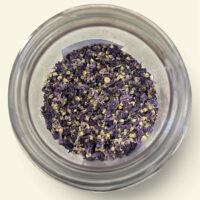
Description:
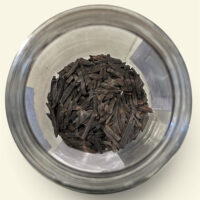
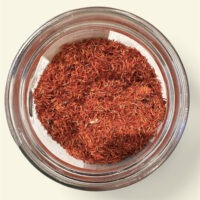
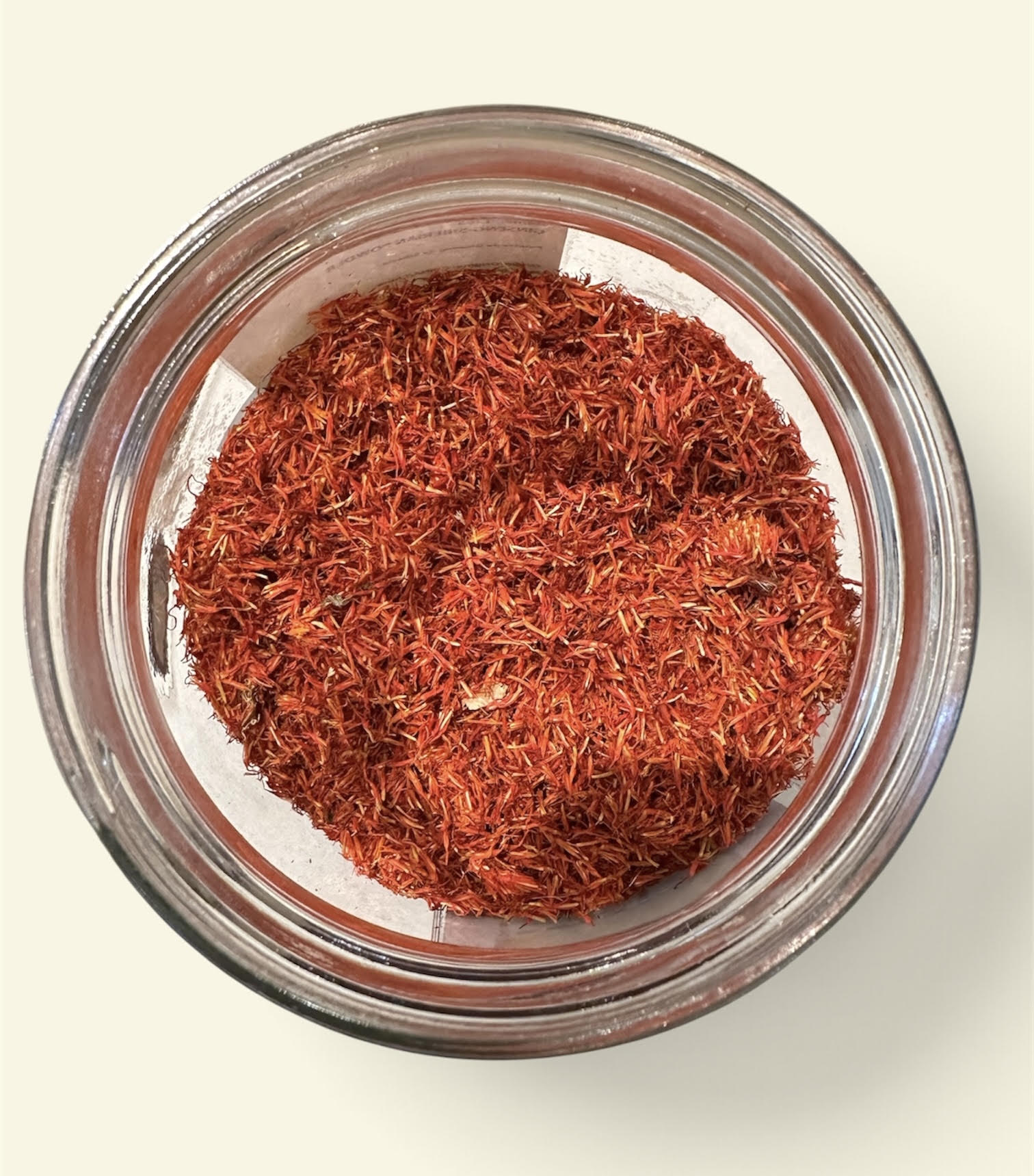
Hong Hua (红花), also known as Safflower Flower, is a traditional Chinese herbal medicine prepared from the dried flowers of Carthamus tinctorius L., a plant in the Asteraceae family. In Traditional Chinese Medicine (TCM), it is traditionally valued for invigorating Blood, promoting circulation, addressing Blood Stasis, and relieving pain.
Hong Hua is traditionally associated with the Liver and Heart meridians. It is commonly used in traditional formulas for menstrual discomfort, irregular or absent menstruation, and pain associated with Blood Stasis.
In TCM, Hong Hua is also traditionally used for certain types of pain following injuries and for discomfort associated with impaired Blood circulation. Its applications depend on the individual’s constitution, symptoms, and traditional pattern assessment.
Safflower flowers contain naturally occurring flavonoids and other phytochemicals that have been investigated in scientific research. However, laboratory findings do not establish that dried Hong Hua is an effective treatment for specific medical conditions in humans.
Benefits:
-
Traditionally used to invigorate Blood according to TCM principles
-
Traditionally used to address Blood Stasis patterns
-
Traditionally used to support menstrual health
-
Traditionally used for menstrual discomfort
-
Traditionally used in formulas for irregular or absent menstruation
-
Traditionally used to relieve pain associated with Blood Stasis
-
Traditionally used in selected formulas for discomfort following injuries
-
Contains naturally occurring flavonoids and other phytochemicals
-
Provides plant compounds investigated for antioxidant and anti-inflammatory activities
-
Traditionally used as an ingredient in classical TCM herbal formulas
Other Names:
Hong Hua, Hong Hua (红花), Honghua, Safflower Flower, Safflower, Chinese Safflower, Carthami Flos, Flos Carthami, Safflower Floret, and Carthamus tinctorius L.
Persian names: کاشفه (Kafsheh), گلرنگ (Golrang), and گل گلرنگ (Gol-e Golrang). Kafsheh is a Persian medicinal name reported in ethnopharmacological literature, while Golrang is a common name for safflower.
Indian names: कुसुम (Kusum), कुसुम्भ (Kusumbha), and कुसुम्भा (Kusumbha). Regional names may vary.
Traditional Uses:
In Traditional Chinese Medicine, Hong Hua is traditionally used to invigorate Blood and address Blood Stasis, particularly in patterns involving menstrual irregularities and pain.
It is traditionally included in formulas for menstrual cramps, absent menstruation, and selected postpartum conditions. It may also be used in formulas for pain associated with injuries and impaired Blood circulation.
Hong Hua is considered a warming, Blood-moving herb. Its traditional applications depend on the individual’s symptoms and TCM pattern.
Side Effects:
Hong Hua may cause gastrointestinal discomfort or allergic reactions in sensitive individuals. Excessive medicinal use may cause abdominal pain, diarrhea, or abnormal bleeding.
Because it is traditionally used to promote Blood circulation and menstruation, it requires particular caution in individuals with bleeding disorders or heavy menstrual periods.
Discontinue use and consult a healthcare practitioner if unusual bleeding or other concerning symptoms occur.
Precautions:
Pregnancy: Do not use during pregnancy. Hong Hua is traditionally used to stimulate menstruation and move Blood, and medicinal use may pose a risk during pregnancy.
Breastfeeding: Consult a qualified healthcare practitioner before use because safety information is limited.
Consult a healthcare practitioner before use if you have a bleeding disorder, heavy menstrual bleeding, a medical condition, or take prescription medications.
Seek medical assessment for persistent menstrual irregularities, severe pain, or unexplained bleeding.
Interactions:
Consult a healthcare practitioner before combining Hong Hua with prescription medications or other natural health products.
Anticoagulants and antiplatelet medications: Hong Hua may affect Blood circulation, and potential interactions involving bleeding risk warrant caution.
Medications affecting blood clotting: Consult a healthcare practitioner before combining Hong Hua with medications that influence coagulation.
Hormonal medications: Seek professional advice before combining Hong Hua with hormonal contraceptives or other treatments affecting menstruation.
Other Blood-moving herbs: Combining Hong Hua with other herbs traditionally used to promote Blood circulation may increase uncertainty regarding bleeding risk.
Clinical interaction data for whole dried Hong Hua remain limited.
Dosing:
Use according to the product label or as directed by a qualified Traditional Chinese Medicine practitioner.
Traditional Chinese Medicine references commonly describe dried Hong Hua in an approximate range of 3–10 g for decoction use. The appropriate amount depends on the preparation, formula, and individual circumstances.
This is a traditional reference range, not a personalized dosing recommendation. Hong Hua should not be used medicinally during pregnancy.
For a 50 g bulk-herb product, the package quantity should not be interpreted as a recommended daily dose.
Storage:
Store in a cool, dry place away from direct sunlight. Keep tightly closed and out of reach of children.
Protect the dried flowers from moisture, humidity, insects, and excessive heat. Discard if there are signs of mold, unusual odor, or spoilage.
Preparation:
Hong Hua is traditionally prepared as a decoction by simmering the dried flowers in water according to a qualified practitioner’s instructions.
It is commonly combined with other herbs in traditional formulas for menstrual discomfort, Blood Stasis patterns, and pain.
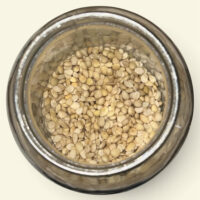
Use only correctly identified Carthamus tinctorius flowers. Safflower flower should not be confused with safflower seed or safflower seed oil, which have different compositions and uses.
Scientific Support:
Hong Hua is derived from the dried flowers of Carthamus tinctorius L. Research has identified naturally occurring flavonoids, quinochalcone pigments, and other phytochemicals, including hydroxysafflor yellow A.
Modern research has investigated safflower for potential antioxidant, anti-inflammatory, cardiovascular, and other biological activities. Some studies have also examined its traditional applications in menstrual health and pain management.
However, much of the evidence comes from laboratory studies, animal research, or specialized extracts. These findings do not establish that whole dried Hong Hua is effective for treating specific medical conditions in humans. Further clinical research is needed to clarify its effectiveness, dosing, and safety.
References & Scientific Support:
PubMed – Towards a Better Understanding of Medicinal Uses of Carthamus tinctorius L. in Traditional Chinese Medicine: A Phytochemical and Pharmacological Review. This review examines the traditional uses, chemical constituents, pharmacological activities, and safety of safflower, including research into Blood circulation, inflammation, and pain-related applications. View Research.
PubMed – Medical Uses of Carthamus tinctorius L. (Safflower): A Comprehensive Review from Traditional Medicine to Modern Medicine. This review summarizes safflower’s traditional applications, including menstrual discomfort and postpartum conditions, along with its phytochemistry and potential pharmacological effects. It also discusses the limitations of current scientific evidence. View Research.
Health Canada – Natural Health Products Ingredients Database: Carthamus tinctorius. This Health Canada reference identifies safflower as an approved herbal ingredient name and provides information about its botanical identity and regulatory classification. Ingredient listing does not mean that every standalone dried safflower product is licensed or approved for specific therapeutic claims. View Health Canada Reference.