Description:
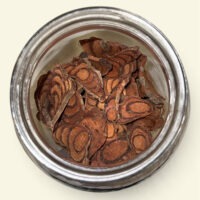
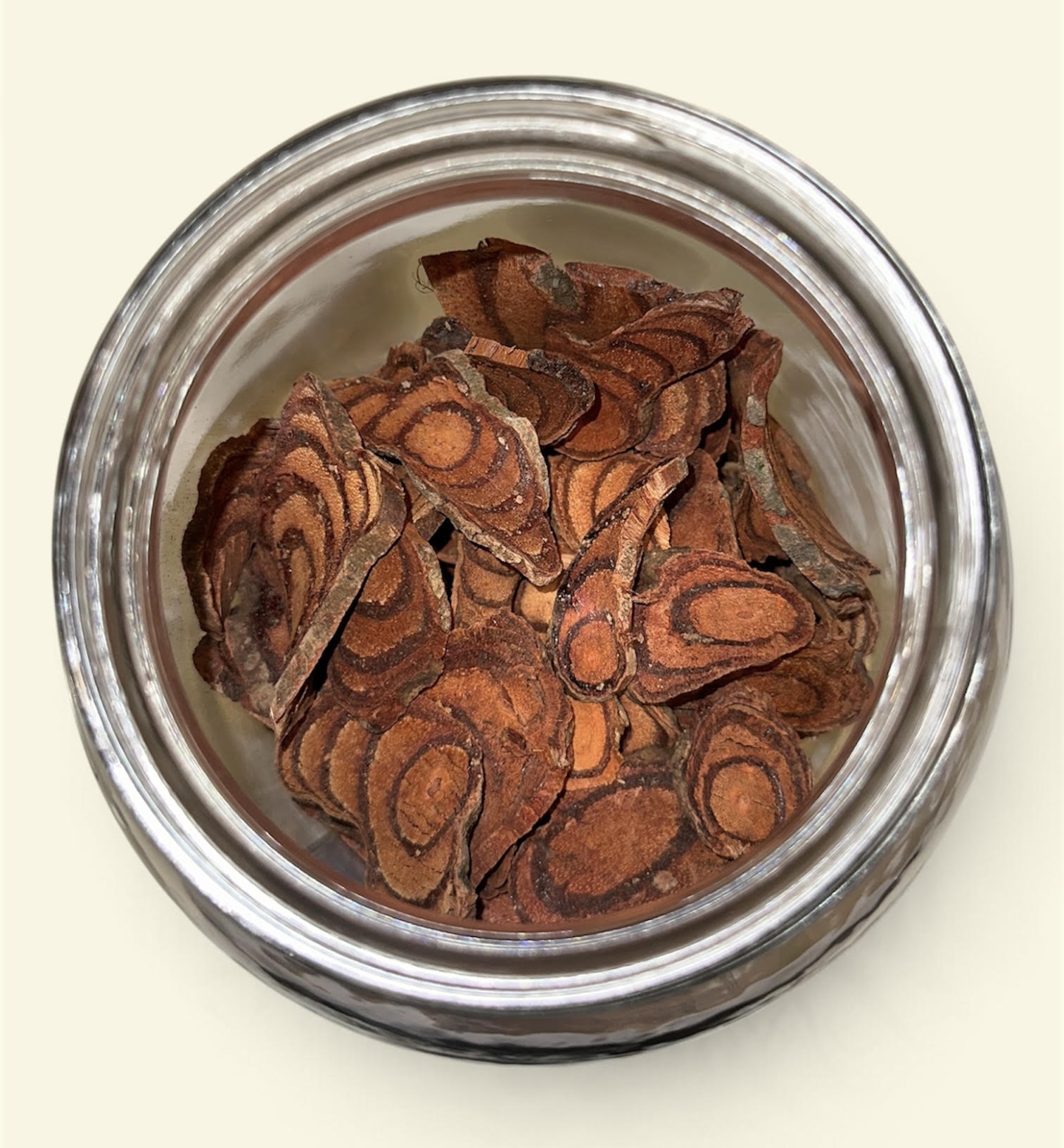
Ji Xue Teng (Spatholobus suberectus Dunn) is a traditional Chinese herbal medicine prepared from the dried vine stem of a climbing plant belonging to the Fabaceae family. Its Chinese name, 鸡血藤 (Jī Xuè Téng), translates approximately to “chicken blood vine,” referring to the reddish sap or coloration that may appear when the stem is cut. It is commonly known as Ji Xue Teng, Spatholobus Stem, Spatholobus Vine Stem, Spatholobi Caulis, and Spatholobus suberectus Dunn. In Traditional Chinese Medicine (TCM), Ji Xue Teng is traditionally valued for its ability to invigorate Blood, nourish Blood, promote the flow of Blood, and support comfortable movement of the limbs according to traditional TCM principles.
Ji Xue Teng is traditionally considered an important herb for patterns involving Blood deficiency, Blood stasis, menstrual irregularities, and discomfort or restricted movement affecting the muscles, tendons, and joints. It is traditionally associated primarily with the Liver and Kidney meridians and is commonly included in herbal formulas intended to nourish and invigorate Blood, support healthy circulation, and address certain patterns of numbness, stiffness, and discomfort.
Ji Xue Teng is traditionally used to nourish and invigorate Blood. It may be selected in traditional formulas for symptoms associated with Blood deficiency and impaired Blood circulation, according to the individual’s TCM pattern.
Ji Xue Teng is also traditionally used to support healthy menstrual function. It may be included in traditional formulas for irregular menstruation and menstrual discomfort associated with traditional Blood deficiency or Blood stasis patterns.
Ji Xue Teng is traditionally used to support comfortable movement of the limbs. It may be included in formulas for numbness, stiffness, and discomfort affecting the muscles, tendons, and joints when these symptoms correspond to appropriate traditional TCM patterns.
Ji Xue Teng is also traditionally valued for its role in formulas intended to support the Liver and Kidney systems. In TCM, these systems are traditionally associated with the nourishment of Blood, tendons, and bones. This traditional framework does not mean that the herb has been clinically proven to treat liver disease, kidney disease, arthritis, or neurological conditions.
Ji Xue Teng is frequently combined with other Chinese herbs according to the individual’s constitution, symptoms, and traditional pattern. Its suitability depends on the overall clinical presentation rather than on a single symptom alone.
Benefits:
- Traditionally used to nourish Blood according to Traditional Chinese Medicine principles
- Traditionally used to invigorate Blood and promote its circulation
- Traditionally used to support healthy circulation according to traditional TCM principles
- Traditionally used in formulas for traditional Blood deficiency patterns
- Traditionally used in formulas for traditional Blood stasis patterns
- Traditionally used to support healthy menstrual function
- Traditionally used in formulas for irregular menstruation
- Traditionally used to address menstrual discomfort associated with traditional Blood stasis patterns
- Traditionally used to support comfortable movement of the limbs
- Traditionally used in formulas for numbness and stiffness associated with traditional Blood deficiency or Blood stasis patterns
- Traditionally used to support comfortable muscle and tendon function
- Traditionally used in traditional formulas for joint discomfort
- Traditionally used to support the Liver and Kidney systems according to TCM principles
- Traditionally used to support the nourishment of tendons according to traditional TCM theory
- Traditionally combined with other herbs in traditional formulas addressing circulation and movement
- Provides naturally occurring flavonoids and other polyphenolic compounds
- Provides naturally occurring phenolic compounds and organic acids
- Contains naturally occurring phytochemicals investigated in pharmacological research
- Has been investigated in laboratory and preclinical studies for antioxidant and anti-inflammatory activities
- Traditionally used as an ingredient in classical Chinese herbal formulas
- Traditionally used to support overall wellness according to TCM principles
These benefits describe traditional uses and areas of scientific investigation. They do not establish that whole dried Ji Xue Teng is clinically effective for treating specific medical conditions.
Other Names:
Ji Xue Teng, Ji Xue Teng (鸡血藤), Spatholobus Stem, Spatholobus Vine Stem, Spatholobi Caulis, Spatholobus Stem Vine, and Spatholobus suberectus Dunn.
Persian names: No reliably established Persian common name identified for this specific botanical species. The Chinese herbal name may be transliterated as جی شue تنگ, but this is a transliteration rather than an established Persian botanical name.
Indian names: No reliably verified traditional Hindi or Sanskrit name identified for Spatholobus suberectus specifically. Indian-language names should not be assigned without reliable botanical documentation, as similar common names may refer to different plants.
Traditional Uses:
In Traditional Chinese Medicine, Ji Xue Teng is traditionally used to nourish and invigorate Blood. It may be included in formulas for traditional Blood deficiency patterns involving weakness, pallor, dizziness, or other symptoms interpreted within the individual’s overall TCM presentation.
Ji Xue Teng is traditionally used to invigorate Blood and address Blood stasis. It may be selected in formulas for discomfort associated with impaired Blood circulation according to traditional TCM pattern differentiation.
Ji Xue Teng is traditionally used to support healthy menstrual function. It may be included in formulas for irregular menstruation or menstrual discomfort associated with traditional Blood deficiency and Blood stasis patterns. Menstrual irregularities can have many causes and may require medical assessment.
Ji Xue Teng is also traditionally used to support comfortable movement of the limbs. It may be included in formulas for numbness, stiffness, and discomfort affecting the muscles, tendons, and joints when these symptoms correspond to an appropriate traditional pattern.
In TCM, Ji Xue Teng is associated with the Liver and Kidney meridians. It may be combined with other herbs traditionally selected to nourish Blood, support the tendons, or promote comfortable movement.
Ji Xue Teng may be prepared as a decoction or included in a multi-herb formula. Traditionally, its use is determined by a qualified TCM practitioner according to the individual’s constitution, symptoms, and overall pattern.
Traditional use should not be interpreted as proof of effectiveness for anemia, arthritis, menstrual disorders, poor circulation, or neurological conditions. Persistent or unexplained symptoms should be evaluated by a healthcare professional.
Side Effects:
Comprehensive human clinical safety data for Ji Xue Teng used alone are limited. The safety of the herb may depend on botanical identity, preparation, amount used, duration of use, individual susceptibility, and other ingredients in a formula.
Possible unwanted effects may include gastrointestinal discomfort or hypersensitivity reactions, although the frequency of these effects has not been adequately established for all preparations.
Because Ji Xue Teng is traditionally used to invigorate Blood, particular caution is appropriate for individuals with bleeding disorders, unusually heavy menstrual bleeding, or other conditions in which increased bleeding could be harmful. The clinical extent of any blood-thinning effect from the whole dried herb is not well established.
The safety of concentrated extracts and long-term use should not be assumed to be equivalent to that of traditional dried-herb preparations.
Discontinue use and seek medical advice if unwanted or persistent symptoms occur.
Precautions:
Consult a qualified healthcare practitioner or Traditional Chinese Medicine practitioner before use if you are taking prescription medications, using other herbal products, or have a medical condition.
Do not use during pregnancy unless specifically directed by a qualified healthcare practitioner. Because Ji Xue Teng is traditionally used to invigorate Blood, unsupervised use during pregnancy is not recommended.
Consult a healthcare practitioner before use if you are breastfeeding, as reliable safety information for this population is limited.
Use caution and obtain professional advice if you have a bleeding disorder, a history of significant bleeding, unusually heavy menstrual periods, or an upcoming surgical or dental procedure.
Individuals taking anticoagulant or antiplatelet medications should obtain professional advice before using Ji Xue Teng because its potential effects on bleeding and interactions with these medications have not been adequately established.
Seek medical assessment for unexplained anemia, persistent dizziness, unusual bruising, heavy menstrual bleeding, persistent numbness, or ongoing joint pain rather than relying on herbal treatment alone.
Discontinue use and consult a healthcare practitioner if symptoms persist or worsen or if new symptoms develop.
Interactions:
Reliable clinical information about interactions between Ji Xue Teng and prescription medications is limited. The absence of well-documented interactions should not be interpreted as proof that interactions cannot occur.
Anticoagulant medications: Individuals taking anticoagulants, including warfarin or direct oral anticoagulants, should consult a healthcare professional before using Ji Xue Teng. The extent of any interaction with the whole herb has not been established.
Antiplatelet medications: Individuals taking medications such as aspirin or clopidogrel should seek professional advice because the herb’s potential effects on bleeding have not been adequately characterized.
Other herbs that affect bleeding: Combining Ji Xue Teng with other herbs traditionally used to invigorate Blood may require professional assessment, especially in individuals with bleeding risks.
Medications for chronic medical conditions: Consult a pharmacist or qualified healthcare practitioner before combining Ji Xue Teng with prescription medications, particularly when taking multiple medications.
Other herbal formulas and concentrated extracts: The effects of multi-herb formulas may differ from those of Ji Xue Teng used alone. Product composition, concentration, and dosage should be reviewed by a qualified professional.
Because clinical interaction studies are limited, professional guidance is recommended when Ji Xue Teng is used alongside medications or other herbal products.
Dosing:
Use according to the product label or as directed by a qualified healthcare practitioner or Traditional Chinese Medicine practitioner.
Traditional Chinese Medicine references commonly describe Ji Xue Teng in an approximate range of 9–15 g when used as a dried herb or decoction. Some references describe broader ranges depending on the formula, preparation, and clinical circumstances.
The appropriate amount depends on the botanical preparation, individual constitution, symptoms, other ingredients, and practitioner guidance. This traditional reference range is not a clinically established universal dose and should not be interpreted as proof of safety or effectiveness.
For a 50 g bulk-herb product, the package quantity should not be interpreted as a recommended daily dose.
Storage:
Store in a cool, dry place away from direct sunlight. Keep tightly closed and out of reach of children.
Protect dried Ji Xue Teng from moisture, humidity, insects, and excessive heat. Discard if there are signs of mold, unusual odor, insect contamination, or spoilage.
Preparation:
If using dried Ji Xue Teng, prepare according to the directions provided by your Traditional Chinese Medicine practitioner or product instructions.
Traditionally, Ji Xue Teng is prepared as a decoction by simmering the dried vine stem in water. It is frequently combined with other herbs in traditional TCM formulas according to the individual’s pattern and intended use.
Preparation time and amount may vary according to the formula and the practitioner’s instructions. Do not increase the amount or frequency of use simply because the product is a dried herb.
Ji Xue Teng should be distinguished from other plants that may share similar common names. Botanical identity and appropriate sourcing are important when selecting herbal ingredients.
Scientific Support:
Ji Xue Teng is primarily associated with Spatholobus suberectus Dunn, a climbing plant belonging to the Fabaceae family. The medicinal material consists of the dried vine stem. Correct botanical identification is important because other species of Spatholobus and potentially confusable plant materials may have different chemical compositions.
The stem contains numerous naturally occurring phytochemicals, including flavonoids, phenolic compounds, organic acids, terpenoids, lignans, and phenolic glycosides. These constituents have been investigated in laboratory and pharmacological studies.
Modern research has examined Spatholobus suberectus for potential antioxidant, anti-inflammatory, hematopoietic, metabolic, neuroprotective, antimicrobial, and other biological activities. Some preclinical studies have investigated effects on blood-cell-related processes and inflammatory pathways. However, these findings do not establish that whole dried Ji Xue Teng treats anemia, improves circulation in humans, relieves arthritis, or prevents or treats cancer.
A comprehensive 2023 review in the Journal of Ethnopharmacology examines the botany, traditional uses, phytochemistry, pharmacology, quality control, pharmacokinetics, and toxicology of Spatholobus suberectus vine stems. The authors identify substantial research interest while noting gaps in the available pharmacokinetic and toxicological evidence.
A separate review published in 2022 examined the pharmacological potential of Spatholobus suberectus, including research on antioxidant, anti-inflammatory, hematopoietic, and other activities. Much of the evidence discussed comes from laboratory experiments, animal studies, and investigations of isolated constituents rather than high-quality human clinical trials.
Clinical evidence for Ji Xue Teng varies according to the preparation, dose, formula, and condition studied. Results from isolated compounds, concentrated extracts, animal experiments, or multi-herb formulas should not automatically be applied to a 50 g whole-herb product.
Further high-quality human research is needed to establish specific therapeutic applications, clinical effectiveness, appropriate dosing, long-term safety, and potential herb–drug interactions.
References & Scientific Support:
PubMed – A comprehensive review: Botany, phytochemistry, traditional uses, pharmacology, and toxicology of Spatholobus suberectus vine stems. This review examines the botanical identity, traditional uses, chemical constituents, pharmacological research, quality control, pharmacokinetics, and toxicology of Spatholobus vine stems. It summarizes research interest in Blood-related traditional uses and other biological activities while identifying important gaps in safety and pharmacokinetic evidence. View Research.
PubMed – A Review of the Pharmacological Potential of Spatholobus suberectus Dunn on Cancer. This review examines the phytochemistry and reported pharmacological activities of Spatholobus suberectus, including preclinical research into antioxidant, anti-inflammatory, hematopoietic, and potential anticancer effects. The authors discuss promising laboratory and animal findings while emphasizing the need for further research, including clinical trials, before drawing conclusions about benefits in humans. View Research.
Health Canada – Licensed Natural Health Products Database: Product Information. Health Canada’s database contains licensed natural health products and their product-specific medicinal ingredients, approved uses, directions, and safety information. A licensed combination product record lists Spatholobus suberectus as one of its medicinal ingredients. This demonstrates its inclusion in a licensed Canadian natural health product, but it does not establish that this particular bulk herb has an individual product licence or that all traditional uses are approved claims. View Health Canada Reference.