Description:
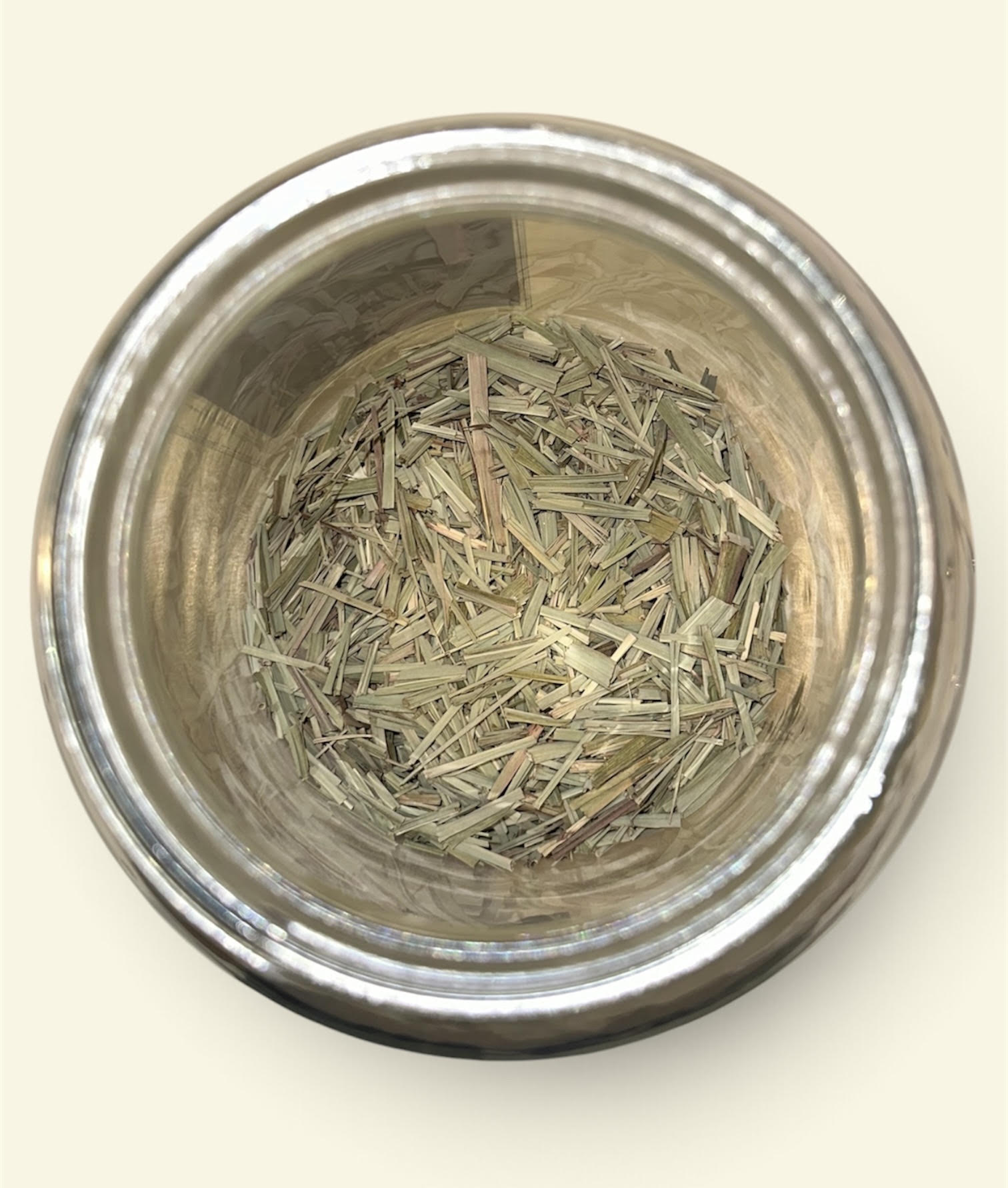
Lemon Grass (Cymbopogon species) is an aromatic herb belonging to the Poaceae (grass) family. It is commonly known as Lemongrass, Lemon Grass, Fever Grass, Barbed Wire Grass, and Citronella Grass, although citronella grass and culinary lemongrass may refer to different species within the Cymbopogon genus. The botanical name provided for this product, Cymbopogon Alafe Limoo, may be a commercial or transliterated name; the exact botanical species should be confirmed with the supplier. Commonly used culinary lemongrass is generally identified as Cymbopogon citratus (DC.) Stapf.
Lemongrass has a fresh, lemon-like aroma and citrus flavor. Its dried leaves are traditionally used to prepare herbal teas, infusions, and aromatic herbal preparations. It is valued in various culinary and traditional herbal practices for its pleasant fragrance and its traditional association with digestive comfort, relaxation, and general wellness.
Lemongrass contains naturally occurring volatile oils and other plant compounds. Depending on the species and preparation, its constituents may include citral, geraniol, myrcene, flavonoids, phenolic compounds, and other phytochemicals. The chemical composition can vary according to the botanical species, growing conditions, harvesting, and processing methods.
Traditionally, lemongrass tea is consumed as a soothing herbal infusion and is commonly associated with digestive comfort. It has also been used traditionally to support relaxation and provide a refreshing beverage after meals.
Lemongrass is used in different traditional herbal practices, including folk herbalism and some regional Asian herbal traditions. Its traditional uses vary by culture and preparation, and traditional use should not be interpreted as proof of effectiveness for treating medical conditions.
This product is a 50 g bulk dried herb intended for herbal infusion and other appropriate uses consistent with the supplier’s product instructions. It should not be confused with concentrated lemongrass essential oil, which is a substantially more concentrated preparation with different safety considerations.
Benefits:
- Traditionally consumed as a refreshing herbal tea
- Traditionally used to support digestive comfort
- Traditionally consumed after meals as a soothing herbal infusion
- Provides a naturally occurring lemon-like aroma and citrus flavor
- Contains naturally occurring volatile oils and aromatic compounds
- Provides naturally occurring citral and other terpenoid compounds, depending on the species and preparation
- Contains naturally occurring flavonoids and phenolic compounds
- Provides plant-derived phytochemicals investigated in modern scientific research
- Traditionally used in various cultures as part of general wellness practices
- May be incorporated into relaxation-oriented herbal tea routines
- Traditionally used in folk herbal practices for digestive complaints
- Has been investigated for potential antioxidant activity
- Has been investigated for potential anti-inflammatory activity in laboratory and preclinical research
- Has been investigated for potential antimicrobial activity in laboratory studies
- Can be used as a culinary herb to enhance the flavor of foods and beverages
- Suitable for preparing herbal infusions when the dried herb is intended for that purpose
- Offers a versatile ingredient for traditional herbal preparations and culinary applications
Note: These benefits reflect traditional use, nutritional and phytochemical characteristics, or preliminary scientific research. They should not be interpreted as proof that dried lemongrass treats or prevents any disease.
Other Names:
Lemongrass, Lemon Grass, West Indian Lemongrass, Fever Grass, Oil Grass, Citronella Grass, and Melissa Grass.
Persian names: علف لیمو (Alaf-e Limoo), لمون گراس (Lemongrass), and گیاه لیمو (Giyah-e Limoo).
Indian names: गंधत्रिण (Gandhatrina), नींबू घास (Nimbu Ghaas), भुस्तृण (Bhustrina), गवती चहा (Gavati Chaha, Marathi), मज्जिगे ಹುಲ್ಲು (Majjige Hullu, Kannada), निम्मगड्डी (Nimmagaddi, Telugu), கர்ப்பூரப்புல் (Karppurappul, Tamil), വാസനപ്പുല്ല് (Vasanappullu, Malayalam), গন্ধবেনা (Gandhabena, Bengali), and લિલિચા (Lilicha, Gujarati).
Traditional Uses:
Lemongrass has a long history of use in traditional herbal practices across tropical and subtropical regions, particularly in Southeast Asia, Africa, and South America. Its traditional applications vary according to the species, preparation, and local herbal traditions.
Lemongrass tea is traditionally consumed to support digestive comfort. It is commonly prepared as a warm infusion and enjoyed after meals. In folk herbalism, it has also been used for occasional digestive discomfort, although clinical evidence supporting these uses remains limited.
Lemongrass is traditionally consumed as a soothing beverage and is sometimes incorporated into relaxation routines. However, a calming or sleep-promoting effect has not been consistently established in human studies.
In some traditional practices, lemongrass preparations have been used for symptoms associated with minor aches, fever, and inflammatory complaints. These uses reflect traditional practice rather than established clinical effectiveness.
Lemongrass is also widely used in food preparation, including soups, curries, sauces, marinades, and herbal beverages. Its citrus-like flavor makes it a popular ingredient in Southeast Asian cuisine.
The essential oil of lemongrass is used in aromatherapy and other applications, but essential oil is distinct from the dried bulk herb. Essential oil should not be substituted for dried leaves on a weight-for-weight basis.
Although research has investigated lemongrass for various biological activities, its traditional uses should not replace appropriate medical assessment or evidence-based treatment.
Side Effects:
Lemongrass consumed as a customary herbal beverage may be tolerated by many adults, but comprehensive safety data for regular medicinal use of dried lemongrass remain limited. Safety depends on the botanical species, amount consumed, preparation, and individual health circumstances.
Possible adverse effects may include gastrointestinal discomfort, nausea, or allergic reactions in sensitive individuals.
Lemongrass may cause skin irritation or allergic reactions in some people, particularly when used in concentrated topical preparations or essential oils.
Concentrated lemongrass essential oil has different safety considerations from dried lemongrass tea. Undiluted essential oil may irritate the skin, eyes, and mucous membranes and should not be consumed unless a specific product is appropriately formulated and explicitly intended for that route of use.
Laboratory findings involving concentrated extracts or isolated compounds cannot automatically be applied to ordinary herbal tea.
Discontinue use if an adverse reaction occurs. Seek medical attention for severe allergic symptoms, breathing difficulties, or other serious reactions.
Precautions:
Consult a qualified healthcare practitioner before using lemongrass medicinally if you have a medical condition or take prescription medications.
Pregnant or breastfeeding individuals should seek professional advice before using concentrated or medicinal amounts of lemongrass because adequate safety data are lacking. Ordinary culinary use and medicinal use should not be assumed to have identical safety profiles.
Individuals with known allergies to lemongrass or related grasses should avoid the product if it causes an allergic reaction.
People scheduled for surgery should inform their healthcare practitioner about regular medicinal use of herbal products and follow the practitioner’s instructions regarding discontinuation.
Do not use lemongrass as a substitute for prescribed medication or as the sole treatment for persistent digestive symptoms, fever, infection, or other medical conditions.
Verify the botanical identity and intended use of the product before preparing it, particularly because the supplied name Cymbopogon Alafe Limoo does not clearly establish the species.
Keep out of reach of children. Store and prepare the herb according to the product label.
Interactions:
Clinical information about interactions between dried lemongrass tea and prescription medications is limited. The possibility of interactions may depend on the amount consumed and the concentration of the preparation.
Blood-pressure medications: Some preclinical research has investigated possible blood-pressure-lowering effects of lemongrass preparations. Individuals taking antihypertensive medications should consult a healthcare practitioner before regular medicinal use.
Blood-sugar medications: Preliminary research has investigated potential effects of lemongrass constituents on glucose metabolism. Individuals taking diabetes medications should seek professional advice before using concentrated or medicinal preparations regularly.
Diuretics and other medications affecting fluid balance: Evidence of clinically significant interactions with ordinary lemongrass tea is limited. Individuals taking medications that affect fluid balance or electrolyte levels should seek professional guidance before regular medicinal use.
Sedatives and sleep medications: Lemongrass has traditionally been associated with relaxation, but clinically meaningful interactions with sedative medications have not been established. Consult a healthcare practitioner if combining concentrated preparations with medicines that cause drowsiness.
Other herbal products: The safety of combining lemongrass with multiple medicinal herbs or concentrated botanical extracts has not been adequately established.
Individuals taking prescription medications, managing chronic conditions, or using concentrated lemongrass preparations should consult a qualified healthcare practitioner before use.
Dosing:
Use according to the product label or as directed by a qualified healthcare practitioner.
There is no universally established therapeutic dose for dried lemongrass that applies to every species, preparation, and intended use.
For herbal tea, the amount of dried herb and steeping time should follow the supplier’s instructions. If no preparation instructions are provided, consult the supplier or a qualified practitioner rather than assuming a medicinal dose.
For a 50 g bulk-herb product, the package weight represents the total quantity of herb supplied, not a recommended daily dose.
Do not use dosing information for lemongrass essential oil as a guide for preparing dried lemongrass tea. The two preparations differ substantially in concentration and composition.
Storage:
Store in a cool, dry place away from direct sunlight, excessive heat, and humidity. Keep the package tightly sealed to preserve the herb’s aroma and quality.
Protect dried lemongrass from moisture, insects, dust, and contamination. Use a clean, dry utensil when handling the product.
Do not use the herb if it shows signs of mold, unusual odor, discoloration, insect infestation, or other evidence of spoilage.
Keep out of reach of children.
Preparation:
Dried lemongrass is commonly prepared as an herbal infusion.
-
Place the quantity of dried herb specified on the product label into a clean cup or teapot.
-
Add freshly boiled water.
-
Cover and allow the herb to steep according to the supplier’s directions.
-
Strain before drinking if necessary.
The flavor and aroma may vary according to the species, the cut of the dried herb, and the steeping time.
Lemongrass may also be incorporated into culinary preparations such as soups, sauces, and other dishes, provided the product is food-grade and intended for culinary use.
Do not assume that this bulk herb is sterile or suitable for every application. Follow the supplier’s instructions and use appropriate food-safety practices.
Scientific Support:
Lemongrass is a member of the Cymbopogon genus in the Poaceae family. Cymbopogon citratus is one of the principal species used for culinary purposes, herbal infusions, and traditional herbal preparations. Other Cymbopogon species may have different chemical compositions and uses, so confirming the botanical identity of this bulk herb is important.
Lemongrass contains naturally occurring volatile oils and phytochemicals, including citral, geraniol, and other terpenoid compounds, as well as flavonoids and phenolic compounds. The quantities of these constituents vary according to the species, growing conditions, and preparation method.
Modern scientific research has investigated Cymbopogon citratus for potential antioxidant, antimicrobial, anti-inflammatory, and other biological activities. Much of this evidence comes from laboratory experiments, animal studies, or research involving concentrated extracts and essential oils. These findings do not establish that ordinary lemongrass tea produces the same effects in humans.
Research on the traditional use and pharmacological properties of lemongrass has identified promising areas for further investigation. However, clinical evidence supporting specific therapeutic uses of dried lemongrass remains limited, and more high-quality human studies are needed to establish its effectiveness, appropriate dosing, and long-term safety.
Health Canada’s Natural Health Products Ingredients Database identifies dried Cymbopogon citratus leaf as an approved herbal substance name and lists its non-medicinal purpose as a flavouring agent. This ingredient listing does not establish that every bulk lemongrass product is licensed as a medicinal product or approved to treat health conditions.
References & Scientific Support:
PubMed – Ethnopharmacology, Phytochemistry, and Biological Activities of Cymbopogon citratus (DC.) Stapf Extracts. This review examines the traditional uses, chemical constituents, pharmacological activities, and potential therapeutic applications of Cymbopogon citratus, including research into its essential oils and other plant compounds. It also highlights the need for further research into pharmacokinetics and human clinical applications. View Research.
PubMed – Scientific Basis for the Therapeutic Use of Cymbopogon citratus, Stapf (Lemon Grass). This review discusses the phytochemical composition of lemongrass, including citral, geraniol, flavonoids, and phenolic compounds, and summarizes preliminary research into potential antimicrobial, antioxidant, anti-inflammatory, and other biological activities. Further studies are needed to establish the clinical effectiveness of these traditional uses.View Research.
Health Canada – Natural Health Products Ingredients Database: Cymbopogon citratus Leaf Dry. This Canadian regulatory reference identifies dried lemongrass leaf as an approved herbal substance name, specifies Cymbopogon citratus as the botanical source, and lists flavour enhancement as its non-medicinal purpose. This reference concerns ingredient classification and does not constitute approval of this particular 50 g bulk-herb product as a medicine. View Health Canada Reference.