Description:
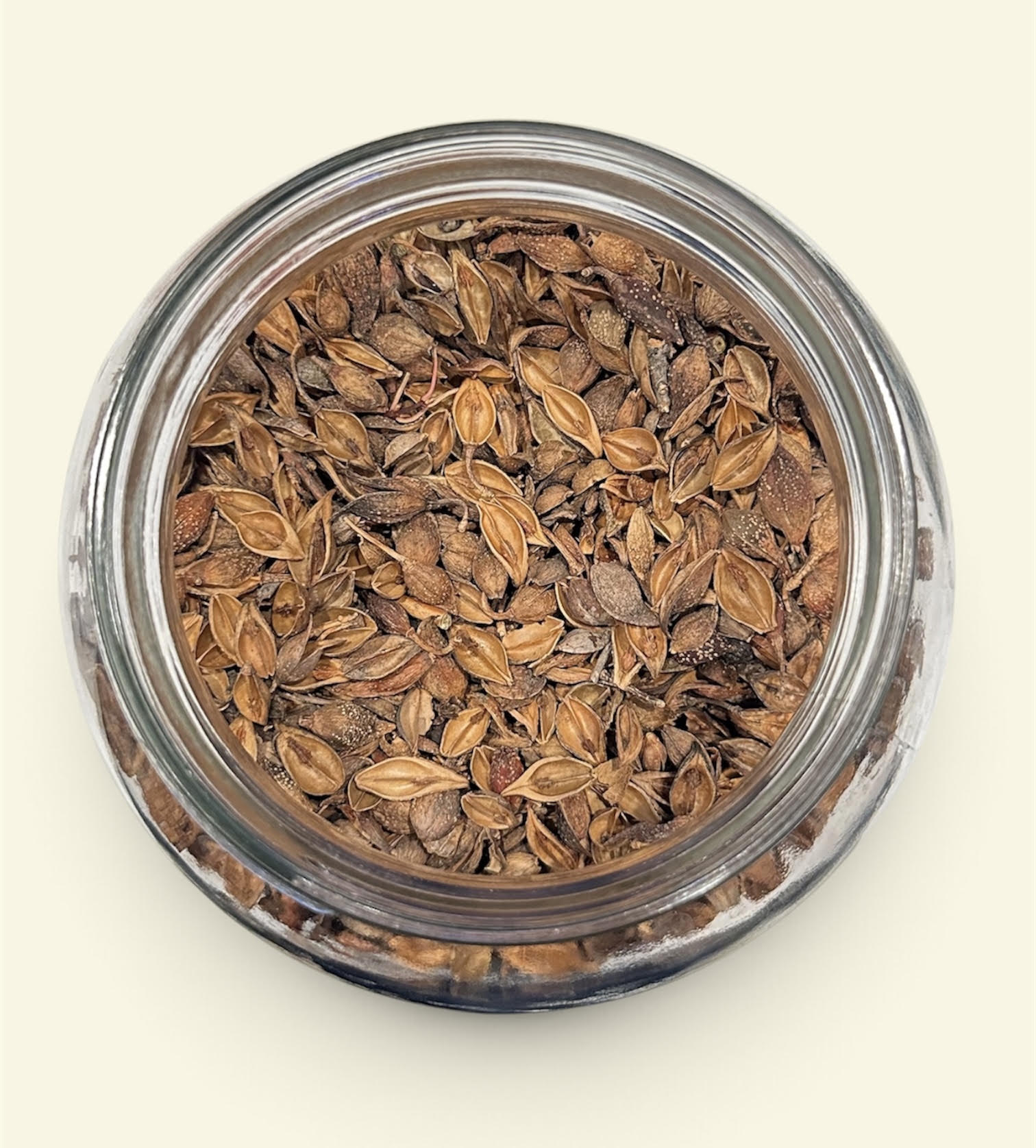
Lian Qiao (连翘), also known as Forsythia Fruit or Forsythiae Fructus, is a traditional Chinese herbal medicine prepared from the dried fruit of Forsythia suspensa (Thunb.) Vahl., a flowering shrub in the Oleaceae family. The plant is commonly known as Forsythia, Yellow Forsythia, and Golden Bells because of its distinctive yellow flowers. In Persian, the plant is commonly known as یاس زرد (Yās-e Zard). Other names for the medicinal fruit include Lian Qiao, Forsythia Fruit, Forsythia Fructus, Chinese Forsythia Fruit, and Weeping Forsythia Fruit.
In Traditional Chinese Medicine (TCM), Lian Qiao is traditionally valued for clearing Heat, removing toxins according to TCM principles, dispersing Wind-Heat, and reducing swelling associated with traditional Heat-toxin patterns. It is commonly included in traditional herbal formulas for symptoms associated with Wind-Heat, particularly those involving the Lung and upper respiratory system.
Lian Qiao is traditionally associated primarily with the Lung, Heart, and Small Intestine meridians. Its traditional functions include clearing Heat, relieving toxicity, dispersing nodules, and reducing swelling. It is often used in multi-herb formulas selected according to the individual’s symptoms, constitution, and traditional TCM pattern differentiation.
Traditionally, Lian Qiao is used in formulas for sore throat, fever, and other symptoms associated with traditional Wind-Heat patterns. It is also included in formulas for certain skin eruptions, swellings, and abscess-related presentations associated with Heat-toxin patterns. These traditional uses should not be interpreted as proof that the herb treats infections or other medical conditions.
The fruit contains naturally occurring phytochemicals, including phenylethanoid glycosides, lignans, flavonoids, and other compounds. Forsythiaside and phillyrin are among the constituents investigated in modern scientific research. Laboratory and preclinical studies have explored potential antioxidant, anti-inflammatory, antibacterial, and antiviral activities, although further clinical research is needed to establish their relevance to human health.
This product is a 50 g bulk-herb preparation intended for use according to the supplier’s instructions or the guidance of a qualified Traditional Chinese Medicine practitioner. It should not be confused with concentrated Forsythia extracts or finished herbal formulas containing multiple ingredients.
Benefits:
- Traditionally used to clear Heat according to Traditional Chinese Medicine principles
- Traditionally used to remove toxins according to TCM principles
- Traditionally used to disperse Wind-Heat patterns
- Traditionally used in formulas for sore throat associated with traditional Wind-Heat patterns
- Traditionally used to support upper respiratory comfort
- Traditionally used in formulas for fever associated with traditional Heat patterns
- Traditionally used to reduce swelling associated with traditional Heat-toxin patterns
- Traditionally used to disperse nodules according to TCM principles
- Traditionally used in formulas addressing certain traditional skin Heat patterns
- Traditionally used in traditional formulas for abscess-related presentations
- Traditionally associated with the Lung, Heart, and Small Intestine meridians
- Contains naturally occurring phenylethanoid glycosides, including forsythiaside
- Provides naturally occurring lignans, including phillyrin
- Contains naturally occurring flavonoids and other plant phytochemicals
- Provides plant compounds investigated for potential antioxidant activity
- Provides plant compounds investigated for potential anti-inflammatory activity
- Has been investigated for potential antibacterial and antiviral activities in laboratory and preclinical research
- Traditionally used as an ingredient in classical Chinese herbal formulas
- Supports the practice of traditional herbal wellness according to TCM principles
Note: Traditional uses and preliminary research findings do not establish that Lian Qiao treats or prevents infections, respiratory illnesses, or other medical conditions.
Other Names:
Lian Qiao, Lian Qiao (连翘), Forsythia Fruit, Forsythiae Fructus, Forsythia suspensa Fruit, Chinese Forsythia Fruit, Weeping Forsythia Fruit, Golden Bells Fruit, Qing Qiao (青翘), Lao Qiao (老翘), Forsythia suspensa (Thunb.) Vahl., and Forsythia Dried Fruit.
Qing Qiao generally refers to fruit harvested while still green and beginning to ripen, whereas Lao Qiao refers to fully ripe fruit.
Persian names: یاس زرد (Yās-e Zard), فورسیتیا (Forsythia), میوه فورسیتیا (Miveh-ye Forsythia, Forsythia Fruit), and لیان چیائو (Lian Qiao, transliteration of 连翘).
Indian names: फोर्सिथिया फल (Forsythia Phal, Forsythia Fruit), लियान क़ियाओ (Lian Qiao), and फोर्सिथिया (Forsythia). These are descriptive Hindi renderings or transliterations rather than verified traditional Indian medicinal plant names. Lian Qiao is primarily recognized as a Chinese materia medica herb, and established regional Indian names should be confirmed before being listed as authoritative common names.
Traditional Uses:
In Traditional Chinese Medicine, Lian Qiao is traditionally used to clear Heat and remove toxins according to TCM principles. It is commonly included in herbal formulas for patterns associated with Wind-Heat, particularly those involving the Lung and upper respiratory system.
Lian Qiao is traditionally used in formulas for sore throat, fever, and other symptoms associated with traditional Wind-Heat patterns. It is often combined with herbs such as Jin Yin Hua (金银花, Honeysuckle Flower) in classical formulas, including Yin Qiao San, according to traditional pattern differentiation.
Lian Qiao is also traditionally used to reduce swelling and disperse nodules associated with Heat-toxin patterns. In traditional practice, it may be included in formulas for certain red, swollen, or painful skin presentations and abscess-related patterns. These uses do not establish that the herb can treat bacterial infections, abscesses, or other medical conditions.
Within TCM, Lian Qiao is characterized as bitter in flavor and slightly cold in nature. It is traditionally associated with the Lung, Heart, and Small Intestine meridians. Practitioners select it according to the individual’s pattern, symptoms, constitution, and the combination of herbs in a formula.
Traditional Chinese herbal practice also uses Lian Qiao in multi-herb preparations intended to address Heat-related patterns. Its use should be guided by a qualified practitioner, particularly when symptoms are severe, persistent, or accompanied by a high fever.
Side Effects:
Clinical safety data for isolated Lian Qiao fruit are limited. Although published reviews have discussed its traditional use and pharmacological properties, limited safety data do not establish that the herb is completely safe.
Possible adverse reactions may include gastrointestinal discomfort or allergic reactions in sensitive individuals. The frequency and severity of adverse effects from the dried fruit have not been adequately established in human clinical studies.
Traditional Chinese Medicine describes Lian Qiao as a slightly cold herb. According to traditional pattern differentiation, it may be unsuitable for some individuals with Spleen and Stomach deficiency-Cold patterns, particularly when loose stools or digestive weakness are present.
Pregnant individuals should avoid self-prescribing Lian Qiao because adequate safety data are lacking. Safety during breastfeeding has also not been adequately established.
Discontinue use and consult a healthcare practitioner if unwanted symptoms develop. Seek prompt medical attention for severe allergic reactions, breathing difficulties, high or persistent fever, or rapidly worsening swelling or suspected infection.
Precautions:
Consult a qualified healthcare practitioner or Traditional Chinese Medicine practitioner before using Lian Qiao medicinally, especially if you have an existing medical condition or take prescription medications.
Do not use during pregnancy unless specifically directed by a qualified healthcare practitioner with appropriate knowledge of herbal medicine. Consult a healthcare practitioner before use while breastfeeding because adequate safety data are lacking.
Use caution if you have persistent diarrhea, digestive weakness, or symptoms traditionally associated with Spleen and Stomach deficiency-Cold. A qualified TCM practitioner can determine whether this herb is appropriate for your individual pattern.
Do not use Lian Qiao as a substitute for prescribed medications, antibiotics when indicated, or appropriate medical evaluation of suspected infections.
Seek medical attention if you experience a high fever, severe sore throat, rapidly spreading redness, significant swelling, difficulty swallowing, breathing difficulties, or symptoms that persist or worsen.
Ensure that the product is correctly identified as the dried fruit of Forsythia suspensa. Other parts of the plant and products made from concentrated extracts may differ in chemical composition and safety.
Keep out of reach of children and follow the supplier’s instructions for storage and preparation.
Interactions:
Clinical studies specifically evaluating interactions between whole dried Lian Qiao fruit and prescription medications are limited. Some laboratory and preclinical findings suggest possible interactions involving its constituents, but their clinical significance in humans remains uncertain.
Anticoagulants and antiplatelet medications: Some laboratory research has investigated the effects of Forsythia constituents on platelet-related processes. Clinically significant interactions with whole dried fruit have not been established. Consult a healthcare practitioner before combining it with medications that affect blood clotting.
Medications metabolized by liver enzymes: Certain Forsythia constituents have been investigated for potential effects on drug-metabolizing enzymes. Whether ordinary use of the dried fruit meaningfully changes medication concentrations in humans is not established.
Immunosuppressive medications: Preliminary research into the biological activities of Forsythia constituents does not establish a clinically meaningful interaction with immunosuppressants. Professional guidance is advisable before combining medicinal herbs with these medications.
Other herbal products: Lian Qiao is commonly combined with other herbs in traditional Chinese formulas. However, interactions may depend on the other ingredients, preparation, dose, and individual health circumstances.
Individuals taking prescription medications, particularly those with a narrow therapeutic range, should consult a qualified healthcare practitioner before using Lian Qiao regularly or combining it with concentrated herbal extracts.
Dosing:
Use according to the product label or as directed by a qualified healthcare practitioner or Traditional Chinese Medicine practitioner.
Traditional Chinese Medicine references commonly describe an approximate range of 6–15 g of dried Lian Qiao fruit when used in a traditional decoction. This range is a traditional reference rather than a clinically established dose for every preparation or individual.
The appropriate amount depends on the botanical material, preparation method, traditional pattern, other ingredients in the formula, and individual circumstances. There is insufficient high-quality human clinical evidence to establish a universally appropriate therapeutic dose.
For a 50 g bulk-herb product, the package quantity should not be interpreted as a recommended daily dose.
Do not use concentrated extracts or multi-herb formulas according to the dosing instructions for dried whole fruit. Consult a qualified practitioner for individualized guidance.
Storage:
Store in a cool, dry place away from direct sunlight, excessive heat, and humidity. Keep tightly sealed in its original packaging or in a clean, airtight container.
Protect the dried fruit from moisture, insects, dust, and contamination. Use clean, dry utensils when handling the herb.
Discard the product if there are signs of mold, unusual odor, insect infestation, or other evidence of spoilage.
Keep out of reach of children and pets.
Preparation:
Lian Qiao is traditionally prepared as a decoction in Traditional Chinese Medicine.
- Measure the amount recommended by your qualified TCM practitioner or specified in the product instructions.
- Place the dried fruit in a suitable pot with water.
- Simmer according to the practitioner’s or formula’s instructions.
- Strain the liquid before use when appropriate.
Traditional preparation methods may differ according to the formula, the condition of the fruit, and whether the material is Qing Qiao or Lao Qiao.
Lian Qiao is commonly combined with other herbs in traditional formulas, including preparations intended for Wind-Heat and Heat-toxin patterns. These combinations should be selected by a qualified practitioner rather than assembled solely on the basis of a symptom.
Do not confuse Lian Qiao with Forsythia flowers, leaves, or concentrated extracts. The traditional medicinal ingredient described here is the dried fruit of Forsythia suspensa.
Scientific Support:
Lian Qiao, or Forsythiae Fructus, is derived from the dried fruit of Forsythia suspensa (Thunb.) Vahl., a member of the Oleaceae family. It is an established ingredient in Traditional Chinese Medicine and has also been used in traditional herbal practices in other East Asian countries.
Phytochemical studies have identified numerous naturally occurring compounds in Forsythia fruit, including phenylethanoid glycosides, lignans, flavonoids, terpenoids, and organic acids. Forsythiaside, phillyrin, rutin, and phillygenin are among the constituents investigated in scientific research.
Modern research has examined Forsythia fruit and its constituents for potential antioxidant, anti-inflammatory, antibacterial, antiviral, and other biological activities. A systematic review published in 2024 summarized research into the fruit’s phytochemistry, pharmacology, pharmacokinetics, quality control, and toxicity. The review identified numerous compounds and discussed potential biological activities, while highlighting limitations in the bioavailability of certain constituents and the need for further research.
Although laboratory and preclinical studies have reported promising biological activities, these findings do not establish that whole dried Lian Qiao is effective for treating infections, influenza, inflammation, or other medical conditions in humans. Evidence from isolated compounds, concentrated extracts, or multi-herb formulas cannot automatically be applied to a 50 g bulk-herb product.
Additional high-quality clinical research is needed to establish the effectiveness, appropriate dosing, safety, and potential interactions of Lian Qiao when used as a single herb.
References & Scientific Support:
PubMed – Phytochemistry, pharmacology, quality control and future research of Forsythia suspensa (Thunb.) Vahl: A review. This review examines the traditional uses, phytochemical composition, pharmacological activities, and quality control of Forsythia fruit. It discusses naturally occurring compounds, including forsythiaside, phillyrin, rutin, and phillygenin, and summarizes preliminary research into potential anti-inflammatory, antioxidant, antibacterial, and antiviral activities. The authors also highlight the need for additional clinical studies and improved quality control methods. View Research.
PubMed – The phytochemistry, pharmacology, pharmacokinetics, quality control, and toxicity of Forsythiae Fructus: An updated systematic review. This updated systematic review summarizes research on the chemical constituents, pharmacological activities, absorption and metabolism, quality control, and safety of Forsythia fruit. It highlights research into potential antiviral, anti-inflammatory, antioxidant, and antibacterial activities while identifying limitations in bioavailability and the need for further investigation of safety and clinical applications. View Research.
Health Canada – Natural Health Products Ingredients Database: Forsythia suspensa. This Health Canada reference identifies Forsythia suspensa as an approved herbal ingredient name and lists Lian Qiao and Weeping Forsythia among its common names. It provides Canadian regulatory information about the plant as a natural health product ingredient. This ingredient listing does not establish that this particular 50 g bulk-herb product is licensed or approved to treat medical conditions. View Health Canada Reference.