Description:
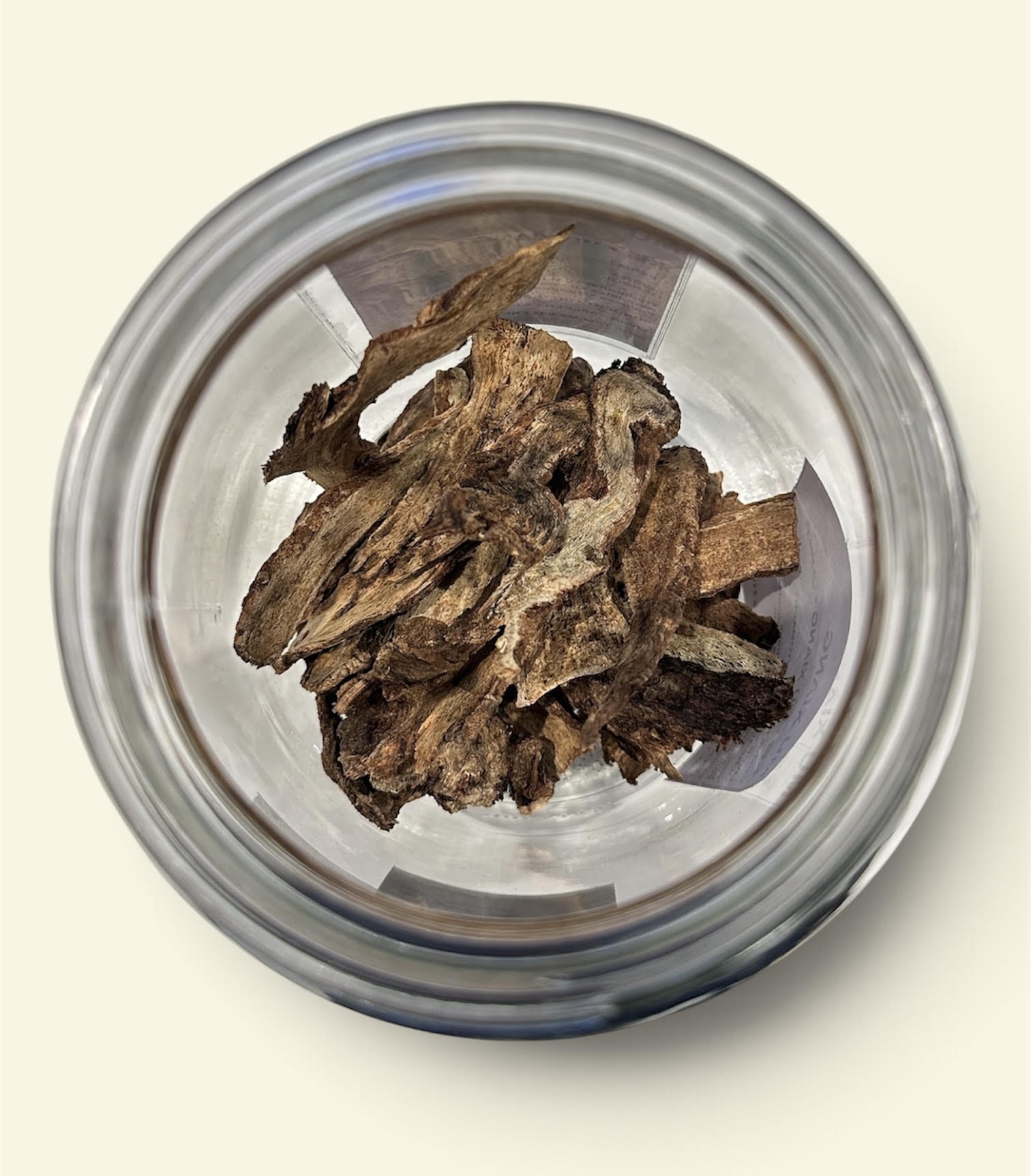
Mu Xiang (木香) (Aucklandia lappa Decne., synonymous with Saussurea costus (Falc.) Lipsch.) is a traditional Chinese herbal medicine prepared from the dried root of a plant in the Asteraceae family. It is commonly known as Mu Xiang, Costus Root, Aucklandia Root, Saussurea Costus Root, Chinese Costus Root, Aucklandiae Radix, Radix Aucklandiae, and Mu Xiang Root. In Traditional Chinese Medicine (TCM), Mu Xiang is traditionally valued for promoting the movement of Qi, supporting digestive function, relieving abdominal discomfort, and addressing patterns associated with Qi stagnation in the digestive system.
Mu Xiang is traditionally considered an important herb for patterns involving Spleen and Stomach Qi stagnation, abdominal distension, belching, reduced appetite, nausea, and changes in bowel function. It is traditionally associated primarily with the Spleen, Stomach, Large Intestine, and Gallbladder meridians. It is commonly included in traditional herbal formulas intended to promote the smooth movement of Qi, support comfortable digestion, and relieve abdominal fullness and discomfort according to traditional TCM principles.
Mu Xiang is traditionally used to regulate the movement of Qi and relieve discomfort associated with Qi stagnation. In TCM, it may be selected in traditional formulas for abdominal distension, a feeling of fullness, belching, and discomfort associated with impaired movement of Qi through the digestive system.
Mu Xiang is also traditionally used to support digestive function. It may be included in traditional formulas for reduced appetite, nausea, abdominal fullness, and other digestive symptoms associated with traditional Spleen and Stomach disharmony.
Mu Xiang is traditionally used to relieve abdominal pain associated with Qi stagnation. It is often combined with other Chinese herbs selected according to the individual’s traditional pattern, constitution, and symptoms.
Mu Xiang has also attracted scientific interest because it contains naturally occurring sesquiterpene lactones, including costunolide and dehydrocostus lactone. Modern studies have investigated these compounds and extracts of the plant for various biological activities. However, laboratory findings should not be interpreted as proof that dried Mu Xiang root can prevent or treat specific medical conditions in humans.
Benefits:
- Traditionally used to promote the movement of Qi according to Traditional Chinese Medicine principles
- Traditionally used to support comfortable digestion
- Traditionally used to regulate Qi in the Spleen and Stomach
- Traditionally used to relieve occasional abdominal distension and fullness
- Traditionally used to support normal digestive function
- Traditionally used to relieve abdominal discomfort associated with Qi stagnation
- Traditionally used to support appetite according to traditional TCM principles
- Traditionally used to address belching associated with digestive disharmony
- Traditionally used to support comfortable bowel function
- Traditionally used in traditional formulas for nausea and digestive discomfort
- Traditionally used to address patterns involving Spleen and Stomach Qi stagnation
- Traditionally used to promote the smooth movement of Qi through the digestive system
- Traditionally combined with other Chinese herbs in formulas for digestive support
- Provides naturally occurring sesquiterpene lactones
- Contains naturally occurring costunolide and dehydrocostus lactone
- Provides naturally occurring volatile oils and other phytochemicals
- Contains plant compounds investigated in laboratory studies for potential anti-inflammatory and antimicrobial activities
- Has been investigated in preclinical research for its potential effects on gastrointestinal function
- Traditionally used to support digestive wellness according to TCM principles
Other Names:
Mu Xiang, Mu Xiang (木香), Costus Root, Chinese Costus Root, Aucklandia Root, Aucklandiae Radix, Radix Aucklandiae, Saussurea Costus Root, Aucklandia lappa Decne., Saussurea costus (Falc.) Lipsch., Saussurea lappa C.B.Clarke, and Costus Root of Traditional Chinese Medicine.
Persian names: ریشه کاستوس (Costus Root), ریشه ساوسوریا (Saussurea Root), ریشه آکلاندیا (Aucklandia Root), and مو شیانگ (Mu Xiang).
Indian names: कुष्ठ (Kushta), कुट (Kuth), कोष्ठ (Koshtha), and पषाणभेद (regional name sometimes applied to other plants; not a reliable synonym for Mu Xiang). The names Kushta and Kuth are associated with Saussurea costus in South Asian herbal traditions, although regional naming can vary and should be verified when identifying a specific botanical product.
Traditional Uses:
In Traditional Chinese Medicine, Mu Xiang is traditionally used to regulate Qi and support digestive function, particularly in patterns involving Qi stagnation affecting the Spleen and Stomach. It may be included in traditional formulas for abdominal fullness, distension, reduced appetite, belching, and digestive discomfort.
Mu Xiang is traditionally used to promote the smooth movement of Qi and relieve discomfort associated with digestive stagnation. It is commonly combined with other TCM herbs selected to address the individual’s traditional pattern and specific symptoms.
Mu Xiang is traditionally used to support comfortable digestion. It may be included in traditional formulas for nausea, a sensation of fullness after eating, and other digestive symptoms associated with traditional Spleen and Stomach disharmony.
Mu Xiang is also traditionally used to relieve abdominal pain associated with Qi stagnation. Depending on the traditional diagnosis, it may be combined with herbs that support Qi movement, regulate digestion, or address accompanying patterns of dampness or food stagnation.
In traditional Chinese herbal practice, Mu Xiang is often included in multi-herb formulas rather than selected in isolation. Its use, combination with other herbs, and preparation depend on the individual’s TCM pattern, constitution, and clinical circumstances.
Traditional uses are based on established herbal practice and should not be interpreted as proof of effectiveness for specific medical conditions.
Side Effects:
Mu Xiang may cause unwanted effects in some individuals. The safety profile of the whole dried root is not as well established through human clinical research as that of many commonly studied medicines.
Possible adverse effects may include gastrointestinal discomfort, nausea, abdominal irritation, or allergic reactions. The likelihood of adverse effects may depend on the botanical identity, preparation, amount used, duration of use, and individual sensitivity.
Mu Xiang contains naturally occurring sesquiterpene lactones, including costunolide and dehydrocostus lactone. These compounds have been investigated for various biological activities, but their presence does not establish the safety of concentrated extracts or high-dose preparations.
Discontinue use and consult a healthcare practitioner if an allergic reaction, persistent digestive discomfort, or other unwanted symptoms occur.
Seek urgent medical attention if you experience difficulty breathing or swelling of the face, lips, tongue, or throat.
Precautions:
Consult a qualified healthcare practitioner or Traditional Chinese Medicine practitioner before using Mu Xiang for medicinal purposes, particularly if you have an existing medical condition or are taking prescription medications.
Do not use during pregnancy or breastfeeding unless specifically advised by a qualified healthcare practitioner. Adequate safety information for medicinal use during these periods is lacking.
Individuals with sensitive digestion, a history of allergic reactions to plants in the Asteraceae family, or a history of reactions to herbal preparations should exercise caution.
Consult a healthcare practitioner before use if you have a gastrointestinal disorder, chronic abdominal pain, or persistent changes in bowel habits. Such symptoms may require medical assessment rather than self-treatment with herbs.
Do not use Mu Xiang as a substitute for prescribed medication or appropriate medical care.
Use only products with reliable botanical identification. Mu Xiang can be confused with other Chinese medicinal roots that share similar names, including Chuan Mu Xiang and Tu Mu Xiang. These herbs are not necessarily interchangeable.
Discontinue use and seek professional advice if symptoms persist or worsen or if new symptoms develop.
Interactions:
Consult a healthcare practitioner before combining Mu Xiang with prescription medications, over-the-counter medicines, or other natural health products.
Prescription medications: Comprehensive human data on interactions between Mu Xiang and commonly prescribed medications are limited. A healthcare practitioner should assess potential interactions based on the specific medicine and herbal preparation.
Other herbal products: Combining Mu Xiang with other herbs may change the overall effects and safety of a formula. Traditional combinations should be selected by a qualified practitioner.
Anticoagulants and antiplatelet medications: The clinical significance of potential interactions with Mu Xiang has not been adequately established. Individuals taking blood-thinning medications should seek professional advice before medicinal use.
Diabetes medications: Reliable clinical evidence regarding interactions with glucose-lowering medications is insufficient. Individuals taking these medications should consult a healthcare practitioner before use.
Other digestive remedies: Combining Mu Xiang with other products intended to affect gastrointestinal function may alter digestive symptoms or increase the likelihood of unwanted effects.
Do not assume that a traditional herb is free of interactions because it is plant-derived. The appropriate precautions depend on the preparation, amount used, other ingredients, and individual health circumstances.
Dosing:
Use according to the product label or as directed by a qualified healthcare practitioner or Traditional Chinese Medicine practitioner.
Traditional Chinese Medicine references commonly describe Mu Xiang as a dried root used in decoctions and multi-herb formulas, with traditional amounts often cited at approximately 3–6 g per day. The appropriate amount varies with the specific botanical material, preparation, formula, individual constitution, and intended traditional use.
This traditional range is not a clinically established dose for treating a medical condition and should not be interpreted as a recommendation for unsupervised use.
For a 50 g bulk-herb product, the package quantity should not be interpreted as a recommended daily dose. Do not consume the entire package at once or use concentrated preparations without appropriate professional guidance.
Storage:
Store in a cool, dry place away from direct sunlight, excessive heat, and humidity. Keep the package tightly closed and out of reach of children.
Protect the dried root from moisture, insects, contamination, and strong odors. Store in a clean, airtight container when appropriate.
Discard the product if there are signs of mold, unusual odor, moisture damage, insect contamination, or spoilage.
Preparation:
If using dried Mu Xiang, prepare according to the product instructions or the directions provided by a qualified Traditional Chinese Medicine practitioner.
Traditionally, Mu Xiang is prepared as a decoction by boiling or simmering the dried root with water alongside other herbs in a prescribed formula. Some traditional preparations add Mu Xiang near the end of the decoction process to preserve its aromatic constituents, depending on the formula and practitioner instructions.
Mu Xiang is frequently combined with other herbs to support the traditional movement of Qi and digestive function. The choice of ingredients and preparation method depends on the individual’s traditional TCM pattern.
Use only botanically authenticated material intended for the preparation method being followed. Do not assume that a product sold as Costus Root is suitable for every traditional or culinary application.
Scientific Support:
Mu Xiang is primarily derived from Aucklandia lappa Decne., a botanical name commonly used synonymously with Saussurea costus (Falc.) Lipsch. The dried root, known as Aucklandiae Radix or Mu Xiang in Traditional Chinese Medicine, has a long history of use in traditional Chinese herbal practice.
Mu Xiang contains various naturally occurring phytochemicals, including sesquiterpene lactones, volatile oils, and other plant compounds. Costunolide and dehydrocostus lactone are among its characteristic constituents and have received considerable attention in pharmacological research.
Modern scientific studies have investigated Mu Xiang and related botanical materials for potential effects on gastrointestinal function, inflammation, microbial activity, and other biological processes. Some laboratory and animal studies have reported promising findings, but these results do not establish that dried Mu Xiang root is effective for treating specific medical conditions in humans.
A 2025 review of Aucklandia lappa examines its botanical characteristics, traditional uses, phytochemistry, pharmacological activities, cultivation, and processing. The review identifies costunolide and dehydrocostus lactone as important constituents while highlighting the need for further investigation of safety, mechanisms of action, and clinical applications.
A 2021 review comparing Aucklandiae Radix with two other Chinese medicinal roots sharing similar names examines their chemical constituents and reported pharmacological activities. It discusses potential anti-inflammatory and antimicrobial properties, as well as findings from preclinical studies involving gastrointestinal effects. The authors emphasize the importance of correctly identifying these botanicals because their chemical compositions and properties differ.
Although these studies provide a scientific basis for continued investigation, evidence from laboratory experiments, animal studies, or concentrated extracts cannot automatically be applied to a 50 g package of whole dried Mu Xiang root. Additional well-designed human clinical trials are needed to establish its efficacy, appropriate dosing, long-term safety, and potential interactions with medications.
References & Scientific Support:
PubMed – Aucklandia lappa Decne.: a review of its botany, cultivation, ethnopharmacology, phytochemistry, pharmacology, and practical applications. This review examines the botanical characteristics, traditional medicinal uses, chemical constituents, pharmacological activities, and processing of Aucklandia lappa. It highlights costunolide and dehydrocostus lactone as important constituents and discusses the need for further research into its safety and potential clinical applications. View Research.
PubMed – A comprehensive chemical and pharmacological review of three confusable Chinese herbal medicine-Aucklandiae radix, Vladimiriae radix, and Inulae radix. This review compares the chemical composition and reported pharmacological activities of three Chinese medicinal roots that can be confused because of their similar traditional names. It discusses reported anti-inflammatory and antimicrobial activities, potential gastrointestinal effects, and the importance of correct botanical identification. View Research.
Health Canada – Licensed Natural Health Products Database. This Health Canada database provides regulatory information about licensed natural health products. Its records include products containing Saussurea costus, including information on medicinal ingredients, licensed product formulations, and applicable risk information. These records provide a Canadian regulatory reference for products containing the botanical ingredient but do not constitute approval of this specific 50 g bulk-root product. View Health Canada Reference.