Description:
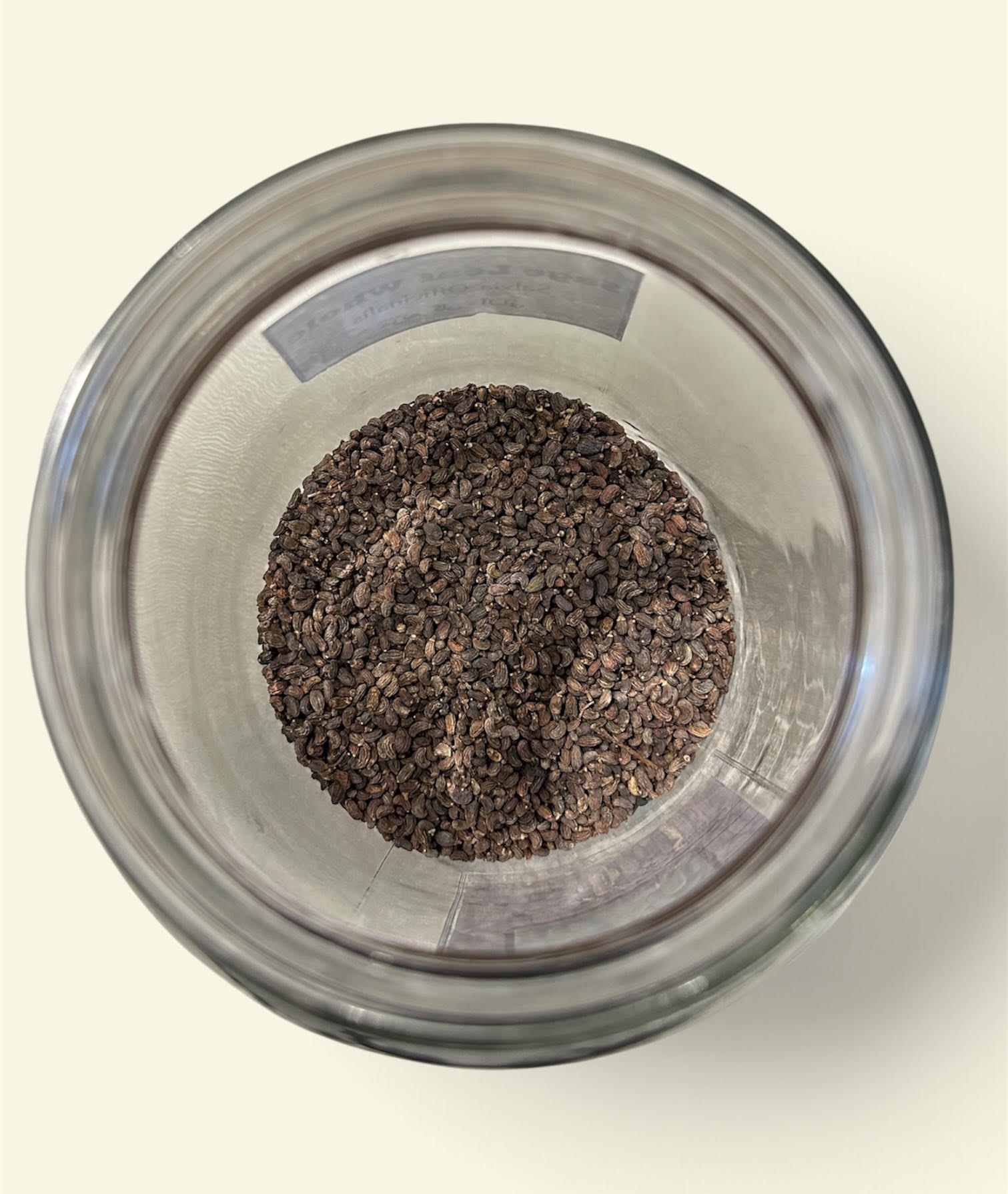
Nu Zhen Zi (女贞子) (Ligustrum lucidum W.T. Aiton) is a traditional Chinese herbal medicine prepared from the dried, mature fruit of the glossy privet tree, a member of the Oleaceae family. It is commonly known as Nu Zhen Zi, Glossy Privet Fruit, Chinese Privet Fruit, Ligustrum Fruit, Fructus Ligustri Lucidi, Ligustri Lucidi Fructus, and Glossy Privet Berry. In Traditional Chinese Medicine (TCM), Nu Zhen Zi is traditionally valued for nourishing Liver and Kidney Yin, supporting the health of the eyes, and addressing traditional patterns associated with premature greying of the hair, dizziness, tinnitus, and soreness or weakness of the lower back and knees.
Nu Zhen Zi is traditionally considered an important herb for patterns involving Liver and Kidney Yin deficiency. It is commonly associated with symptoms such as dizziness, ringing in the ears, blurred vision, premature greying of the hair, soreness or weakness of the lower back and knees, and sensations of internal Heat associated with Yin deficiency. In TCM, it is traditionally associated primarily with the Liver and Kidney meridians.
Nu Zhen Zi is traditionally used to nourish Liver and Kidney Yin. It may be selected in traditional formulas for symptoms associated with Yin deficiency, including dizziness, tinnitus, and soreness or weakness of the lower back and knees.
Nu Zhen Zi is also traditionally used to support eye health according to TCM principles. It may be included in traditional formulas for blurred vision, dry eyes, and other symptoms associated with traditional Liver and Kidney Yin deficiency patterns.
Another traditional application of Nu Zhen Zi is to address premature greying of the hair associated with traditional Liver and Kidney deficiency patterns. It is sometimes combined with other herbs in formulas intended to nourish the Liver and Kidneys and support the hair according to traditional Chinese medicine.
Nu Zhen Zi is also traditionally used to nourish Yin and clear deficiency Heat. It may be included in traditional formulas for symptoms such as a sensation of heat in the evening, dryness, or thirst associated with traditional Yin deficiency patterns.
Modern scientific research has investigated Ligustrum lucidum fruit for its naturally occurring iridoid glycosides, flavonoids, triterpenoids, phenylethanoid glycosides, and other phytochemicals. Research has explored potential antioxidant, anti-inflammatory, liver-related, bone-related, and other biological activities. However, these findings do not establish that whole dried Nu Zhen Zi fruit is effective for treating specific medical conditions in humans.
Benefits:
- Traditionally used to nourish Liver Yin according to Traditional Chinese Medicine principles
- Traditionally used to nourish Kidney Yin
- Traditionally used to support Liver and Kidney function according to TCM principles
- Traditionally used to support eye healthTraditionally used for symptoms associated with blurred vision in traditional TCM patterns
- Traditionally used to address dizziness associated with traditional Liver and Kidney Yin deficiency
- Traditionally used to address tinnitus associated with traditional Yin deficiency patterns
- Traditionally used to support the lower back and knees according to traditional TCM principles
- Traditionally used to address soreness and weakness of the lower back and knees
- Traditionally used to address premature greying of the hair associated with traditional Liver and Kidney deficiency patterns
- Traditionally used to nourish Yin and clear deficiency Heat
- Traditionally used to support moisture and balance according to traditional Yin-nourishing principles
- Traditionally used in classical Chinese herbal formulas
- Provides naturally occurring iridoid glycosides
- Provides naturally occurring flavonoids and phenylethanoid glycosides
- Contains naturally occurring triterpenoids and other plant compounds
- Contains phytochemicals investigated for potential antioxidant activity
- Has been investigated in preclinical research for potential liver-protective properties
- Has been investigated for potential effects on bone health and bone metabolism
- Traditionally used to support general wellness according to TCM principles
These benefits describe traditional uses and areas of scientific investigation. They do not establish that Nu Zhen Zi can prevent, diagnose, or treat specific medical conditions.
Other Names:
Nu Zhen Zi, Nu Zhen Zi (女贞子), Glossy Privet Fruit, Chinese Privet Fruit, Ligustrum Fruit, Fructus Ligustri Lucidi, Ligustri Lucidi Fructus, Ligustrum lucidum W.T. Aiton, Glossy Privet Berry, and Chinese Glossy Privet Fruit.
Persian names: میوه لیگستروم (Ligustrum Fruit), میوه برگنو (Privet Fruit), میوه نوژنزی (Nu Zhen Zi), and میوه پرایوت چینی (Chinese Privet Fruit). These are descriptive or transliterated names rather than verified traditional Persian medicinal names.
Indian names: जंगली मेहंदी (Jangli Mehndi, a regional common name that may refer to other plants), चमेली जैसा प्रिवेट (Privet, descriptive name), and लिगस्ट्रम फल (Ligustrum Fruit). These names should be treated as descriptive rather than definitive Ayurvedic synonyms for Nu Zhen Zi. The botanical identity should be verified as Ligustrum lucidum because vernacular names vary across regions.
Traditional Uses:
In Traditional Chinese Medicine, Nu Zhen Zi is traditionally used to nourish Liver and Kidney Yin. It may be included in traditional formulas for dizziness, tinnitus, blurred vision, soreness or weakness of the lower back and knees, and other symptoms associated with traditional Liver and Kidney Yin deficiency patterns.
Nu Zhen Zi is traditionally used to support eye health according to TCM principles. It may be combined with other herbs in traditional formulas for blurred vision, dry eyes, and visual discomfort associated with traditional Liver Yin deficiency patterns.
Nu Zhen Zi is traditionally used to address premature greying of the hair associated with traditional Liver and Kidney deficiency. It is sometimes combined with other herbs traditionally selected to nourish the Liver and Kidneys and support hair health.
Nu Zhen Zi is also traditionally used to nourish Yin and clear deficiency Heat. In traditional practice, it may be selected for symptoms such as dryness, thirst, and sensations of heat associated with Yin deficiency.
Nu Zhen Zi is often combined with other Chinese medicinal herbs according to the individual’s traditional pattern, constitution, and symptoms. It is not traditionally considered a universal remedy for all forms of dizziness, vision changes, hair loss, or back and knee discomfort.
These traditional applications reflect TCM theory and historical herbal practice. They should not be interpreted as established clinical evidence that Nu Zhen Zi treats these symptoms or underlying medical conditions.
Side Effects:
The safety profile of Nu Zhen Zi in humans is not fully established, particularly for long-term use, concentrated extracts, and high doses.
Possible unwanted effects may include gastrointestinal discomfort, nausea, abdominal discomfort, or changes in bowel habits. Individual reactions may vary depending on the preparation, amount used, duration of use, and personal sensitivity.
Allergic reactions are possible in sensitive individuals. Glossy privet pollen has been associated with respiratory allergies in some regions, although pollen allergy does not necessarily predict an allergy to the dried fruit.
Research on Ligustrum lucidum has investigated a wide range of biological activities, but this does not mean that all extracts, doses, or preparations have been demonstrated to be safe for human consumption.
Discontinue use and consult a healthcare practitioner if unwanted or persistent symptoms occur.
Seek urgent medical attention if you experience difficulty breathing or swelling of the face, lips, tongue, or throat after using the product.
Precautions:
Consult a qualified healthcare practitioner or Traditional Chinese Medicine practitioner before using Nu Zhen Zi medicinally, especially if you have an existing medical condition or are taking prescription medications.
Do not use during pregnancy or breastfeeding unless specifically advised by a qualified healthcare practitioner. Reliable safety information for medicinal doses during these periods is limited.
Individuals with chronic liver or kidney disease should consult a healthcare practitioner before use. Traditional use of an herb to nourish the Liver or Kidneys does not establish that it is safe or effective for treating liver or kidney disease.
Consult a healthcare practitioner before use if you have diabetes or take medication that affects blood glucose, because the clinical significance of potential effects on glucose metabolism has not been established for all preparations.
Seek medical assessment for persistent dizziness, tinnitus, vision changes, unusual thirst, premature hair changes, or ongoing lower back and knee pain rather than relying on an herbal product alone.
Use only products with reliable botanical identification. Nu Zhen Zi refers specifically to the dried mature fruit of Ligustrum lucidum and should not be confused with fruits or leaves from other privet species.
Do not use Nu Zhen Zi as a substitute for prescribed medication or appropriate medical care.
Discontinue use and consult a healthcare practitioner if symptoms persist or worsen or if new symptoms develop.
Interactions:
Consult a healthcare practitioner before combining Nu Zhen Zi with prescription medications, over-the-counter medicines, or other natural health products.
Diabetes medications: Laboratory and preclinical studies have investigated potential effects of Ligustrum lucidum constituents on glucose metabolism. The clinical significance of these findings for whole dried fruit is uncertain. Individuals taking glucose-lowering medications should seek professional guidance before medicinal use.
Liver-metabolized medications: Some compounds derived from Ligustrum lucidum have been investigated for effects on metabolic pathways. Clinically significant interactions with specific medications have not been adequately established, so professional review is appropriate when taking multiple medicines.
Immunosuppressant medications: Research has investigated potential immunomodulatory properties of Ligustrum lucidum. The clinical relevance of these findings is uncertain, but individuals taking immunosuppressants should consult their healthcare practitioner before use.
Other herbal products: Combining Nu Zhen Zi with other herbs may change the overall effects of a traditional formula. Formulas should be selected by a qualified practitioner based on the individual’s traditional pattern and health circumstances.
Other supplements: Individuals taking multiple supplements or concentrated botanical extracts should review their combined use with a healthcare practitioner.
There is insufficient human clinical evidence to establish a comprehensive interaction profile for Nu Zhen Zi. The absence of documented interactions does not guarantee that combining it with medications is risk-free.
Dosing:
Use according to the product label or as directed by a qualified healthcare practitioner or Traditional Chinese Medicine practitioner.
Traditional Chinese Medicine references commonly describe Nu Zhen Zi in an approximate range of 6–12 g of dried fruit when used in a decoction. The appropriate amount depends on the botanical material, preparation method, formula, individual constitution, and clinical circumstances.
This traditional range is not a clinically established dose for treating a medical condition and should not be interpreted as a recommendation for unsupervised use.
For a 50 g bulk-herb product, the package quantity should not be interpreted as a recommended daily dose.
Use only according to appropriate professional guidance, particularly if the herb is intended for regular or prolonged use.
Storage:
Store in a cool, dry place away from direct sunlight, excessive heat, and humidity. Keep the package tightly closed and out of reach of children.
Protect the dried fruit from moisture, insects, dust, and contamination. Store in a clean, airtight container when appropriate.
Discard the product if there are signs of mold, unusual odor, moisture damage, insect contamination, or spoilage.
Preparation:
If using dried Nu Zhen Zi, prepare according to the product instructions or the directions provided by a qualified Traditional Chinese Medicine practitioner.
Traditional decoction: Nu Zhen Zi is traditionally prepared by simmering the dried mature fruit in water, usually as part of a multi-herb formula. The amount of water, simmering time, and other ingredients depend on the prescribed formula.
The dried fruit may be used whole or prepared according to the supplier’s instructions. A practitioner may combine Nu Zhen Zi with other herbs traditionally used to nourish Liver and Kidney Yin, support eye health, or address other relevant TCM patterns.
Use only botanically authenticated material intended for medicinal preparation. Do not assume that a product sold as privet fruit is interchangeable with other privet species or ornamental plant material.
Scientific Support:
Nu Zhen Zi is derived from Ligustrum lucidum W.T. Aiton, an evergreen tree in the Oleaceae family. Its dried mature fruit, known scientifically as Ligustri lucidi fructus, has a long history of use in Traditional Chinese Medicine, particularly in formulas intended to nourish Liver and Kidney Yin.
The fruit contains numerous naturally occurring phytochemicals, including iridoid glycosides, flavonoids, phenylethanoid glycosides, and triterpenoids. Oleanolic acid and other triterpenoids have been investigated as constituents of the plant, while its iridoid glycosides and phenolic compounds have also attracted scientific interest.
Modern research has investigated Ligustrum lucidum fruit for potential antioxidant, anti-inflammatory, liver-related, immune-modulating, metabolic, and bone-related biological activities. These findings are derived from different experimental models, including laboratory studies, animal research, and investigations of isolated compounds. They do not establish that whole dried Nu Zhen Zi fruit is effective for treating specific medical conditions in humans.
A 2023 comprehensive review examines the botanical characteristics, traditional uses, chemical composition, pharmacological research, processing, and toxicity of Nu Zhen Zi. The review identifies several groups of potentially active constituents and highlights the need for further research into its pharmacological properties, quality control, pharmacokinetics, and safety.
A 2018 review of Fructus Ligustri Lucidi and osteoporosis examines its traditional use for symptoms associated with Liver and Kidney deficiency, alongside preclinical research into bone metabolism, phytochemistry, pharmacokinetics, and safety. Although the findings provide a basis for further investigation, they do not establish that Nu Zhen Zi prevents or treats osteoporosis in humans.
A 2024 review of Ligustrum lucidum also examines its chemical composition and potential pharmacological applications, including antioxidant, anti-inflammatory, liver-related, and bone-related research. The authors identify opportunities for further investigation while recognizing that additional research is needed to clarify the safety, clinical effectiveness, and appropriate applications of the plant.
Clinical evidence for Nu Zhen Zi remains limited for many of its traditional applications. Findings from concentrated extracts or isolated compounds should not automatically be applied to a 50 g package of whole dried fruit. Additional high-quality human clinical studies are needed to establish therapeutic effectiveness, appropriate dosing, long-term safety, and potential interactions with medications.
References & Scientific Support:
PubMed – Ligustri Lucidi Fructus, a traditional Chinese Medicine: Comprehensive review of botany, traditional uses, chemical composition, pharmacology, and toxicity. This comprehensive review examines the botanical characteristics, traditional applications, chemical constituents, pharmacological activities, and safety of Nu Zhen Zi. It discusses naturally occurring terpenoids, flavonoids, and other phytochemicals, along with research into potential liver-related, metabolic, antioxidant, and immune-modulating activities. The authors emphasize the need for further research into clinical applications, toxicity, and quality control. View Research.
PubMed – Fructus Ligustri Lucidi in Osteoporosis: A Review of its Pharmacology, Phytochemistry, Pharmacokinetics and Safety. This review examines the traditional use of Nu Zhen Zi in patterns associated with Liver and Kidney deficiency and evaluates preclinical research into its potential effects on bone metabolism. It also reviews the plant’s chemical constituents, pharmacokinetics, and safety considerations, highlighting the need for additional evidence before drawing conclusions about clinical effectiveness. View Research.
Health Canada – Licensed Natural Health Products Database. This official database provides regulatory information about natural health products licensed in Canada, including traditional herbal medicines. It allows users to search for licensed products, medicinal ingredients, recommended uses, and applicable warnings. The database is a Canadian regulatory reference and does not establish that this specific 50 g bulk-herb product is licensed or approved for any therapeutic purpose. View Health Canada Reference.