
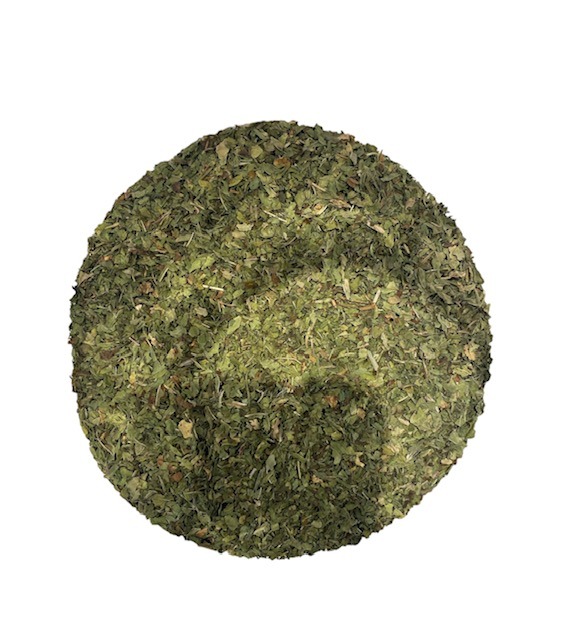
Peppermint Information
Key Ingredients:
- Menthol
- Menthone
- Flavonoids
- Rosmarinic Acid
- Tannins
All Other Names:
- Mentha × piperita
- Mint
- Peppermint Leaf
- Menthe Poivrée (French)
- نعناع فلفلی
Health Benefits:
- Aids in digestion and alleviates bloating and gas
- Relieves headaches and migraines
- Supports respiratory health and clears nasal congestion
- Provides a cooling sensation and pain relief for sore muscles
- Reduces symptoms of irritable bowel syndrome (IBS)
Usage Instructions:
- Tea: Steep 1-2 teaspoons of dried peppermint leaves in hot water for 5-10 minutes. Drink up to three times daily.
- Essential Oil: Dilute with a carrier oil and apply to the skin for pain relief or inhalation for respiratory benefits.
- Capsules: Follow the dosage instructions on the product label for digestive support.
- Topical Use: Apply peppermint-infused balms or lotions to sore muscles or temples for headache relief.
Safety Information:
- Generally safe when used in moderate amounts.
- Essential oil should be used with caution and always diluted, as it can cause skin irritation.
- Not recommended for infants or young children due to the risk of respiratory distress.
- Pregnant or breastfeeding women should consult a healthcare provider before use.
Scientific Support:
- Studies support its efficacy in relieving IBS symptoms and digestive discomfort.
- Research indicates menthol’s role in pain relief and anti-inflammatory effects.
- Demonstrated benefits for respiratory health and headache relief in clinical trials.
Origin:
- Native to Europe and the Middle East.
- Widely cultivated around the world, particularly in temperate regions.
Quality and Sourcing:
- Ensure the product is sourced from reputable suppliers.
- Look for organic certifications to ensure purity and absence of contaminants.
- Verify that the peppermint is sustainably harvested and ethically sourced.


