Description:
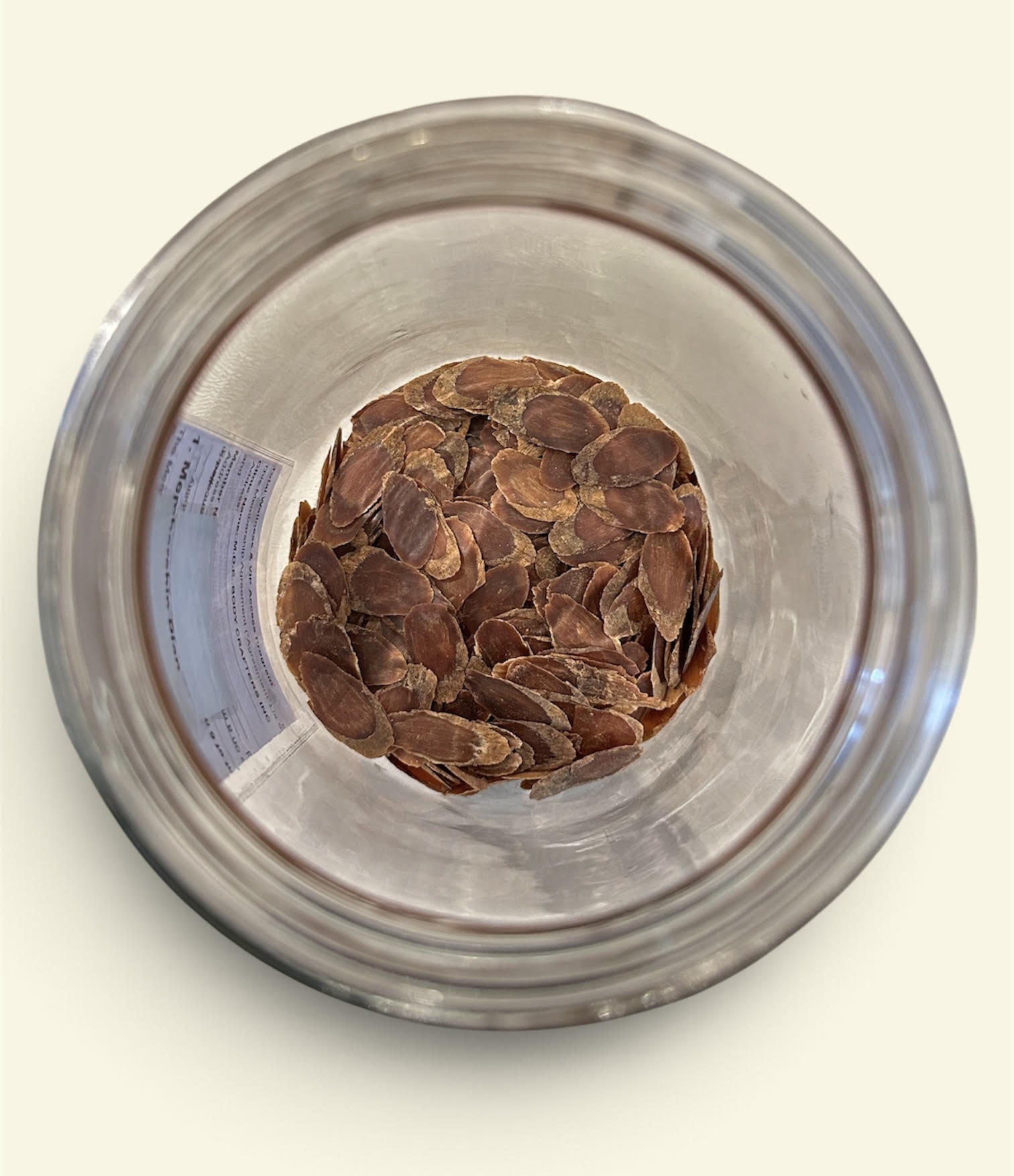
Ren Shen (Red) (红参) (Panax ginseng C.A. Meyer) is a traditional Chinese herbal medicine prepared from the root of Asian ginseng that has been steamed and dried. It belongs to the Araliaceae family. It is commonly known as Ren Shen, Hong Shen, Red Ginseng, Korean Red Ginseng, Asian Ginseng, Chinese Ginseng, Red Panax Ginseng, Ginseng Root, and Radix et Rhizoma Ginseng Rubra. In Traditional Chinese Medicine (TCM), Ren Shen (Red) is traditionally valued for strongly tonifying Qi, supporting vitality, benefiting the Spleen and Lung, and supporting the body’s ability to recover from weakness according to traditional TCM principles. Health Canada’s Natural Health Products Ingredients Database recognizes Panax ginseng root and red ginseng as approved herbal ingredient substances.
Ren Shen (Red) is traditionally considered an important herb for patterns involving Qi deficiency, fatigue, weakness, reduced appetite, and shortness of breath associated with traditional Spleen and Lung Qi deficiency. It is also used in traditional formulas for certain patterns involving fluid loss, weakness following illness, and diminished vitality. It is traditionally associated primarily with the Spleen, Lung, and Heart meridians.
Ren Shen (Red) is traditionally used to tonify Qi and support energy. In TCM, it may be selected in traditional formulas for weakness, fatigue, reduced appetite, and other symptoms associated with traditional Qi deficiency patterns.
Ren Shen (Red) is also traditionally used to support the Spleen and digestive function. It may be included in traditional formulas for reduced appetite, digestive weakness, and fatigue associated with traditional Spleen Qi deficiency.
Another traditional application of Ren Shen (Red) is to support the Lung and respiratory Qi. It may be included in traditional formulas for shortness of breath, weak coughing, and other symptoms associated with traditional Lung Qi deficiency.
Ren Shen (Red) is traditionally used to support mental vitality and concentration when these are affected by Qi deficiency. It may be included in formulas intended to address tiredness, reduced mental stamina, and weakness according to traditional TCM pattern differentiation.
Red ginseng differs from white ginseng primarily in its processing. Red ginseng is steamed and dried, a process that changes its chemical composition and the relative amounts of certain ginsenosides. Modern scientific research has investigated red ginseng for potential effects on fatigue, physical performance, cognitive function, glucose metabolism, and immune-related activity. However, findings from extracts and clinical trials involving particular preparations do not establish that a 50 g package of whole dried red ginseng root produces the same effects.
Benefits:
- Traditionally used to tonify Qi according to Traditional Chinese Medicine principles
- Traditionally used to support vitality and energy
- Traditionally used to address fatigue associated with traditional Qi deficiency patterns
- Traditionally used to support Spleen Qi
- Traditionally used to support appetite and comfortable digestion
- Traditionally used to support Lung Qi
- Traditionally used to support respiratory function according to traditional TCM principles
- Traditionally used to support recovery from weakness associated with Qi deficiency
- Traditionally used to support mental vitality and concentration
- Traditionally used to support physical stamina according to traditional TCM principles
- Traditionally used to support the body’s adaptation to physical and mental demands
- Traditionally used to support traditional patterns involving diminished vitality
- Provides naturally occurring ginsenosides and other triterpenoid saponins
- Contains naturally occurring polysaccharides and other phytochemicals
- Provides naturally occurring phenolic compounds and other plant constituents
- Contains compounds investigated for potential antioxidant activity
- Has been investigated in scientific studies for potential effects on fatigue and physical performance
- Has been investigated for potential effects on cognitive function and glucose metabolism
- Traditionally used as a Qi-tonifying ingredient in classical Chinese herbal formulas
These benefits describe traditional uses and areas of scientific investigation. They do not establish that Ren Shen (Red) can prevent, diagnose, or treat specific medical conditions.
Other Names:
Ren Shen (Red), Ren Shen (红参), Hong Shen (红参), Red Ginseng, Korean Red Ginseng, Asian Ginseng, Chinese Ginseng, Red Panax Ginseng, Ginseng Root, Red Ginseng Root, Radix et Rhizoma Ginseng Rubra, Panax ginseng C.A. Meyer, and Panax schinseng Nees. The term Hong Shen refers to the steamed and dried form of Asian ginseng. It should not be confused with American ginseng (Panax quinquefolius) or notoginseng (Panax notoginseng), which are different species with different traditional uses.
Persian names: جینسینگ قرمز (Jinsing-e Ghermez), جینسینگ کرهای قرمز (Korean Red Ginseng), ریشه جینسینگ قرمز (Red Ginseng Root), جینسینگ آسیایی (Asian Ginseng), and ریشه جینسینگ (Ginseng Root). These are common or descriptive Persian names rather than verified traditional Persian medicinal synonyms specific to Hong Shen.
Indian names: जिनसेंग (Jinseng), लाल जिनसेंग (Lal Jinseng), कोरियाई लाल जिनसेंग (Korean Red Ginseng), एशियाई जिनसेंग (Asian Ginseng), and चीनी जिनसेंग (Chinese Ginseng). These are descriptive Hindi names. Red ginseng is primarily associated with East Asian herbal traditions and should not be confused with Indian Ayurvedic herbs that may be marketed as adaptogens or vitality-supporting botanicals.
Traditional Uses:
In Traditional Chinese Medicine, Ren Shen (Red) is traditionally used to tonify Qi, particularly in patterns involving Spleen and Lung Qi deficiency. It may be included in traditional formulas for weakness, fatigue, reduced appetite, shortness of breath, and other symptoms associated with traditional Qi deficiency patterns.
Ren Shen (Red) is traditionally used to support the Spleen and Stomach. It may be selected in traditional formulas for reduced appetite, digestive weakness, and fatigue associated with traditional Spleen Qi deficiency.
Ren Shen (Red) is also traditionally used to support the Lung and respiratory Qi. It may be included in traditional formulas for shortness of breath, weak coughing, and other symptoms associated with traditional Lung Qi deficiency.
Another traditional application of Ren Shen (Red) is to support vitality following periods of weakness or depletion. In TCM, it may be selected for certain deficiency patterns involving fatigue, reduced stamina, and diminished functional capacity.
Ren Shen (Red) is traditionally used in some formulas intended to support mental vitality and concentration when these are affected by Qi deficiency. These traditional applications should not be interpreted as evidence that red ginseng treats neurological disorders or cognitive impairment.
Red ginseng is also traditionally used in formulas for certain patterns involving fluid loss and pronounced weakness. Such applications require professional assessment, particularly when symptoms may indicate dehydration, infection, cardiovascular problems, or another medical condition.
Traditionally, Ren Shen (Red) is selected according to the individual’s TCM pattern, constitution, symptoms, and the other herbs included in a formula. It is a potent Qi-tonifying herb and is not considered suitable for every individual or every symptom pattern.
Side Effects:
Red ginseng is generally tolerated by many adults when used appropriately, but adverse effects can occur. Safety depends on the botanical species, processing method, amount consumed, duration of use, and individual health circumstances.
Possible side effects include insomnia, anxiety, headache, dizziness, gastrointestinal discomfort, diarrhea, and skin reactions. Some individuals may experience restlessness or difficulty sleeping, particularly when taking stimulating preparations later in the day.
A randomized, placebo-controlled clinical trial examining Korean Red Ginseng over 24 weeks reported adverse events including itching, headache, diarrhea, and dizziness. The overall adverse-event rates were similar between the ginseng and placebo groups in that study, but these findings do not establish safety for every preparation, dose, or individual.
Red ginseng may affect blood glucose regulation, and caution is appropriate for individuals with diabetes or those taking glucose-lowering medications.
Possible interactions with anticoagulants and other medications have been reported, although the evidence varies by medication and preparation. Individuals taking prescription medications should seek professional advice before medicinal use.
Allergic reactions are possible in sensitive individuals.
Discontinue use and consult a healthcare practitioner if unwanted or persistent symptoms occur. Seek urgent medical attention if you experience a severe allergic reaction or other potentially serious symptoms.
Precautions:
Consult a qualified healthcare practitioner or Traditional Chinese Medicine practitioner before using Ren Shen (Red) medicinally, particularly if you take prescription medications or have an existing medical condition.
Pregnancy: Consult a healthcare practitioner before use during pregnancy. Reliable safety information for medicinal doses of red ginseng during pregnancy is limited.
Breastfeeding: Consult a healthcare practitioner before medicinal use during breastfeeding because safety information is insufficient for all preparations.
Diabetes and blood glucose: Consult a healthcare practitioner before use if you have diabetes or take glucose-lowering medication. Monitor blood glucose as advised by your healthcare provider.
Blood-thinning medications: Consult a healthcare practitioner before use if you take warfarin or other anticoagulant or antiplatelet medications.
High blood pressure and cardiovascular conditions: Individuals with high blood pressure, heart disease, or other cardiovascular conditions should obtain professional advice before medicinal use, particularly if the product causes palpitations, restlessness, or insomnia.
Sleep disturbances and anxiety: Red ginseng may cause insomnia, anxiety, or headaches in some individuals. Avoid taking it late in the day if it interferes with sleep.
Hormone-sensitive conditions: Consult a healthcare practitioner before use if you have a hormone-sensitive medical condition or take hormonal medications, as safety and interactions may depend on the specific product and clinical circumstances.
Long-term use: Consult a healthcare practitioner before prolonged medicinal use. Evidence about long-term safety varies according to the preparation, dose, and individual health circumstances.
Use only products with reliable botanical identification. Red ginseng should not replace prescribed medication or professional treatment for an underlying medical condition.
Discontinue use and consult a healthcare practitioner if symptoms persist or worsen or if new symptoms develop.
Interactions:
Consult a healthcare practitioner before combining Ren Shen (Red) with prescription medications, over-the-counter medicines, or other natural health products.
Warfarin and other anticoagulants: Potential interactions between ginseng and warfarin have been reported. Because the effects may depend on the specific preparation and individual circumstances, consult a healthcare practitioner before combining red ginseng with anticoagulants.
Diabetes medications: Ginseng may affect blood glucose levels. Combining it with insulin or other glucose-lowering medications could alter glucose control and may increase the risk of hypoglycemia in susceptible individuals.
Antidepressants: Consult a healthcare practitioner before using red ginseng with antidepressant medications, particularly monoamine oxidase inhibitors. Interaction reports exist, although the clinical evidence is limited and not consistent for every medication.
Stimulants and caffeine: Combining red ginseng with high amounts of caffeine or other stimulating products may worsen insomnia, anxiety, restlessness, or palpitations in sensitive individuals.
Blood pressure medications: The effects of ginseng on blood pressure may vary according to the preparation and individual. Seek professional advice if you take medication to manage blood pressure.
Other herbal products: Combining red ginseng with other stimulating or glucose-regulating herbs and supplements may alter the overall effects and safety of the combination.
Other prescription medications: Research into red ginseng’s effects on drug-metabolizing enzymes has not demonstrated clinically significant interactions with every tested medication, but this does not exclude interactions with other drugs. A clinical study found no clinically significant interactions with the particular enzyme and transporter probe drugs examined, while other interaction reports remain relevant.
The absence of documented interactions does not guarantee that Ren Shen (Red) is safe to combine with medications. Individuals taking multiple medications should consult a pharmacist or healthcare practitioner before use.
Dosing:
Use according to the product label or as directed by a qualified healthcare practitioner or Traditional Chinese Medicine practitioner.
Traditional Chinese Medicine references commonly describe Ren Shen in an approximate range of 3–9 g of dried root when used in a decoction. The appropriate amount depends on the preparation, processing method, formula, individual constitution, and clinical circumstances.
This traditional range is not a clinically established dose for treating a medical condition and should not be interpreted as a recommendation for unsupervised use. Red ginseng and other ginseng preparations may differ in their chemical composition and potency.
For a 50 g bulk-herb product, the package quantity should not be interpreted as a recommended daily dose.
Because red ginseng may affect sleep, blood glucose, and medication responses, the appropriate amount and duration of use should be determined carefully, particularly for individuals with chronic medical conditions or those taking prescription medications.
Storage:
Store in a cool, dry place away from direct sunlight, excessive heat, and humidity. Keep the package tightly closed and out of reach of children.
Protect the dried root from moisture, insects, dust, and contamination. Store in a clean, airtight container when appropriate.
Avoid exposure to excessive humidity, which may cause deterioration or mold growth.
Discard the product if there are signs of mold, unusual odor, moisture damage, insect contamination, or spoilage.
Preparation:
If using dried Ren Shen (Red), prepare according to the product instructions or the directions provided by a qualified Traditional Chinese Medicine practitioner.
Traditional decoction: Red ginseng root is traditionally simmered in water, either alone or as part of a prescribed multi-herb formula. Preparation time, water quantity, and the combination of ingredients depend on the specific formula.
Traditional herbal combinations: Ren Shen (Red) may be combined with other Chinese medicinal herbs traditionally selected to tonify Qi, support the Spleen and Lung, or address patterns involving weakness and diminished vitality.
Preparation differences: Red ginseng is produced by steaming and drying the ginseng root. This process changes its chemical profile compared with white ginseng, which is generally dried without the same steaming process.
Ren Shen (Red) should not be confused with American ginseng or notoginseng. These botanically distinct herbs have different traditional applications and should not be substituted for one another without appropriate professional guidance.
Use only botanically authenticated material intended for medicinal preparation. Do not increase the amount or combine multiple ginseng products without consulting a qualified healthcare practitioner.
Scientific Support:
Ren Shen (Red) is derived from Panax ginseng C.A. Meyer, a perennial plant in the Araliaceae family. Its root is steamed and dried to produce red ginseng, a traditional medicinal preparation used in Chinese and Korean herbal medicine.
Red ginseng contains naturally occurring ginsenosides, which are triterpenoid saponins considered important characteristic constituents of Panax ginseng. It also contains polysaccharides, phenolic compounds, and other phytochemicals. Steaming changes the relative concentrations and chemical structures of certain ginsenosides, creating a chemical profile that differs from unprocessed or conventionally dried ginseng.
Modern scientific research has investigated red ginseng for potential effects on fatigue, physical performance, cognitive function, immune-related activity, glucose metabolism, and other biological processes. Results vary according to the preparation, dosage, duration, study population, and outcome measured.
A randomized, double-blind, placebo-controlled clinical trial published in 2018 examined the safety of Korean Red Ginseng over 24 weeks in healthy adults. The study reported no significant difference in the overall incidence of adverse events between the red ginseng and placebo groups. However, the results cannot establish long-term safety for all products, doses, or individuals.
A randomized, double-blind, placebo-controlled clinical trial published in 2019 investigated Korean Red Ginseng in individuals with traditional deficiency patterns. The researchers reported improvements in fatigue-related measures over four weeks, while noting the need for larger and longer studies to confirm the findings. These results are specific to the preparation, dose, and participants studied and should not automatically be applied to whole dried red ginseng root.
Research has also examined the potential for interactions between red ginseng and medications. A clinical study investigating drug-metabolizing enzymes and transporters found no clinically significant interactions with the particular probe drugs tested. Nevertheless, other interaction reports, including those involving warfarin, mean that professional guidance remains appropriate for individuals taking prescription medications.
Health Canada’s Natural Health Products Ingredients Database recognizes Panax ginseng root and red ginseng as approved herbal ingredient substances. This provides a Canadian regulatory reference for the ingredient, but it does not establish that this specific 50 g bulk-herb product is licensed or approved for particular therapeutic claims.
Clinical evidence for red ginseng varies by preparation and intended use. Research involving standardized extracts or concentrated products should not automatically be applied to a 50 g package of whole dried red ginseng root. Additional high-quality human clinical studies are needed to establish specific therapeutic applications, appropriate dosing, long-term safety, and interactions with medications.
References & Scientific Support:
PubMed – Safety and tolerability of Korean Red Ginseng in healthy adults: a multicenter, double-blind, randomized, placebo-controlled trial. This clinical trial evaluates the safety and tolerability of Korean Red Ginseng over 24 weeks in healthy adults. It compares adverse events between red ginseng and placebo groups and reports findings concerning headache, itching, diarrhea, dizziness, and other possible adverse effects. View Research.
PubMed – Safety and antifatigue effect of Korean Red Ginseng: a randomized, double-blind, and placebo-controlled clinical trial. This clinical trial investigates the effects of Korean Red Ginseng on fatigue and safety-related outcomes in individuals with traditional deficiency patterns. The researchers report improvements in fatigue-related measures over four weeks while identifying the need for additional studies to confirm the results and establish broader clinical applications. View Research.
Health Canada – Natural Health Products Ingredients Database. This official Canadian database recognizes Panax ginseng root as an approved herbal ingredient and identifies red ginseng under the ingredient name Radix et Rhizoma Ginseng Rubra. It provides regulatory information about recognized medicinal ingredients and their permitted preparations. Ingredient recognition does not establish that this specific 50 g bulk-herb product is licensed or that every traditional use is an approved therapeutic claim. View Health Canada Reference.