Description:
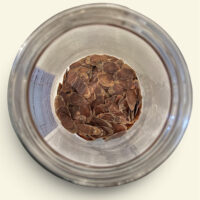
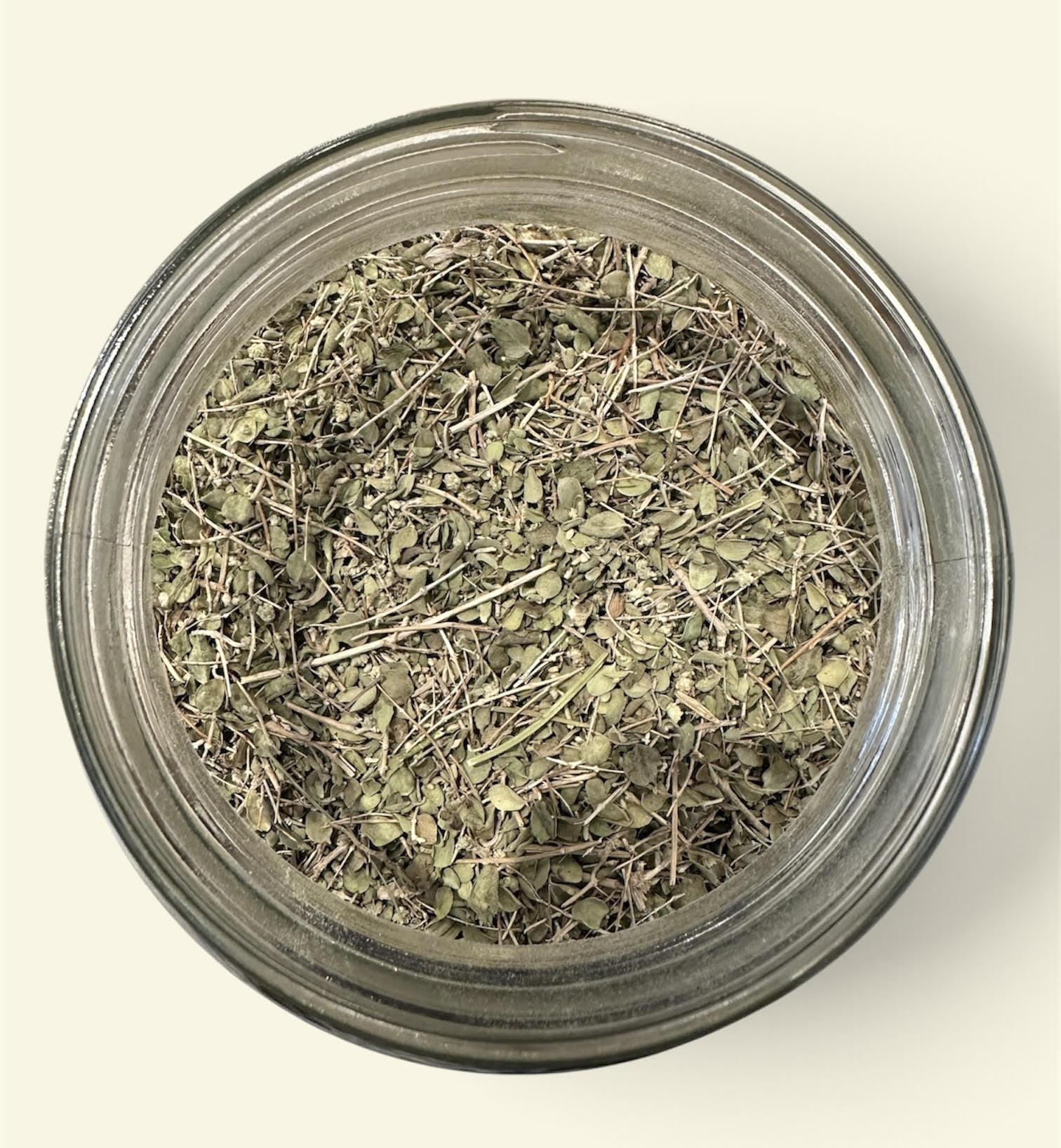
Thyme (Thymus vulgaris), commonly known as Avishan (آویشن), is an aromatic herb from the Lamiaceae family. Its dried leaves and flowering tops are traditionally used as a culinary herb and herbal preparation. It is also known as Common Thyme, Garden Thyme, English Thyme, and Thymus vulgaris L. In traditional herbal medicine, thyme is valued for supporting respiratory comfort, soothing the throat, and supporting digestion.
Thyme contains naturally occurring essential oils, including thymol and carvacrol, as well as flavonoids, tannins, and other plant compounds. These constituents have been studied for their potential antioxidant and antimicrobial properties.
Traditionally, thyme is used to support respiratory comfort and relieve cough associated with colds. It is commonly prepared as an herbal tea or included in traditional herbal preparations for throat irritation and mucus-related respiratory discomfort.
Thyme is also traditionally used to support digestion and relieve occasional bloating and gas. Its aromatic properties make it a popular ingredient in herbal teas, culinary preparations, and traditional herbal remedies.
Benefits:
- Traditionally used to support healthy respiratory function
- Traditionally used to relieve cough associated with colds
- Traditionally used to soothe the throat
- Traditionally used to support comfortable breathing
- Traditionally used to support digestion
- Traditionally used to relieve occasional bloating and gas
- Provides naturally occurring thymol and carvacrol
- Contains naturally occurring flavonoids and other phytochemicals
- Provides plant compounds investigated for antioxidant activity
- Contains aromatic compounds studied for antimicrobial properties
- Traditionally used to support digestive comfort
- Commonly used in herbal teas and traditional herbal preparations
- Traditionally used to support overall wellness
Other Names:
Thyme, Common Thyme, Garden Thyme, English Thyme, Avishan, Avishan (آویشن), Thymus vulgaris L., Common Thyme Herb, Thyme Leaf, and Thymi Herba.
Persian names: آویشن (Avishan), آویشن باغی (Avishan-e Bāghi, Garden Thyme), and گیاه آویشن (Giyāh-e Avishan, Thyme Plant).
Indian names: थाइम (Thyme), बन अजवाइन (Ban Ajwain, a regional descriptive name), and जंगली थाइम (Jangli Thyme, Wild Thyme). Common Indian names may vary by region and species.
Traditional Uses:
In traditional herbal medicine, thyme is used to support respiratory comfort, particularly for coughs associated with colds. It is commonly prepared as an herbal tea or included in herbal preparations intended to help loosen mucus and soothe respiratory irritation.
Thyme is traditionally used to soothe the throat and support comfortable breathing during seasonal respiratory discomfort.
It is also traditionally used to support digestion and relieve occasional bloating and gas. Its aromatic compounds have been investigated for potential digestive and antimicrobial properties.
Thyme has a long history of culinary use and is commonly consumed as a seasoning or herbal infusion. Traditional medicinal use should be distinguished from established clinical evidence.
Side Effects:
Thyme is generally well tolerated in ordinary culinary amounts. Medicinal use may cause stomach discomfort or other digestive symptoms in some individuals.
Allergic reactions are possible, particularly in people sensitive to thyme or related plants in the Lamiaceae family, such as oregano, basil, mint, and rosemary.
Concentrated thyme essential oil may cause irritation and should not be treated as equivalent to dried thyme herb.
Discontinue use and consult a healthcare practitioner if unwanted or persistent symptoms occur.
Precautions:
Consult a healthcare practitioner before medicinal use if you are taking prescription medications or other natural health products, or if you have a medical condition.
Do not use medicinal amounts during pregnancy or breastfeeding unless directed by a qualified healthcare practitioner. Safety data for medicinal doses are limited.
Individuals with known allergies to thyme or related plants should use caution.
Avoid swallowing concentrated thyme essential oil unless specifically directed by a qualified healthcare professional.
Consult a healthcare practitioner if a cough persists for more than one week, worsens, or is accompanied by fever, shortness of breath, or unusual sputum.
Interactions:
Consult a healthcare practitioner before combining medicinal amounts of thyme with prescription medications or other natural health products.
Anticoagulants and antiplatelet medications: Reliable clinical interaction data for dried thyme are limited. Individuals taking blood-thinning medications should consult a healthcare practitioner before using concentrated thyme preparations.
Blood-pressure medications: The clinical significance of potential interactions between medicinal thyme preparations and blood-pressure medications is uncertain. Professional guidance is recommended.
Blood-sugar medications: Experimental studies have investigated possible effects of thyme constituents on glucose metabolism, but clinically significant interactions have not been established.
Other herbal products: Consult a healthcare practitioner before combining concentrated thyme preparations with other medicinal herbs.
Ordinary culinary use generally involves much lower exposure than concentrated extracts or essential oils.
Dosing:
Use according to the product label or as directed by a qualified healthcare practitioner.
Traditional European herbal references commonly describe dried thyme herb in approximate amounts of 1–2 g per preparation for herbal infusion in adults, depending on the preparation and intended use.
For a simple herbal tea, the dried herb may be steeped in hot water and strained before drinking. Medicinal frequency and duration should follow qualified professional guidance and the applicable product instructions.
For a 50 g bulk-herb product, the package quantity should not be interpreted as a recommended daily dose.
Storage:
Store in a cool, dry place away from direct sunlight. Keep tightly closed and out of reach of children.
Protect dried thyme from moisture, humidity, insects, and excessive heat. Discard if there are signs of mold, unusual odor, insect contamination, or spoilage.
Preparation:
To prepare thyme tea, add approximately 1–2 g of dried thyme to a cup of freshly boiled water. Cover and steep for about 5–10 minutes, then strain.
Thyme may also be simmered gently in water when a decoction is preferred. Follow the product instructions or the advice of a qualified healthcare practitioner for medicinal use.
Thyme can be used in soups, stews, sauces, and other culinary preparations. Dried thyme herb should not be confused with concentrated thyme essential oil.
Scientific Support:
Thyme (Thymus vulgaris) is an aromatic plant that has been studied for its traditional respiratory applications, chemical composition, and potential biological activities.
Its principal constituents include thymol and carvacrol, along with flavonoids, phenolic acids, and other phytochemicals. Research has investigated these compounds for potential antioxidant, antimicrobial, and anti-inflammatory properties.
The European Medicines Agency recognizes thyme herbal preparations as traditional herbal medicines for productive coughs associated with colds. This recognition is based primarily on long-standing traditional use rather than conclusive clinical trial evidence.
Scientific reviews have examined thyme’s chemical constituents and potential biological activities. However, results from laboratory experiments, animal studies, concentrated extracts, and essential oils cannot automatically be applied to ordinary dried thyme herb.
Further high-quality human clinical studies are needed to establish the effectiveness, safety, and appropriate dosing of thyme for specific medical conditions.
References & Scientific Support:
PubMed – A Systematic Review on Ethnopharmacology, Phytochemistry and Pharmacological Aspects of Thymus vulgaris Linn. This review examines thyme’s traditional uses, chemical constituents, and reported pharmacological activities, including research into its antioxidant, antimicrobial, and anti-inflammatory properties. It also highlights the need for further research into clinical effectiveness and safety. View Research.
PubMed – A Focused Insight into Thyme: Biological, Chemical, and Therapeutic Properties of an Indigenous Mediterranean Herb. This review examines thyme’s nutritional composition, essential oil constituents, and potential biological activities, including research on thymol, carvacrol, and other naturally occurring phytochemicals. View Research.
Health Canada – Natural Health Products Ingredients Database: Thymus vulgaris. This official Canadian reference identifies common thyme as an approved herbal ingredient and provides information on recognized preparations and applicable monographs for oral and topical products. Ingredient recognition does not mean that every dried thyme product is individually licensed as a medicine. View Health Canada Reference.