Description:
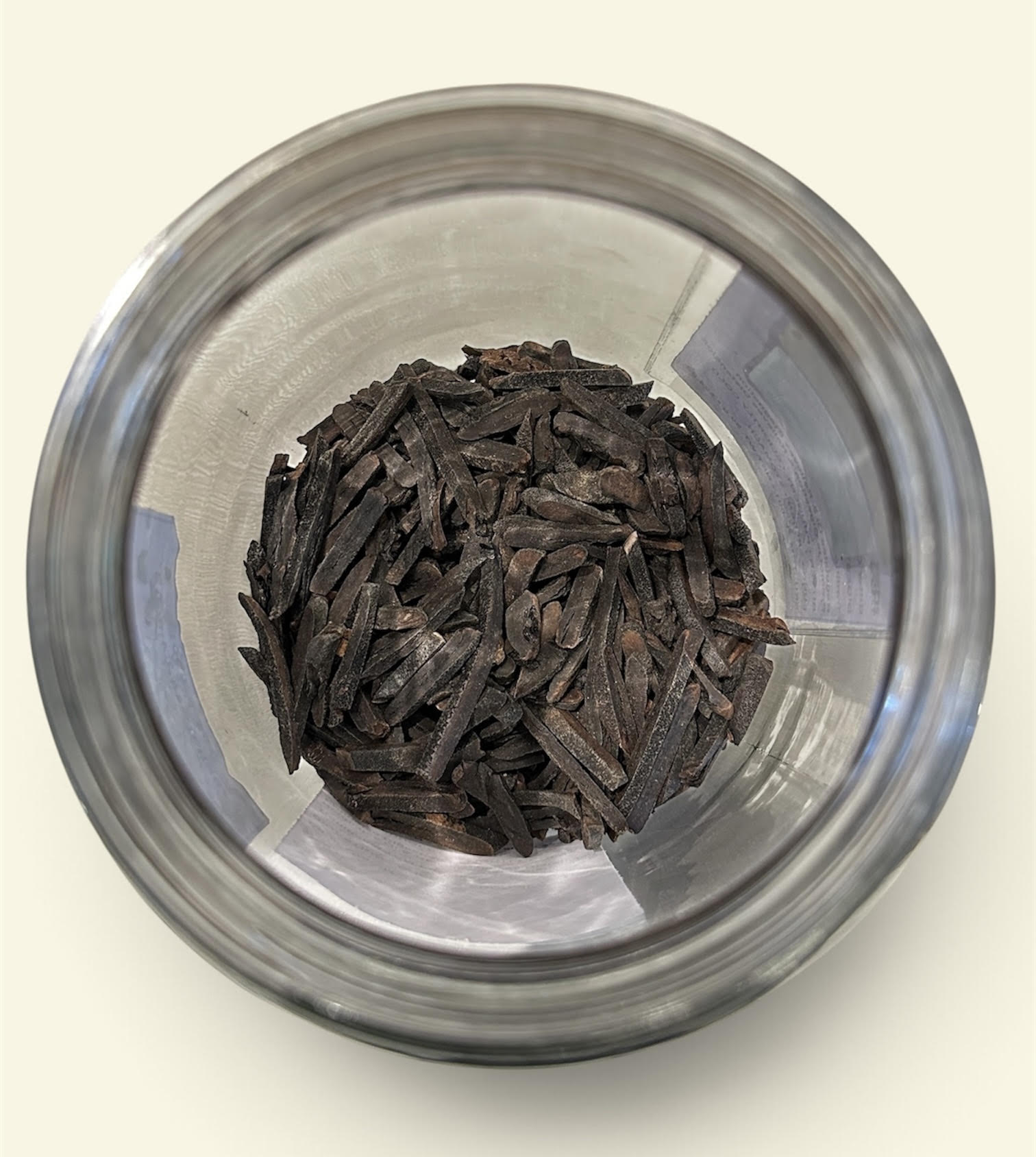
Zhi Ke (枳壳), also known as Bitter Orange or Fructus Aurantii, is a traditional Chinese herbal medicine prepared from the dried, immature fruit of Citrus aurantium L., a plant in the Rutaceae family. In Traditional Chinese Medicine (TCM), it is traditionally valued for regulating Qi, relieving abdominal fullness, and reducing distention associated with Qi stagnation and digestive discomfort.
Zhi Ke is traditionally associated with the Spleen and Stomach meridians and is commonly used in formulas for bloating, abdominal fullness, indigestion, and certain patterns involving Phlegm accumulation. It is traditionally considered milder than Zhi Shi (枳实), another Chinese medicinal herb prepared from immature citrus fruit.
Zhi Ke contains naturally occurring flavonoids, including naringin and neohesperidin, as well as alkaloids such as synephrine. Modern research has investigated bitter orange and its constituents for digestive, metabolic, and cardiovascular effects, although findings from extracts cannot automatically be applied to whole dried Zhi Ke.
Benefits:
- Traditionally used to regulate Qi according to TCM principles
- Traditionally used to relieve abdominal fullness and bloating
- Traditionally used to support comfortable digestion
- Traditionally used for indigestion associated with Qi stagnation
- Traditionally used to help relieve chest and upper abdominal distention
- Traditionally used to address certain patterns involving Phlegm accumulation
- Traditionally used to support normal digestive movement
- Contains naturally occurring flavonoids, including naringin and neohesperidin
- Contains naturally occurring synephrine and other phytochemicals
- Provides plant compounds investigated for antioxidant and other biological activities
- Traditionally used as an ingredient in classical TCM herbal formulas
Other Names:
Zhi Ke, Zhi Ke (枳壳), Zhiqiao, Bitter Orange, Chinese Bitter Orange, Zhejiang Bitter Orange, Fructus Aurantii, Aurantii Fructus, and Citrus aurantium L.
Persian names: نارنج (Narenj), نارنج تلخ (Narenj-e Talkh), and میوه نارنج تلخ (Bitter Orange Fruit). These names refer to bitter orange generally and may not specifically identify the medicinally prepared Zhi Ke.
Indian names: कड़वा नारंगी (Kadwa Narangi), कड़वा संतरा (Kadwa Santra), and Bitter Orange. These are general descriptive names; regional names may vary.
Traditional Uses:
In Traditional Chinese Medicine, Zhi Ke is traditionally used to regulate Qi and relieve distention. It may be included in formulas for bloating, abdominal fullness, indigestion, and discomfort associated with Qi stagnation.
It is also traditionally used to help address Phlegm accumulation and chest fullness. Its traditional applications depend on the individual’s TCM pattern and constitution.
Zhi Ke is generally considered milder than Zhi Shi (枳实), which is traditionally used to more strongly move Qi and reduce food accumulation.
Side Effects:
Zhi Ke contains naturally occurring synephrine and other active compounds. Potential adverse effects may include gastrointestinal discomfort, restlessness, palpitations, or changes in blood pressure, although the risk associated with ordinary dried-herb preparations is not well established.
Bitter orange extracts vary in composition and concentration, so findings from concentrated supplements should not automatically be applied to dried Zhi Ke.
Discontinue use and seek medical advice if you experience rapid heartbeat, chest discomfort, dizziness, or other concerning symptoms.
Precautions:
Consult a qualified healthcare practitioner before use if you take medications or have a medical condition.
Pregnancy and breastfeeding: Avoid medicinal use unless specifically directed by a qualified healthcare practitioner, as safety information is limited.
Heart conditions and high blood pressure: Seek professional advice before use, particularly if you have hypertension, an irregular heartbeat, or other cardiovascular conditions.
Digestive conditions: People with significant digestive weakness, persistent abdominal pain, or gastrointestinal disorders should consult a healthcare practitioner before use.
Do not use Zhi Ke as a substitute for medical assessment of persistent digestive symptoms.
Interactions:
Consult a healthcare practitioner before combining Zhi Ke with prescription medications or other natural health products.
Stimulants: Combining bitter orange products with caffeine or other stimulants may increase concerns about heart rate, blood pressure, or palpitations.
Blood pressure medications: Because bitter orange constituents may affect cardiovascular function, professional guidance is advisable when using them with blood pressure medications.
Cardiovascular medications: Individuals taking medications for heart rhythm or other cardiovascular conditions should consult a healthcare practitioner before use.
Other herbal products: Avoid combining multiple concentrated bitter orange products or stimulant-containing supplements without professional guidance.
Clinical interaction data for whole dried Zhi Ke remain limited.
Dosing:
Use according to the product label or as directed by a qualified Traditional Chinese Medicine practitioner.
Traditional Chinese Medicine references commonly describe dried Zhi Ke in an approximate range of 3–10 g for decoction use, depending on the preparation, formula, and individual circumstances.
This range is a traditional reference, not a personalized dosing recommendation. The appropriate amount should account for the product’s identity, preparation, and the individual’s health.
For a 50 g bulk-herb product, the package quantity should not be interpreted as a recommended daily dose.
Storage:
Store in a cool, dry place away from direct sunlight. Keep tightly closed and out of reach of children.
Protect the dried fruit from moisture, humidity, insects, and excessive heat. Discard if there are signs of mold, unusual odor, or spoilage.
Preparation:
Zhi Ke is traditionally prepared as a decoction by simmering the dried immature fruit in water according to a qualified practitioner’s instructions.
It is frequently combined with other herbs in traditional formulas for digestive discomfort, abdominal fullness, and Qi stagnation patterns.
Zhi Ke should not be confused with Zhi Shi (枳实), which is prepared from immature fruit and has different traditional uses and potency. Confirm the botanical identity and preparation before use.
Scientific Support:
Zhi Ke is derived primarily from Citrus aurantium L. and contains naturally occurring flavonoids, including naringin and neohesperidin, as well as synephrine and volatile compounds.
Modern research has investigated bitter orange for its chemical composition, digestive effects, and potential cardiovascular and metabolic activities. However, studies often examine extracts or isolated constituents rather than whole dried Zhi Ke.
Evidence for specific therapeutic benefits remains limited, and research on bitter orange supplements does not necessarily establish the safety or effectiveness of traditional Zhi Ke preparations. Further clinical research is needed to clarify appropriate dosing, benefits, and potential interactions.
References & Scientific Support:
PubMed – An Evidence-Based Systematic Review of Bitter Orange (Citrus aurantium) by the Natural Standard Research Collaboration. This review examines the available evidence on bitter orange, including clinical studies, traditional uses, pharmacology, dosing, adverse effects, and potential interactions. View Research.
PubMed – Citrus aurantium L. Active Constituents, Biological Effects and Extraction Methods: An Updated Review. This review summarizes the chemical constituents of bitter orange and research into its potential biological activities, while explaining how plant parts and extraction methods affect the resulting compounds. View Research.
Health Canada – Licensed Natural Health Products Database. Health Canada’s database provides licensing and safety information for natural health products containing Citrus aurantium. The listed products may contain concentrated extracts or combinations of ingredients, so their approved uses and warnings should not be assumed to apply directly to standalone dried Zhi Ke. View Health Canada Reference.