Description:
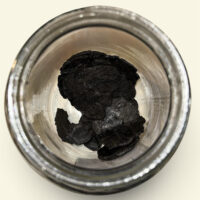
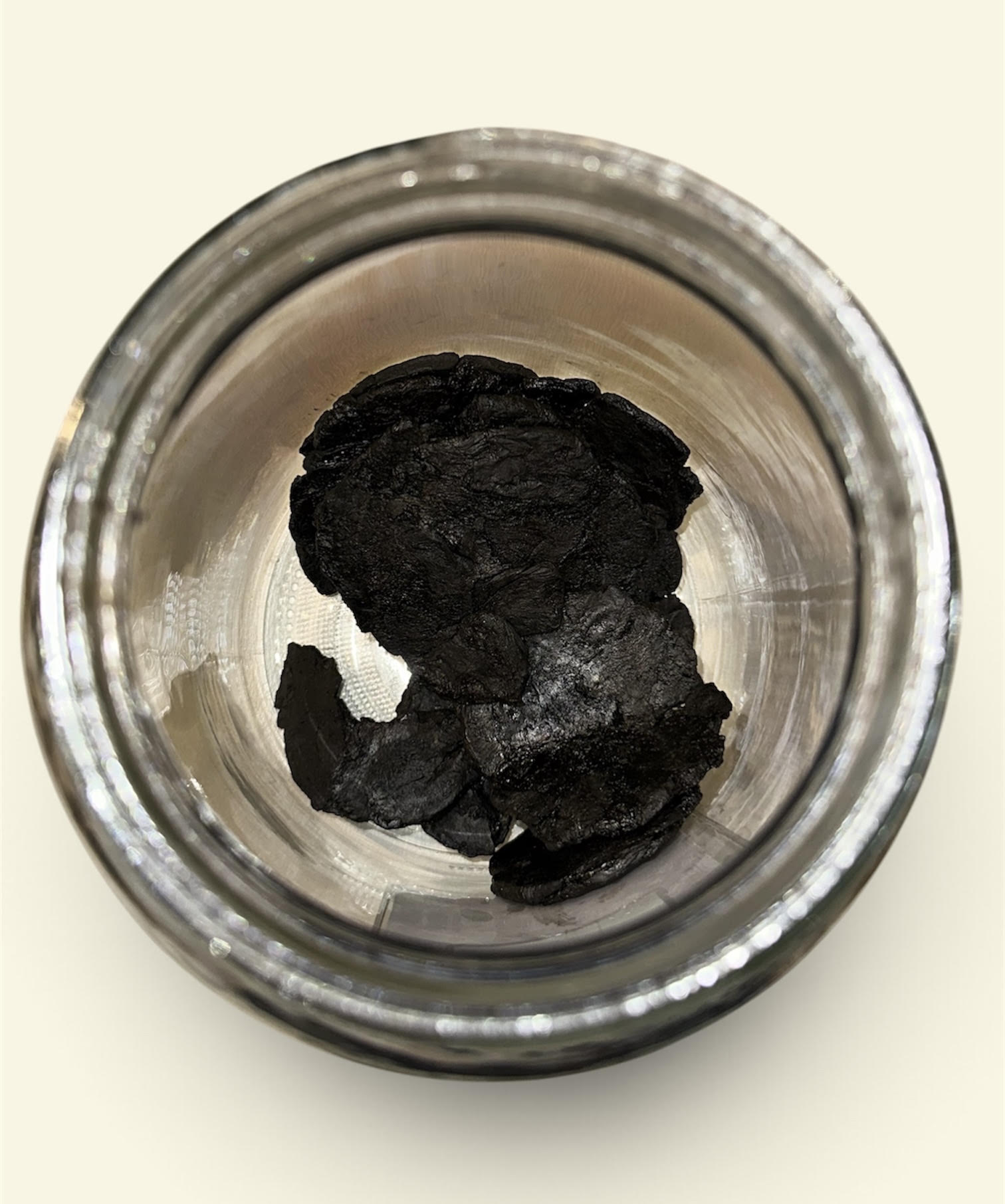
Shu Di Huang (熟地黄), also known as Prepared Rehmannia Root, is a traditional Chinese herbal medicine prepared from the root of Rehmannia glutinosa (Gaertn.) DC., a plant in the Orobanchaceae family. It is commonly known as Prepared Rehmannia, Chinese Foxglove Root, Cooked Rehmannia Root, Rehmanniae Radix Praeparata, and Shu Di Huang. In Traditional Chinese Medicine (TCM), it is traditionally valued for nourishing Yin and Blood, supporting the Liver and Kidneys, and replenishing Essence according to traditional TCM principles.
Shu Di Huang is traditionally associated with patterns involving Liver and Kidney Yin deficiency, Blood deficiency, dizziness, lower back discomfort, and weakness. It is primarily associated with the Liver and Kidney meridians and is commonly included in traditional herbal formulas intended to nourish Yin and Blood.
Shu Di Huang is traditionally used to nourish Blood and support overall vitality. It may be selected in traditional formulas for symptoms associated with Blood deficiency, including dizziness, paleness, and menstrual irregularities.
It is also traditionally used to nourish Kidney and Liver Yin and replenish Essence. In TCM, it may be included in formulas for lower back and knee weakness, dizziness, tinnitus, and other symptoms associated with traditional Yin deficiency patterns.
Prepared Rehmannia is processed, commonly by steaming, which distinguishes it from Sheng Di Huang (生地黄), the unprepared form of Rehmannia root. The processing changes its chemical composition and traditional applications.
Benefits:
- Traditionally used to nourish Yin according to TCM principles
- Traditionally used to nourish and support Blood
- Traditionally used to support Liver and Kidney Yin
- Traditionally used to replenish Essence (Jing)
- Traditionally used to support overall vitality associated with traditional Blood deficiency patterns
- Traditionally used to support comfortable lower back and knee function
- Traditionally used in traditional formulas for dizziness and tinnitus associated with Yin deficiency
- Traditionally used to support menstrual health according to TCM principles
- Traditionally used to support healthy aging according to traditional TCM principles
- Provides naturally occurring iridoid glycosides, including catalpol-related compounds
- Provides naturally occurring polysaccharides and other plant constituents
- Contains naturally occurring phytochemicals investigated in modern scientific research
- Traditionally used as a nourishing ingredient in classical TCM herbal formulas
Other Names:
Shu Di Huang, Shu Di Huang (熟地黄), Prepared Rehmannia Root, Cooked Rehmannia Root, Prepared Chinese Foxglove Root, Chinese Foxglove, Rehmanniae Radix Praeparata, Radix Rehmanniae Preparata, Rehmannia glutinosa (Gaertn.) DC., and Rehmannia Root.
Persian names: ریشه رهمانیا (Rish-e Rehmannia, Rehmannia Root) and ریشه رهمانیا آمادهشده (Prepared Rehmannia Root). These are descriptive Persian names rather than established traditional Persian herbal names.
Indian names: रेहमैनिया जड़ (Rehmannia Jad, Rehmannia Root) and तैयार रेहमैनिया जड़ (Prepared Rehmannia Root). These are descriptive Hindi names; widely established traditional Indian-language names are not commonly documented.
Traditional Uses:
In Traditional Chinese Medicine, Shu Di Huang is traditionally used to nourish Yin and Blood, particularly in patterns involving Liver and Kidney Yin deficiency. It may be included in traditional formulas for dizziness, weakness, paleness, and other symptoms associated with traditional deficiency patterns.
Shu Di Huang is traditionally used to replenish Essence (Jing) and support the Liver and Kidneys. It may be included in formulas for lower back and knee weakness, tinnitus, and other symptoms associated with traditional Kidney deficiency.
It is also traditionally used to nourish Blood and support menstrual health. It may be selected for irregular menstruation and other symptoms associated with traditional Blood deficiency.
Prepared Rehmannia is commonly included in classical formulas such as Liu Wei Di Huang Wan, which is traditionally used to nourish Kidney Yin.
Traditionally, Shu Di Huang is selected according to the individual’s TCM pattern, constitution, symptoms, and the other herbs included in the formula. Because it is considered rich and nourishing, it may be unsuitable in certain patterns involving digestive weakness or excessive Dampness.
Side Effects:
Shu Di Huang may cause digestive discomfort in some individuals, including bloating, abdominal fullness, loose stools, or diarrhea. Its rich, nourishing nature is traditionally considered potentially difficult to tolerate in individuals with weak digestion or Dampness-related patterns.
Allergic reactions are possible in sensitive individuals.
The safety of long-term use and high doses of Prepared Rehmannia Root has not been adequately established in humans.
Discontinue use and consult a healthcare practitioner if unwanted or persistent symptoms occur.
Precautions:
Consult a healthcare practitioner before use if you are taking prescription medications or other natural health products, or if you have a medical condition.
Consult a qualified Traditional Chinese Medicine practitioner before use if you have chronic digestive problems, persistent diarrhea, abdominal bloating, or symptoms associated with Dampness or digestive weakness according to TCM principles.
Do not use during pregnancy or breastfeeding unless directed by a qualified healthcare practitioner. Safety during these periods has not been adequately established.
Individuals with diabetes or those taking blood-sugar-lowering medications should consult a healthcare practitioner before use because experimental research has investigated potential effects of Rehmannia constituents on glucose metabolism, but clinical relevance remains uncertain.
Consult a healthcare practitioner before use if you have a serious or major medical condition.
Discontinue use and consult a healthcare practitioner if symptoms persist or worsen or if new symptoms develop.
Interactions:
Consult a healthcare practitioner before combining Shu Di Huang with prescription medications or other natural health products.
Blood-sugar-lowering medications: Some experimental studies have investigated glucose-related effects of Rehmannia constituents. The clinical significance of potential interactions remains uncertain, so professional guidance is recommended.
Other herbal products: Combining Shu Di Huang with other herbs may alter the overall effects of a formula. Consult a qualified TCM practitioner when combining multiple herbal ingredients.
Other prescription medications: Reliable clinical interaction data for Prepared Rehmannia Root are limited. Consult a healthcare practitioner before combining it with medications, especially when taking multiple medicines or using concentrated herbal preparations.
Dosing:
Use according to the product label or as directed by a qualified healthcare practitioner or Traditional Chinese Medicine practitioner.
Traditional Chinese Medicine references commonly describe Shu Di Huang in an approximate range of 9–30 g as a dried herb for decoction, although the appropriate amount depends on the preparation, formula, individual constitution, and clinical circumstances.
Because the appropriate dose varies, professional guidance is recommended before regular use.
For a 50 g bulk-herb product, the package quantity should not be interpreted as a recommended daily dose.
Storage:
Store in a cool, dry place away from direct sunlight. Keep tightly closed and out of reach of children.
Protect dried Shu Di Huang from moisture, humidity, insects, and excessive heat. Discard if there are signs of mold, unusual odor, insect contamination, or spoilage.
Preparation:
Prepare according to the directions provided by your Traditional Chinese Medicine practitioner or product instructions.
Traditionally, Shu Di Huang is prepared as a decoction by simmering the dried root with water. It is frequently combined with other herbs in classical TCM formulas according to the individual’s traditional pattern and intended use.
Shu Di Huang should not be confused with Sheng Di Huang (生地黄), the unprepared Rehmannia root, which has different traditional applications and preparation characteristics.
Scientific Support:
Shu Di Huang is prepared from Rehmannia glutinosa, a medicinal plant widely used in Traditional Chinese Medicine. Its processing, commonly involving steaming, changes its chemical composition and distinguishes it from the unprepared root.
Rehmannia contains naturally occurring compounds, including iridoid glycosides, phenylethanoid glycosides, polysaccharides, and other phytochemicals. Researchers have investigated these compounds for potential antioxidant, anti-inflammatory, metabolic, and other biological activities.
Scientific reviews have examined Rehmannia’s traditional applications, processing methods, chemical constituents, and pharmacological properties. However, much of the available evidence comes from laboratory experiments and animal studies, and clinical evidence in humans remains limited.
Research findings from concentrated extracts, isolated compounds, or unprepared Rehmannia should not automatically be applied to a 50 g product of whole Prepared Rehmannia Root. Further high-quality human clinical studies are needed to establish its effectiveness, safety, and appropriate dosing for specific health conditions.
References & Scientific Support:
PubMed – Rehmannia glutinosa: Review of Botany, Chemistry and Pharmacology. This review examines the botanical characteristics, chemical constituents, and pharmacological properties of Rehmannia glutinosa, a traditional Chinese medicinal herb used to nourish Yin and support the Kidneys according to TCM principles. View Research.
PubMed – A Systematic Review on Botany, Processing, Application, Phytochemistry and Pharmacological Action of Radix Rehmanniae. This systematic review examines Rehmannia’s traditional uses, processing methods, chemical composition, and reported pharmacological activities, including research on both dried and processed forms of the root. View Research.
Health Canada – Licensed Natural Health Products Database. This database includes Canadian-licensed natural health products containing Rehmannia glutinosa and provides product-specific information about medicinal ingredients, traditional uses, directions, and safety precautions. Individual product listings should not be interpreted as proof of the effectiveness of standalone Prepared Rehmannia Root. View Health Canada Reference.