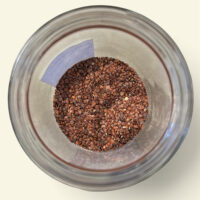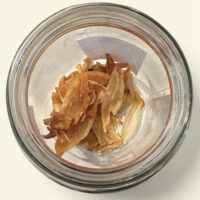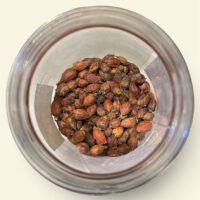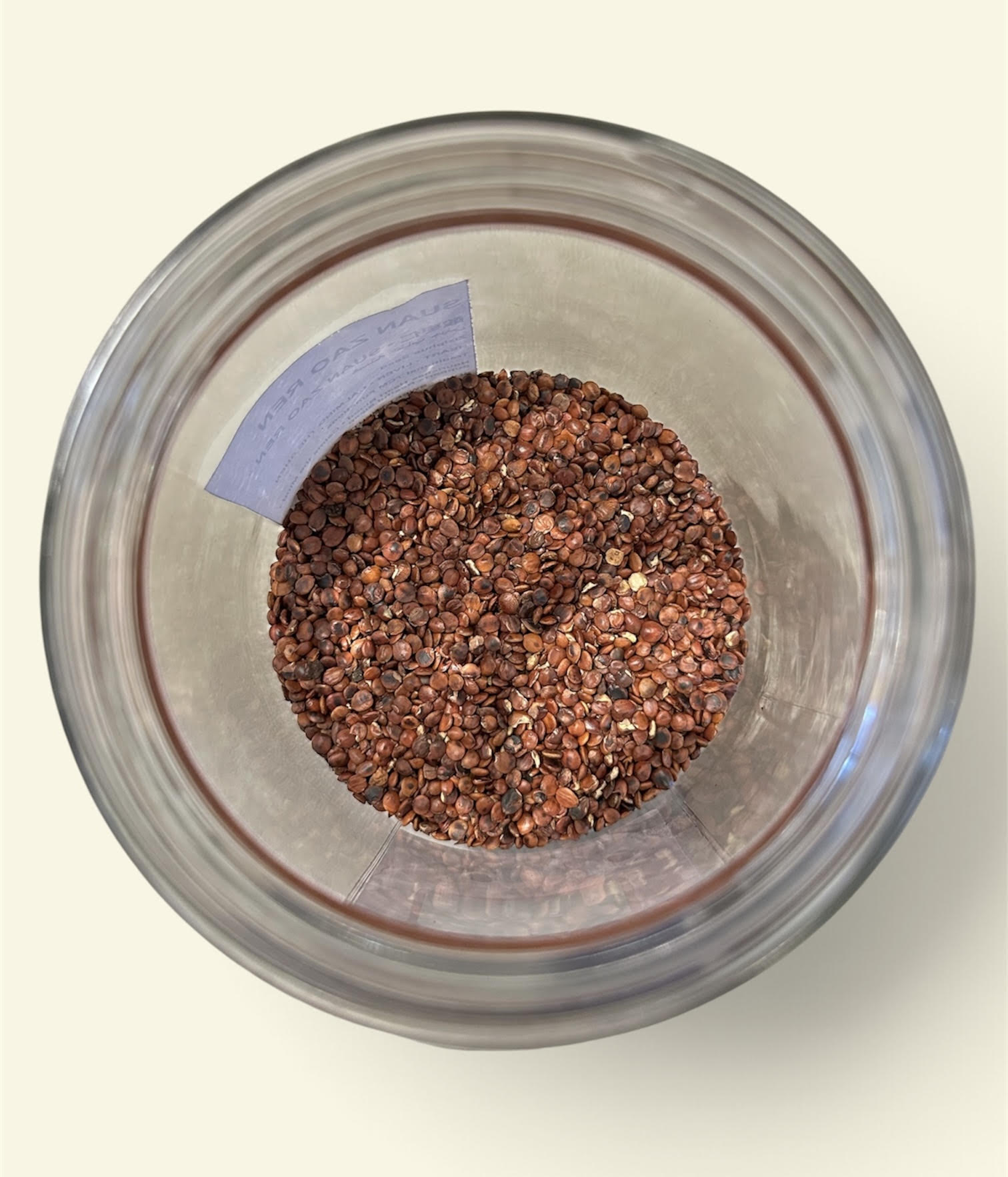
Description:
Suan Zao Ren (酸枣仁), also known as Ziziphus Seed, is a traditional Chinese herbal medicine prepared from the mature seeds of Ziziphus jujuba var. spinosa, a plant in the Rhamnaceae family. It is commonly known as Sour Jujube Seed, Spiny Jujube Seed, Ziziphi Spinosae Semen, and Suan Zao Ren. In Traditional Chinese Medicine (TCM), it is traditionally valued for calming the Shen (spirit), nourishing the Heart and Liver, and supporting restful sleep according to traditional TCM principles.
Suan Zao Ren is traditionally used for patterns involving difficulty sleeping, restlessness, irritability, palpitations, and symptoms associated with Heart and Liver Blood deficiency. It is primarily associated with the Heart and Liver meridians and is commonly included in traditional herbal formulas intended to calm the mind and support healthy sleep.
Suan Zao Ren is traditionally used to support restful sleep and calm the Shen. It may be selected in traditional formulas for difficulty falling asleep, waking during the night, and restlessness associated with traditional TCM patterns.
It is also traditionally used to nourish Heart and Liver Blood and support emotional balance. In TCM, it may be included in formulas for irritability, palpitations, and other symptoms associated with traditional Blood deficiency patterns.
Suan Zao Ren is often used in multi-herb formulas, including traditional preparations intended to support sleep and relaxation. Its traditional use should be distinguished from proven clinical effectiveness, as more high-quality human research is needed.
Benefits:
- Traditionally used to support restful sleep
- Traditionally used to calm the Shen (spirit) according to TCM principles
- Traditionally used to support relaxation
- Traditionally used to nourish Heart and Liver Blood
- Traditionally used to support emotional balance
- Traditionally used for restlessness associated with traditional TCM patterns
- Traditionally used to support calmness before sleep
- Traditionally used in traditional formulas for palpitations associated with Blood deficiency patterns
- Provides naturally occurring saponins, including jujubosides
- Provides naturally occurring flavonoids and other phytochemicals
- Contains naturally occurring fatty acids and plant compounds investigated in scientific research
- Traditionally used as an ingredient in classical Chinese herbal sleep formulas
- Traditionally used to support overall wellness according to TCM principles
Other Names:
Suan Zao Ren, Suan Zao Ren (酸枣仁), Sour Jujube Seed, Spiny Jujube Seed, Ziziphus Seed, Chinese Date Seed, Ziziphi Spinosae Semen, Semen Ziziphi Spinosae, Ziziphus jujuba var. spinosa, and Ziziphus spinosa.
Persian names: هسته عناب (Hasteh-ye Annab, Jujube Seed) and دانه عناب (Daneh-ye Annab, Jujube Seed). These are descriptive Persian names; specific traditional Persian names for the medicinal variety may vary.
Indian names: बेर के बीज (Ber Ke Beej, Jujube Seeds) and खट्टे बेर के बीज (Khatte Ber Ke Beej, Sour Jujube Seeds). These are descriptive Hindi names rather than established traditional Indian medicinal names for Suan Zao Ren.
Traditional Uses:
In Traditional Chinese Medicine, Suan Zao Ren is traditionally used to calm the Shen and support restful sleep. It may be included in traditional formulas for difficulty sleeping, restlessness, and waking during the night.
Suan Zao Ren is traditionally used to nourish Heart and Liver Blood. It may be selected for irritability, palpitations, and other symptoms associated with traditional Blood deficiency patterns.
It is also traditionally used to support relaxation and emotional balance when restlessness is associated with traditional TCM patterns.
Suan Zao Ren is commonly included in classical formulas such as Suan Zao Ren Tang, which is traditionally used to nourish Blood, clear deficiency Heat, and calm the Shen.
Traditionally, Suan Zao Ren is selected according to the individual’s TCM pattern, constitution, symptoms, and the other herbs included in the formula.
Side Effects:
Suan Zao Ren may be well tolerated when used appropriately, but reliable safety data for long-term use of the whole seed remain limited.
Possible unwanted effects may include digestive discomfort, nausea, or other gastrointestinal symptoms. Drowsiness may occur, particularly when used in preparations intended to promote sleep.
Allergic reactions are possible in sensitive individuals.
The effects of high doses and prolonged use have not been adequately established in humans.
Discontinue use and consult a healthcare practitioner if unwanted or persistent symptoms occur.
Precautions:
Consult a healthcare practitioner before use if you are taking prescription medications or other natural health products, or if you have a medical condition.
Do not use during pregnancy or breastfeeding unless directed by a qualified healthcare practitioner. Safety during these periods has not been adequately established.
Use caution if you experience daytime drowsiness or need to drive or operate machinery.
Consult a healthcare practitioner before use if you have a sleep disorder, persistent insomnia, or another medical condition requiring treatment.
Discontinue use and consult a healthcare practitioner if symptoms persist or worsen or if new symptoms develop.
Interactions:
Consult a healthcare practitioner before combining Suan Zao Ren with prescription medications or other natural health products.
Sedatives and sleep medications: Suan Zao Ren is traditionally used to support sleep. Its potential additive effects with sedatives and sleep medications have not been adequately established in humans.
Alcohol: Combining Suan Zao Ren with alcohol may increase drowsiness or impairment. Avoid combining them unless advised by a healthcare practitioner.
Anxiety medications: Consult a healthcare practitioner before combining Suan Zao Ren with medications that cause sedation or drowsiness.
Other herbal sleep products: Combining Suan Zao Ren with valerian, passionflower, or other calming herbs may increase drowsiness, although the extent of these interactions is uncertain.
Other prescription medications: Reliable clinical interaction data are limited. Consult a healthcare practitioner before use, particularly if you take multiple medications.
Dosing:
Use according to the product label or as directed by a qualified healthcare practitioner or Traditional Chinese Medicine practitioner.
Traditional Chinese Medicine references commonly describe Suan Zao Ren in an approximate range of 9–15 g as a dried herb for decoction. The appropriate amount depends on the preparation, formula, individual constitution, and clinical circumstances.
The seeds may be crushed before decoction according to traditional preparation methods.
For a 50 g bulk-herb product, the package quantity should not be interpreted as a recommended daily dose.
Storage:
Store in a cool, dry place away from direct sunlight. Keep tightly closed and out of reach of children.
Protect dried Suan Zao Ren from moisture, humidity, insects, and excessive heat. Discard if there are signs of mold, unusual odor, insect contamination, or spoilage.
Preparation:
Prepare according to the directions provided by your Traditional Chinese Medicine practitioner or product instructions.
Traditionally, Suan Zao Ren is prepared as a decoction by simmering the seeds with water. The seeds are often crushed before boiling to help release their constituents.
It is frequently combined with other herbs in traditional formulas, including Suan Zao Ren Tang, according to the individual’s TCM pattern and intended use.
Scientific Support:
Suan Zao Ren is derived from the seeds of Ziziphus jujuba var. spinosa and is widely used in Traditional Chinese Medicine for sleep-related concerns. Research has identified naturally occurring compounds, including saponins, flavonoids, alkaloids, fatty acids, and polysaccharides.
Laboratory and animal studies have investigated potential sedative, sleep-promoting, antioxidant, and anti-inflammatory properties. Researchers have also examined possible effects on neurotransmitter systems involved in sleep and relaxation.
Scientific reviews have examined Suan Zao Ren’s traditional applications, chemical constituents, pharmacology, and safety. These findings are promising but do not establish that whole dried Suan Zao Ren effectively treats insomnia in humans.
Evidence from concentrated extracts or multi-herb formulas should not automatically be applied to a 50 g whole-seed product. Further high-quality clinical studies are needed to establish its effectiveness, safety, interactions, and appropriate dosing.
References & Scientific Support:
PubMed – Botanical and Traditional Uses and Phytochemical, Pharmacological, Pharmacokinetic, and Toxicological Characteristics of Ziziphi Spinosae Semen: A Review. This review examines Suan Zao Ren’s traditional uses, chemical constituents, pharmacological activities, metabolism, and safety, including research into its potential sedative and sleep-promoting properties. View Research.
PubMed – Ziziphus spinosa seeds for insomnia: A review of chemistry and psychopharmacology. This review examines the chemical composition and potential sleep-related effects of Ziziphus seeds, including experimental research on neurotransmitter systems and the limitations of current evidence. View Research.
Health Canada – Licensed Natural Health Products Database. This database includes Canadian-licensed natural health products containing Ziziphus jujuba var. spinosa. Its listings provide product-specific information on ingredients, directions, and safety precautions. A licensed granule product is not equivalent to standalone dried seeds. View Health Canada Reference.