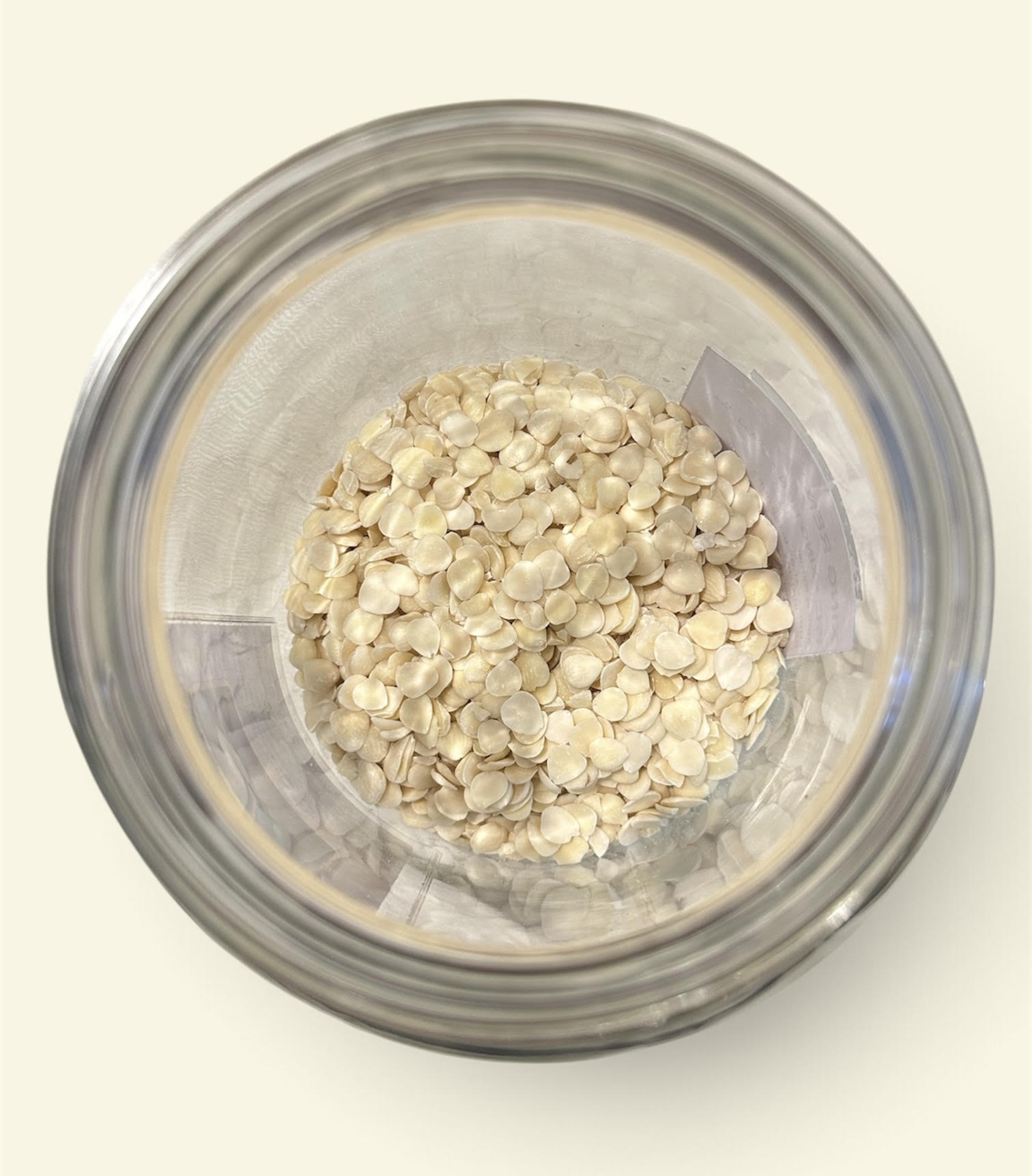
Description:
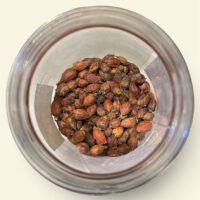
Xing Ren (杏仁), also known as Apricot Kernel, is a traditional Chinese herbal medicine prepared from the seed kernels of apricot species, particularly Prunus armeniaca L., a plant in the Rosaceae family. It is commonly known as Apricot Seed, Chinese Apricot Kernel, Bitter Apricot Kernel, Sweet Apricot Kernel, and Armeniacae Semen. In Traditional Chinese Medicine (TCM), Xing Ren traditionally refers to medicinal apricot kernels used to descend Lung Qi, relieve cough and wheezing, and moisten the intestines according to traditional TCM principles.
Xing Ren is traditionally associated with patterns involving cough, wheezing, respiratory discomfort, and constipation related to intestinal dryness. In TCM, it is primarily associated with the Lung and Large Intestine meridians and is commonly included in herbal formulas intended to support respiratory comfort and bowel function.
Xing Ren is traditionally used to descend Lung Qi and relieve cough. It may be selected in traditional formulas for coughing, wheezing, and other respiratory symptoms according to the individual’s TCM pattern.
It is also traditionally used to moisten the intestines and support bowel movement. In traditional formulas, it may be combined with other herbs for constipation associated with intestinal dryness.
Xing Ren is frequently combined with other herbs in classical TCM formulas. These traditional applications should not be interpreted as proof of clinical effectiveness for specific medical conditions.
Important safety information: Apricot kernels contain amygdalin, a compound that can release toxic cyanide when consumed. Bitter apricot kernels can be particularly hazardous. Do not consume raw apricot kernels or assume that home preparation makes them safe.
Benefits:
- Traditionally used to relieve cough according to TCM principles
- Traditionally used to support respiratory comfort
- Traditionally used to calm wheezing
- Traditionally used to descend Lung Qi
- Traditionally used to moisten the intestines
- Traditionally used to support bowel movement in patterns involving intestinal dryness
- Traditionally used in classical Chinese herbal formulas
- Traditionally used to support respiratory function according to TCM principles
- Provides naturally occurring fatty acids, including oleic and linoleic acids
- Contains naturally occurring amygdalin and other phytochemicals
- Provides plant compounds investigated in laboratory research
- Traditionally selected according to TCM pattern differentiation
These traditional uses do not establish that apricot kernels are safe or effective for treating medical conditions.
Other Names:
Xing Ren, Xing Ren (杏仁), Apricot Kernel, Apricot Seed, Chinese Apricot Kernel, Chinese Apricot Seed, Bitter Apricot Kernel, Bitter Apricot Seed, Sweet Apricot Kernel, Sweet Apricot Seed, Armeniacae Semen, Semen Armeniacae Amarum, and Prunus armeniaca L.
Persian names: تخم زردآلو (Tokhm-e Zardaloo), هسته زردآلو (Hasteh-ye Zardaloo), and مغز هسته زردآلو (Maghz-e Hasteh-ye Zardaloo). These descriptive names refer to apricot seeds or their kernels.
Indian names: खुबानी की गिरी (Khubani ki Giri), खुबानी के बीज (Khubani ke Beej), and खूबानी की गुठली (Khubani ki Guthli). These common names refer to apricot kernels or seeds and may vary by region.
Traditional Uses:
In Traditional Chinese Medicine, Xing Ren is traditionally used to descend Lung Qi and relieve cough. It may be included in formulas for coughing and wheezing, depending on the individual’s TCM pattern.
Xing Ren is traditionally used to support respiratory comfort. It may be combined with other herbs in formulas for patterns involving Wind-Cold, Wind-Heat, or Lung dryness, according to traditional diagnostic principles.
It is also traditionally used to moisten the intestines and support bowel movement in patterns involving intestinal dryness. It may be combined with other ingredients selected for their traditional moistening properties.
Xing Ren is included in classical TCM formulas intended to support respiratory function and intestinal comfort. Traditionally, it is selected according to the individual’s symptoms, constitution, and the other herbs in the formula.
Side Effects:
Apricot kernels can cause serious and potentially fatal cyanide poisoning because amygdalin can release cyanide in the body.
Possible symptoms include nausea, vomiting, headache, dizziness, weakness, confusion, difficulty breathing, and abnormal heart rhythms. Severe poisoning can cause seizures, loss of consciousness, or death.
The amount of cyanogenic compounds varies by variety, batch, and preparation. Bitter apricot kernels may contain particularly high levels.
Allergic reactions and gastrointestinal discomfort are also possible.
Do not consume raw apricot kernels. Seek emergency medical attention if cyanide poisoning is suspected.
Precautions:
Consult a healthcare practitioner before considering medicinal use of apricot kernels.
Do not consume raw kernels or assume that soaking, boiling, roasting, or grinding makes them safe.
Keep apricot kernels out of reach of children. Children may be especially vulnerable to cyanide poisoning.
Do not use apricot kernels, amygdalin, laetrile, or products marketed as “vitamin B17” to treat cancer. These products have not been established as safe and effective cancer treatments.
Confirm the botanical identity, bitter or sweet variety, processing method, and intended use with the supplier before considering medicinal use.
Pregnant or breastfeeding individuals and people with underlying medical conditions should seek professional advice before using medicinal herbal products.
Interactions:
Consult a healthcare practitioner before combining apricot kernels with prescription medications or other natural health products.
Amygdalin and laetrile products: Combining these products may increase exposure to cyanide-producing compounds.
Other cyanogenic products: Using multiple products containing cyanogenic compounds may increase the risk of toxic exposure.
Prescription medications: Reliable clinical interaction data for whole apricot kernels are limited. The absence of documented interactions does not establish safety.
If poisoning is suspected, seek emergency medical attention rather than attempting to manage the exposure by changing medications or taking additional supplements.
Dosing:
Use only as directed by a qualified Traditional Chinese Medicine practitioner and applicable product instructions.
Traditional TCM references describe specific quantities of medicinal apricot kernel for decoctions, but these amounts depend on the variety, processing, formula, and clinical circumstances.
Because apricot kernels can release toxic cyanide, no dose should be recommended for this unidentified 50 g product without confirming its identity and safety. The package weight is not a daily dose.
Storage:
Store in a cool, dry place away from direct sunlight and moisture. Keep tightly sealed and out of reach of children.
Protect the product from humidity, insects, and contamination. Proper storage does not remove naturally occurring cyanogenic compounds.
Preparation:
Traditionally, Xing Ren is prepared as part of a Chinese herbal decoction or multi-herb formula under professional guidance.
Preparation depends on the botanical source and medicinal processing requirements. Do not assume that boiling, soaking, roasting, or grinding makes apricot kernels safe to consume.
Confirm the product’s identity and intended use with the supplier before preparation.
Scientific Support:
Xing Ren, particularly bitter apricot kernel (Prunus armeniaca L.), has a long history of use in Traditional Chinese Medicine for cough, wheezing, and intestinal dryness.
Apricot kernels contain naturally occurring compounds, including amygdalin, fatty acids, flavonoids, and other phytochemicals. Scientific reviews have examined their traditional applications, chemical composition, pharmacological properties, and toxicity.
Laboratory and animal studies have investigated potential biological activities, including anti-inflammatory and antioxidant effects. However, these findings do not establish that whole apricot kernels effectively treat specific medical conditions in humans.
Scientific research also highlights the risk of cyanide poisoning from apricot kernel consumption. Health Canada has established a maximum level for extractable cyanide in apricot kernels sold as food in Canada. Product safety depends on appropriate testing, identification, and regulatory compliance.
Evidence from standardized extracts or isolated compounds should not automatically be applied to an unverified 50 g bulk product. Further clinical research is needed to establish specific therapeutic applications and safe conditions of use.
References & Scientific Support:
PubMed – Armeniacae semen amarum: a review on its botany, phytochemistry, pharmacology, clinical application, toxicology and pharmacokinetics. This review examines the botanical sources, chemical constituents, traditional uses, pharmacological research, and safety of bitter apricot kernel, including its traditional applications for cough, respiratory symptoms, and intestinal disorders. View Research.
PubMed – Phytochemistry and pharmacology of Armeniacae semen Amarum: A review. This review summarizes the traditional uses, chemical composition, pharmacological findings, and toxicological concerns associated with bitter apricot kernel, highlighting the need for further research into its safety and therapeutic applications. View Research.
Health Canada – Cyanide in apricot kernels. This official safety resource explains how amygdalin in apricot kernels can release cyanide, describes the symptoms and risks of poisoning, and outlines Canada’s maximum permitted level of extractable cyanide in apricot kernels sold as food. View Health Canada Reference.