Description:
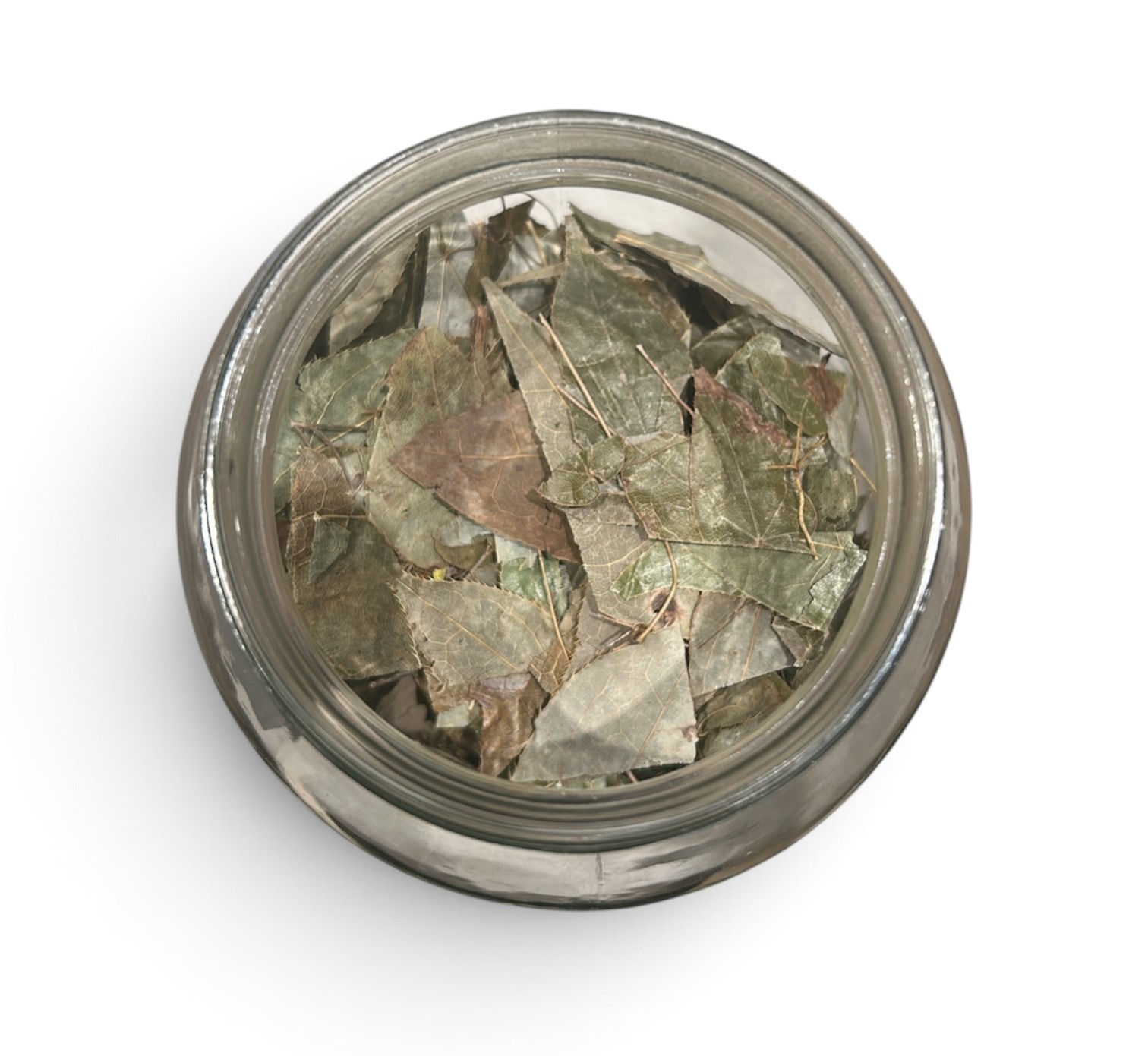
Yin Yang Huo (Epimedium spp.) by Integrity Health Naturals is a traditional Chinese herbal medicine prepared from the leaves of Epimedium, commonly known as Yin Yang Huo or Horny Goat Weed. In Traditional Chinese Medicine (TCM), Yin Yang Huo is traditionally valued for its warming and strengthening properties, particularly its affinity for Kidney Yang. Health Canada recognizes several Epimedium species as sources of Yin Yang Huo, including Epimedium brevicornu, E. grandiflorum, E. koreanum, E. pubescens, and E. sagittatum.
Yin Yang Huo is traditionally used to tonify the Kidney and fortify Yang. It is traditionally used for Kidney Yang deficiency associated with symptoms such as soreness and weakness of the lower back and knees, frequent urination, forgetfulness, and weakness.
Yin Yang Huo is also traditionally used to warm and unblock Yang Qi and dispel Wind-Cold-Dampness, particularly for traditional patterns involving joint discomfort, cramps of the hands and feet, and numbness of the extremities.
Benefits:
- Traditional Chinese herbal medicine prepared from Yin Yang Huo (Epimedium spp.)
- Traditionally used to tonify the Kidney
- Traditionally used to fortify Kidney Yang
- Traditionally used to support vitality associated with Kidney Yang deficiency
- Traditionally used for weakness or soreness of the lower back and knees
- Traditionally used for frequent urination and forgetfulness associated with Kidney Yang deficiency
- Traditionally used to warm and unblock Yang Qi
- Traditionally used to dispel Wind-Cold-Dampness
- Traditionally used for joint discomfort, cramps, and numbness associated with Wind-Cold-Dampness
- Traditionally used to support sexual vitality
Other Names:
Yin Yang Huo, Yin Yang Hua, Herba Epimedii, Epimedii Folium, Horny Goat Weed, Barrenwort, Bishop’s Hat, Fairy Wings, Xian Ling Pi (仙灵脾), Xian Ling P’i, and Epimedium.
Indian names: Saul Sumbal (सौल सुंबल), Chhal Kambli (छाल कंबली).
Persian name: Afimidon (افیمیدون).
Traditional Uses:
In Traditional Chinese Medicine, Yin Yang Huo is traditionally used to tonify the Kidney, fortify Yang, warm Yang Qi, and dispel Wind-Cold-Dampness. It is traditionally selected according to an individual’s TCM pattern and constitution.
Side Effects:
Yin Yang Huo may cause unwanted effects in some individuals, including dry mouth, nausea, vomiting, dizziness, nosebleed, headache, gastrointestinal discomfort, or other hypersensitivity reactions. A diuretic effect may also occur.
Discontinue use and consult a healthcare practitioner if unwanted symptoms occur.
Precautions:
Consult a healthcare practitioner prior to use if you are taking prescription medications or other natural health products, or if you have a medical condition.
Do not use during pregnancy or breastfeeding. Consult a healthcare practitioner before use if you have a serious or major medical condition or a TCM pattern involving Yin deficiency or excess heat.
Discontinue use and seek medical attention if dizziness, confusion, muscle weakness or pain, abnormal heartbeat, or difficulty breathing occurs. Consult a healthcare practitioner if symptoms persist or worsen.
Interactions:
Consult a healthcare practitioner before using Yin Yang Huo with prescription medications or other natural health products, as potential interactions may occur and human interaction data remain limited.
Dosing:
Use according to the product label or as directed by a qualified healthcare practitioner or Traditional Chinese Medicine practitioner. Dosage may vary depending on the form of the herb, preparation, and individual’s TCM pattern.
Storage:
Store in a cool, dry place away from direct sunlight. Keep tightly closed and out of reach of children.
Preparation:
If using dried Yin Yang Huo, prepare according to the directions provided by your Traditional Chinese Medicine practitioner or product instructions. Preparation may vary depending on whether the herb is used as a decoction, tea, powder, or other traditional preparation.
Scientific Support:
Epimedium contains bioactive flavonoids, particularly icariin, which has been studied for potential effects involving bone health, inflammation, oxidative stress, cardiovascular function, and reproductive health. Current evidence is promising but remains largely based on laboratory, animal, and limited human research.
References & Scientific Support:
Health Canada – Natural and Non-prescription Health Products Directorate (NHPID). Traditional uses and safety information for Yin Yang Huo (Epimedium). View Health Canada reference
Morren et al. An Overview of the Phytochemistry, Biological Activities and Therapeutic Potential of Epimedium spp. — review of Epimedium species, active compounds, biological activities, and current research. View research
Liu et al. Pharmacological actions of the bioactive compounds of Epimedium on the male reproductive system: current status and future perspective. Asian Journal of Andrology. View research
Icariin in male reproduction: Multi-target pharmacological mechanisms and therapeutic potential. Review of current research on icariin and reproductive health. View research