Description:
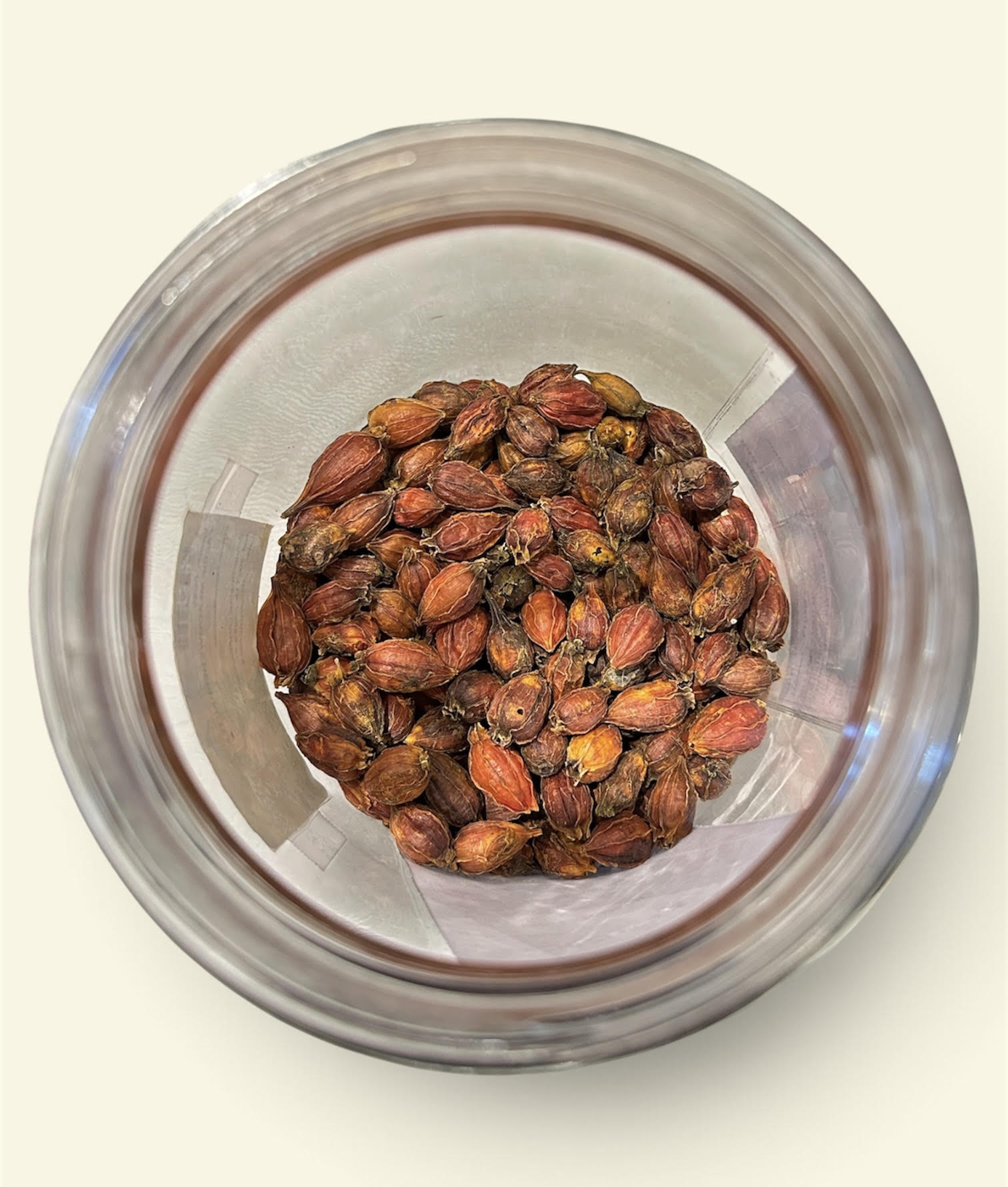
Zhi Zi (栀子), also known as Gardenia Fruit or Cape Jasmine Fruit, is a traditional Chinese herbal medicine prepared from the dried, ripe fruit of Gardenia jasminoides Ellis, a plant in the Rubiaceae family. It has a long history of use in Traditional Chinese Medicine (TCM), where it is traditionally valued for clearing Heat, draining Fire, eliminating irritability, and cooling Blood.
In TCM, Zhi Zi is associated primarily with the Heart, Lung, San Jiao (Triple Burner), and Liver meridians. It is traditionally used in herbal formulas for patterns involving Heat, restlessness, irritability, and certain presentations of Damp-Heat.
Zhi Zi is also traditionally used to address symptoms associated with Damp-Heat, including certain urinary concerns and jaundice patterns recognized in TCM. Its traditional applications depend on the individual’s overall pattern of disharmony and the combination of herbs used in a formula.
Gardenia fruit contains naturally occurring compounds, including iridoid glycosides such as geniposide and pigments such as crocin. Modern research has investigated these compounds for potential antioxidant, anti-inflammatory, liver-related, and other biological activities. However, much of this evidence comes from laboratory and animal studies, and further clinical research is needed to establish specific benefits and safe medicinal dosing in humans.
Benefits:
- Traditionally used to clear Heat and drain Fire according to TCM principles
- Traditionally used to help relieve irritability and restlessness associated with Heat patterns
- Traditionally used to cool Blood in selected TCM patterns
- Traditionally used to address certain Damp-Heat patterns
- Traditionally used in formulas for specific jaundice patterns in TCM
- Traditionally used to address certain urinary symptoms associated with Heat
- Traditionally used in formulas for selected Heat-related chest and upper-body symptoms
- Contains naturally occurring iridoid glycosides, including geniposide
- Contains naturally occurring carotenoid pigments, including crocin
- Provides plant compounds investigated for potential antioxidant activity
- Contains phytochemicals studied for potential anti-inflammatory effects
- Traditionally used as an ingredient in classical Chinese herbal formulas
These benefits describe traditional applications and areas of scientific investigation. They should not be interpreted as proof that Gardenia fruit treats or prevents medical conditions.
Other Names:
Zhi Zi, Zhi Zi (栀子), Gardenia Fruit, Cape Jasmine Fruit, Gardenia jasminoides Fruit, Fructus Gardeniae, Gardeniae Fructus, Shan Zhi Zi (山栀子), Huang Zhi Zi (黄栀子), and Cape Jasmine.
Persian names: میوه گاردنیا (Gardenia Fruit), میوه یاس کپهای (Cape Jasmine Fruit), and زیزی (Zhi Zi, transliteration). These are descriptive translations or transliterations rather than established traditional Persian herbal names.
Indian names: Gandharaj (गंधराज) is a regional name associated with Gardenia in some contexts, although common names vary by region and plant species. The descriptive name Gardenia Fruit is preferable when identifying this specific Chinese medicinal herb.
Traditional Uses:
In Traditional Chinese Medicine, Zhi Zi is traditionally used to clear Heat, drain Fire, eliminate irritability, and cool Blood.
It is commonly included in traditional formulas for patterns involving Heat affecting the Heart, Liver, or other organ systems. Depending on the TCM presentation, it may be used in formulas addressing restlessness, irritability, a sensation of heat, or certain inflammatory-type symptoms described within traditional diagnostic frameworks.
Zhi Zi is also traditionally used to drain Damp-Heat and is included in selected formulas for jaundice and urinary symptoms associated with Damp-Heat patterns.
Its traditional applications depend on the patient’s presentation, the preparation of the herb, and the other ingredients in the formula. These uses reflect traditional practice and do not establish proven clinical effectiveness.
Side Effects:
The safety of medicinal doses of Zhi Zi has not been fully established in humans. Possible adverse effects may depend on the dose, preparation, duration of use, and individual sensitivity.
Potential adverse effects include gastrointestinal discomfort, nausea, abdominal discomfort, or diarrhea.
Scientific reviews have identified potential toxicity concerns associated with Gardenia fruit and certain of its constituents, particularly with excessive exposure or inappropriate use. Research has raised concerns about possible liver and kidney toxicity, although the relevance of individual findings depends on the compound, dose, preparation, and study conditions.
Discontinue use and seek advice from a qualified healthcare practitioner if unwanted symptoms develop. Seek prompt medical assessment if symptoms suggest a significant adverse reaction.
Precautions:
Consult a qualified healthcare practitioner before using Zhi Zi medicinally, particularly if you have an existing medical condition or take prescription medications.
Pregnancy and breastfeeding: Avoid medicinal use during pregnancy or breastfeeding unless specifically recommended by a qualified healthcare practitioner. Reliable safety information is limited.
Liver or kidney conditions: Consult a healthcare practitioner before use if you have liver or kidney disease, given the toxicity concerns identified in preclinical research.
Children and adolescents: Medicinal use should be guided by a qualified healthcare practitioner.
Persistent symptoms: Jaundice, dark urine, pale stools, persistent fever, severe abdominal pain, or significant urinary symptoms require medical assessment rather than self-treatment with herbal products.
Use only correctly identified Gardenia jasminoides fruit from a reputable supplier. Gardenia fruit preparations can differ in composition depending on processing and extraction methods.
Interactions:
Reliable clinical data on interactions between Zhi Zi and prescription medications are limited. Consult a qualified healthcare practitioner or pharmacist before combining it with medications or other herbal products.
Liver-related medications: Because some Gardenia constituents have shown potential liver-related effects in experimental studies, professional guidance is advisable when taking medications that affect liver function.
Diabetes medications: Laboratory and animal research has investigated potential glucose-related effects of Gardenia constituents. The clinical significance is uncertain, but people taking glucose-lowering medications should seek professional advice before medicinal use.
Diuretics and medications affecting fluid balance: Consult a healthcare practitioner before combining Zhi Zi with these products, particularly if you have kidney disease or electrolyte disturbances.
Other Chinese herbal formulas: Zhi Zi is frequently combined with other herbs in TCM formulas. The safety and suitability of a combination depend on the complete formula, preparation, dosage, and individual circumstances.
Do not start, stop, or adjust prescription medications based on traditional herbal uses or preliminary research findings.
Dosing:
Use according to the product label or as directed by a qualified Traditional Chinese Medicine practitioner.
Traditional Chinese Medicine references commonly describe dried Zhi Zi in an approximate range of 6–10 g per day for decoction use. The appropriate amount depends on the preparation, processing method, formula, intended traditional application, and individual circumstances.
This traditional reference range is not a recommendation for self-treatment. Modern clinical evidence is insufficient to establish a universally safe and effective medicinal dose.
For a 50 g bulk-herb product, the package quantity should not be interpreted as a recommended daily dose.
Do not assume that whole dried fruit, powdered herb, concentrated extracts, and isolated constituents are interchangeable.
Storage:
Store in a cool, dry place away from direct sunlight and excessive heat. Keep the package tightly closed and out of reach of children.
Protect the dried fruit from moisture, humidity, insects, and contamination.
Do not use the product if there are signs of mold, unusual odor, moisture damage, or spoilage.
Preparation:
Zhi Zi is traditionally prepared as a decoction by simmering the dried fruit in water according to a qualified practitioner’s instructions.
The fruit may be crushed or processed before preparation, depending on the herbal formula and the practitioner’s instructions. Different processing methods can affect the herb’s chemical composition and traditional application.
Zhi Zi is commonly combined with other herbs in classical TCM formulas intended to address Heat, irritability, or Damp-Heat patterns.
Use only the preparation and amount recommended by your practitioner. Do not assume that tea, decoctions, powders, and concentrated extracts have equivalent effects or safety profiles.
Scientific Support:
Zhi Zi is derived from the dried, ripe fruit of Gardenia jasminoides Ellis, a member of the Rubiaceae family. It contains several classes of naturally occurring compounds, including iridoid glycosides, carotenoids, flavonoids, organic acids, and other phytochemicals.
Geniposide is one of the principal iridoid glycosides investigated in Gardenia fruit research. Crocin is a naturally occurring carotenoid pigment that has also attracted scientific interest.
Modern research has examined Gardenia fruit and its constituents for potential antioxidant, anti-inflammatory, liver-related, neurological, and metabolic effects. Some findings suggest biological activity in laboratory and animal models, but these results cannot automatically be applied to people using whole dried Gardenia fruit.
Research has also identified potential toxicity concerns, particularly involving the liver and kidneys. The significance of these findings for humans depends on the dose, preparation, duration of exposure, and individual health factors.
Although scientific studies provide insight into the chemical composition and biological activity of Gardenia fruit, they do not establish that this 50 g dried-herb product is effective for treating specific medical conditions.
Further high-quality human clinical research is needed to establish its clinical effectiveness, appropriate dosing, long-term safety, and potential interactions.
References & Scientific Support:
PubMed – A Review of the Ethnopharmacology, Phytochemistry, Pharmacology and Toxicology of Fructus Gardeniae (Zhi-zi). This 2022 review examines Gardenia fruit’s traditional applications, chemical constituents, pharmacological research, and potential toxicity, including concerns related to liver and kidney safety. View Research.
PubMed – Gardenia jasminoides Ellis: Ethnopharmacology, Phytochemistry, and Pharmacological and Industrial Applications of an Important Traditional Chinese Medicine. This 2020 review summarizes the plant’s traditional uses, phytochemical composition, potential biological activities, and safety considerations. View Research.
PubMed – A Comprehensive Review of Ethnopharmacology, Chemical Constituents, Pharmacological Effects, Pharmacokinetics, Toxicology, and Quality Control of Gardeniae Fructus. This 2024 review examines the traditional applications, chemical constituents, pharmacological findings, metabolism, quality control, and toxicological concerns associated with Gardenia fruit. View Research.
Health Canada – Natural Health Products Ingredients Database. Health Canada’s database provides information about recognized natural health product ingredients and their permitted uses. Product-specific licensing and approved claims should be verified independently; a database ingredient listing does not establish that every Gardenia fruit product is licensed for medicinal use. View Health Canada Reference.