
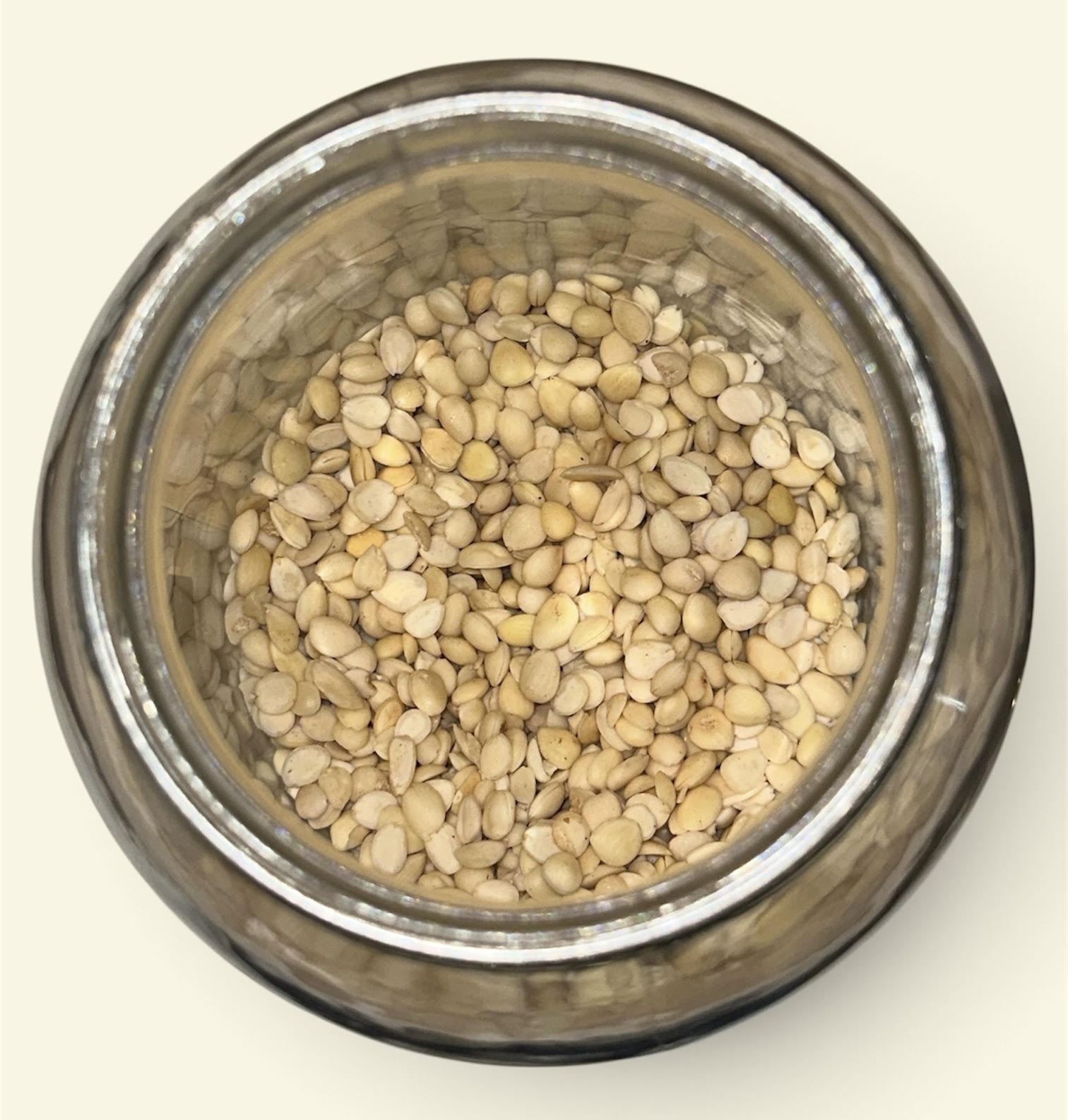
Description:
Tao Ren (桃仁), also known as Peach Kernel, is a traditional Chinese herbal medicine prepared from the dried mature seeds of Prunus persica (L.) Batsch or Prunus davidiana (Carrière) Franch., plants in the Rosaceae family. It is commonly known as Peach Seed, Peach Kernel, Persicae Semen, and Tao Ren. In Traditional Chinese Medicine (TCM), it is traditionally valued for invigorating Blood, dispersing Blood Stasis, and moistening the intestines according to traditional TCM principles.
Tao Ren is traditionally associated with patterns involving Blood Stasis, fixed abdominal discomfort, menstrual irregularities, and constipation associated with intestinal dryness. It is primarily associated with the Heart, Liver, and Large Intestine meridians and is commonly included in traditional herbal formulas intended to support Blood circulation according to TCM principles.
Tao Ren is traditionally used to invigorate Blood and disperse Blood Stasis. It may be included in traditional formulas for menstrual discomfort and other symptoms associated with traditional Blood Stasis patterns.
It is also traditionally used to moisten the intestines and support bowel movements. In TCM, it may be selected for constipation associated with intestinal dryness.
Important safety note: Peach kernels contain amygdalin and other cyanogenic compounds that can release toxic hydrogen cyanide. Raw or improperly prepared kernels can cause serious poisoning. This product should only be used medicinally under qualified professional guidance, and it should not be eaten as a snack.
Benefits:
- Traditionally used to invigorate Blood according to TCM principles
- Traditionally used to disperse Blood Stasis
- Traditionally used in formulas for menstrual discomfort
- Traditionally used to support menstrual health according to TCM principles
- Traditionally used to support comfortable abdominal function
- Traditionally used to moisten the intestines
- Traditionally used to support bowel movements associated with intestinal dryness
- Traditionally used in classical Chinese herbal formulas
- Provides naturally occurring amygdalin and other plant constituents
- Contains naturally occurring fatty acids and other phytochemicals investigated in scientific research
- Traditionally used to support overall wellness according to TCM principles
- These are traditional uses, not established clinical benefits of this specific 50 g product.
Other Names:
Tao Ren, Tao Ren (桃仁), Peach Kernel, Peach Seed, Peach Pit Kernel, Persicae Semen, Semen Persicae, Prunus persica (L.) Batsch, and Prunus davidiana (Carrière) Franch.
Persian names: هسته هلو (Hasteh-ye Holu, Peach Kernel) and دانه هلو (Daneh-ye Holu, Peach Seed). These are descriptive Persian names rather than established traditional Persian medicinal names for Tao Ren.
Indian names: आड़ू की गिरी (Aadoo Ki Giri, Peach Kernel) and आड़ू के बीज (Aadoo Ke Beej, Peach Seeds). These are descriptive Hindi names rather than established traditional Indian medicinal names for Tao Ren.
Traditional Uses:
In Traditional Chinese Medicine, Tao Ren is traditionally used to invigorate Blood and disperse Blood Stasis. It may be included in formulas for menstrual irregularities, menstrual discomfort, and fixed abdominal pain associated with traditional Blood Stasis patterns.
Tao Ren is also traditionally used to moisten the intestines and support bowel movements, particularly in patterns associated with intestinal dryness.
It is included in classical TCM formulas such as Tao Hong Si Wu Tang, traditionally used to invigorate Blood and address Blood Stasis.
Traditionally, Tao Ren is selected according to the individual’s TCM pattern, constitution, symptoms, and the other herbs included in the formula. Because of its potential toxicity, medicinal use requires appropriate preparation and qualified professional guidance.
Side Effects:
Tao Ren contains amygdalin and related cyanogenic compounds that can release hydrogen cyanide. Consumption of raw, crushed, or improperly prepared kernels can cause cyanide poisoning, which may be life-threatening.
Possible symptoms of poisoning include nausea, vomiting, headache, dizziness, weakness, confusion, difficulty breathing, seizures, and loss of consciousness.
Other unwanted effects may include digestive discomfort or allergic reactions.
Do not consume raw peach kernels or use this product for self-treatment. If poisoning is suspected, seek emergency medical assistance or contact your local poison centre immediately.
Precautions:
Tao Ren should only be used under the supervision of a qualified Traditional Chinese Medicine practitioner who can assess appropriate preparation, dosage, and suitability.
Pregnancy: Avoid use during pregnancy. Tao Ren is traditionally classified as a Blood-invigorating herb and is generally contraindicated during pregnancy because of potential risks.
Breastfeeding: Avoid medicinal use unless specifically approved by a qualified healthcare practitioner, as safety information is limited.
Bleeding disorders: Consult a healthcare practitioner before use if you have a bleeding disorder or a history of unusual bleeding.
Surgery: Inform your healthcare practitioner before surgery or other medical procedures because of its traditional Blood-invigorating properties.
Children: Do not administer to children without explicit direction from a qualified healthcare professional. Children may be particularly vulnerable to cyanide poisoning.
Do not use as a food, snack, or substitute for ordinary edible peach flesh. Processing and professional assessment are essential because cyanogenic compounds can pose serious risks.
Interactions:
Consult a qualified healthcare practitioner before combining Tao Ren with prescription medications or other natural health products.
Anticoagulants and antiplatelet medications: Potential interactions involving bleeding risk should be considered. Clinical interaction data for Tao Ren are limited.
Medications affecting blood clotting: Consult a healthcare practitioner before use, especially if you take medication that affects coagulation or platelet function.
Other herbal products: Combining Tao Ren with other Blood-invigorating herbs may change the overall effects and safety of a formula.
Other prescription medications: Reliable clinical interaction data are limited. Professional assessment is particularly important because of Tao Ren’s cyanogenic constituents and potential toxicity.
Dosing:
Use only as directed by a qualified Traditional Chinese Medicine practitioner.
Traditional Chinese Medicine references commonly describe processed Tao Ren in an approximate range of 4.5–9 g in traditional decoctions. This range is not a recommendation for self-administration or for this particular product. Appropriate use depends on botanical identity, processing, formulation, individual circumstances, and professional assessment.
Because peach kernels contain cyanogenic compounds, do not independently measure, crush, boil, or consume this product for medicinal purposes without qualified professional instructions.
For a 50 g bulk-herb product, the package quantity should not be interpreted as a recommended daily dose.
Storage:
Store in a cool, dry place away from direct sunlight. Keep tightly closed and out of reach of children.
Protect dried Tao Ren from moisture, humidity, insects, and excessive heat. Clearly distinguish it from ordinary edible nuts and food products.
Discard if there are signs of mold, unusual odor, insect contamination, or spoilage.
Preparation:
Tao Ren is traditionally incorporated into TCM decoctions and multi-herb formulas following appropriate medicinal processing.
Traditional processing methods may include removing the outer seed coat or stir-frying, depending on the intended preparation. Processing does not guarantee the removal of all cyanogenic compounds.
Because of the potential for cyanide poisoning, this product should not be prepared for ingestion using general home-remedy instructions. Follow the specific directions of a qualified TCM practitioner and use only appropriately identified and processed medicinal material.
Scientific Support:
Tao Ren is derived from the mature seeds of Prunus persica or Prunus davidiana. It has a long history of use in Traditional Chinese Medicine, particularly in formulas intended to invigorate Blood and moisten the intestines.
Peach kernels contain naturally occurring compounds, including amygdalin, prunasin, fatty acids, proteins, and other phytochemicals. Research has investigated potential anti-inflammatory, antioxidant, and other biological activities of these constituents.
Scientific reviews have examined Tao Ren’s traditional applications, phytochemistry, pharmacology, and toxicology. However, many reported biological effects are based on laboratory or animal studies, and clinical evidence for specific medical applications remains limited.
Amygdalin is of particular safety concern because it can release hydrogen cyanide after ingestion. The concentration of cyanogenic compounds may vary according to the plant material and preparation. Traditional use does not eliminate the risk of poisoning, and findings from extracts or processed preparations cannot automatically be applied to unprocessed kernels.
Further high-quality human studies are needed to establish specific clinical benefits, safe preparation methods, and appropriate dosing. Product-specific safety and quality should be verified before medicinal use.
References & Scientific Support:
PubMed – Traditional Use, Phytochemistry, Pharmacology, Toxicology and Clinical Applications of Persicae Semen: A Review. This review examines Tao Ren’s traditional applications, chemical constituents, pharmacological research, and toxicological risks, including the importance of understanding its preparation and safety. View Research.
PubMed – Amygdalin: A Pharmacological and Toxicological Review. This review examines amygdalin’s reported biological activities and toxicity, including its ability to release hydrogen cyanide after oral ingestion and the associated risks of cyanide poisoning. View Research.
Health Canada – Natural Health Products Database and Safety Information. Health Canada’s natural health product resources provide information on licensed products, recognized ingredients, product-specific directions, and safety requirements. A database listing or recognition of an ingredient does not establish that every peach-kernel product is licensed or safe for ingestion. View Health Canada Reference.


