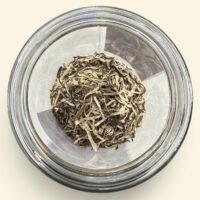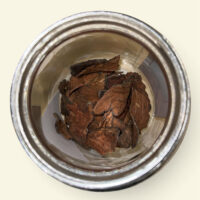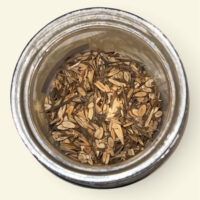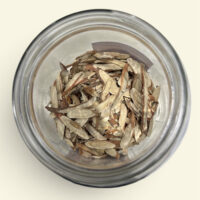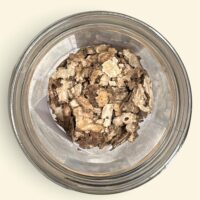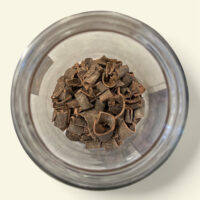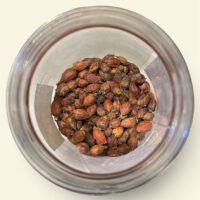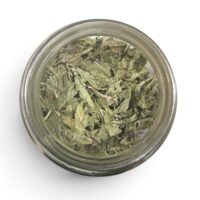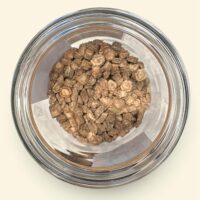
Description:
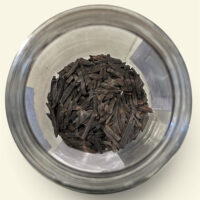
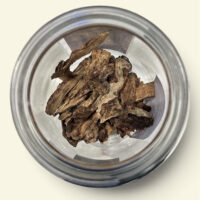
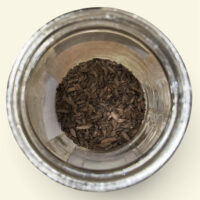
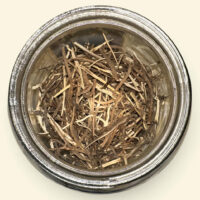
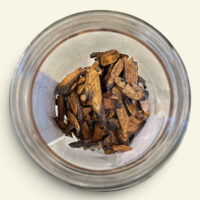
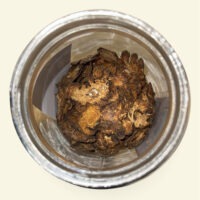
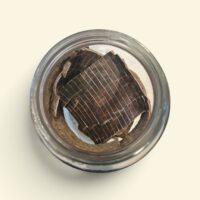
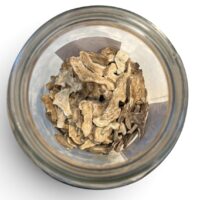
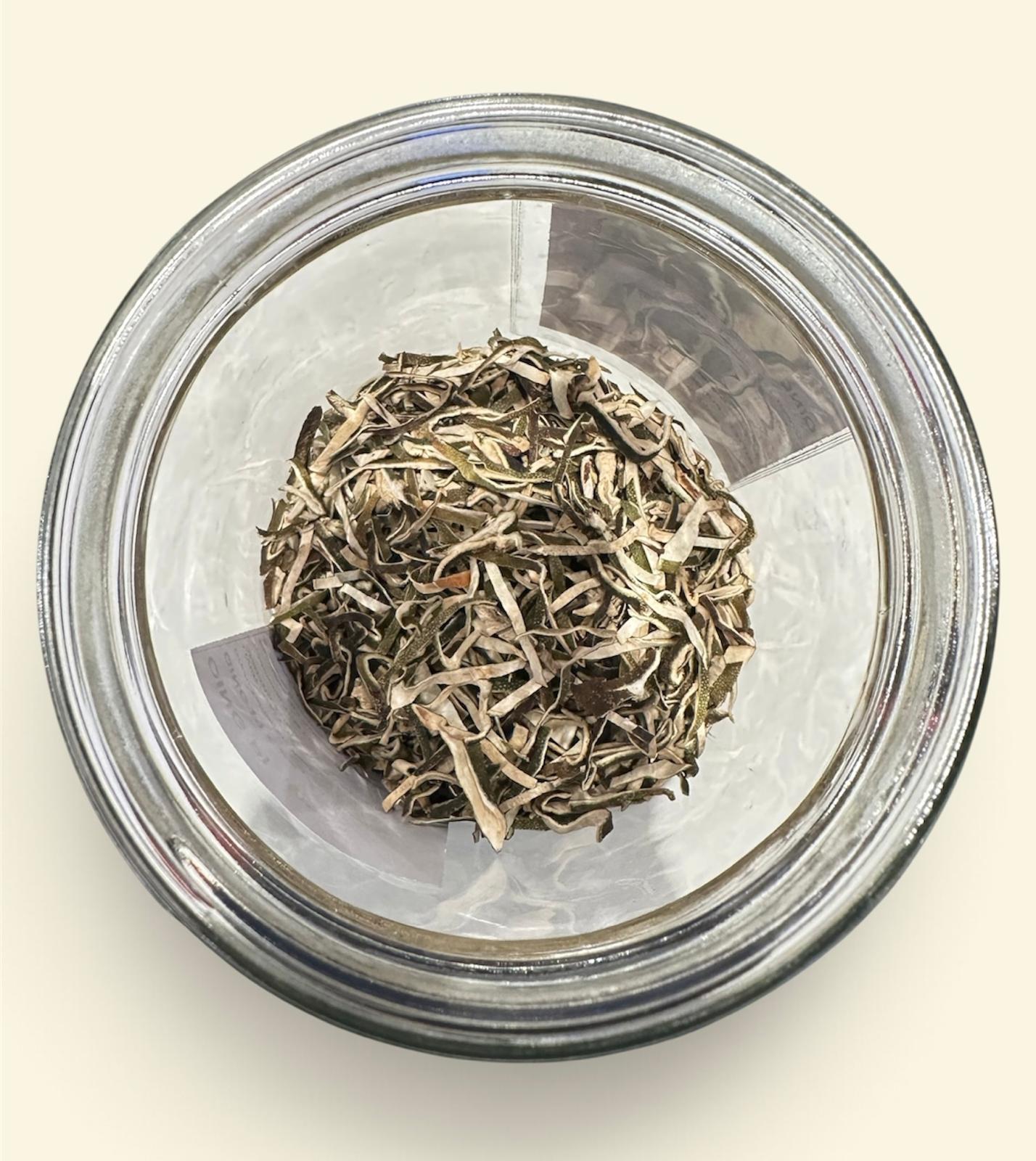
Qing Pi (青皮) (Citrus reticulata Blanco) is a traditional Chinese herbal medicine prepared from the dried peel of young or immature green tangerine fruits, a plant belonging to the Rutaceae family. It is commonly known as Qing Pi, Green Tangerine Peel, Green Mandarin Peel, Immature Tangerine Peel, Citri Reticulatae Pericarpium Viride, and Pericarpium Citri Reticulatae Viride. In Traditional Chinese Medicine (TCM), Qing Pi is traditionally valued for its ability to regulate Qi, disperse Qi stagnation, soothe the Liver, relieve distension and pain, and support healthy digestive function according to traditional TCM principles.
Qing Pi is traditionally considered an important herb for patterns involving Liver Qi stagnation, digestive Qi stagnation, abdominal distension, chest and hypochondriac discomfort, and food stagnation. It is traditionally associated primarily with the Liver, Gallbladder, and Stomach meridians. Its traditional properties are described as pungent and bitter in taste and warm in temperature.
Qing Pi is traditionally used to regulate Qi and relieve stagnation. It may be selected in traditional formulas for symptoms such as abdominal fullness, bloating, discomfort, and distension associated with impaired Qi movement.
Qing Pi is also traditionally used to soothe the Liver and promote the smooth movement of Liver Qi. It may be included in traditional formulas for chest discomfort, rib-side distension, breast distension, and other symptoms associated with traditional Liver Qi stagnation patterns.
Qing Pi is traditionally valued for its ability to break up more pronounced Qi stagnation. Compared with Chen Pi (陈皮), which is prepared from the dried peel of mature tangerines and is traditionally used to regulate Qi and support digestion, Qing Pi is considered stronger in its Qi-dispersing and Qi-breaking actions.
Qing Pi is also traditionally used to address food stagnation and digestive discomfort. It may be included in traditional formulas for abdominal distension and discomfort associated with the retention of undigested food.
Benefits:
- Traditionally used to regulate and promote the smooth flow of Qi according to TCM principles
- Traditionally used to disperse and break up Qi stagnation
- Traditionally used to soothe and regulate Liver Qi
- Traditionally used to support healthy Liver Qi movement
- Traditionally used to relieve abdominal distension and fullness
- Traditionally used to support comfortable digestion
- Traditionally used to relieve occasional digestive discomfort associated with Qi stagnation
- Traditionally used to address food stagnation
- Traditionally used to support healthy digestive Qi movement
- Traditionally used to relieve chest and hypochondriac distension
- Traditionally used to support comfortable chest and rib-side function
- Traditionally used in traditional formulas for breast distension associated with Qi stagnation
- Traditionally used to promote the movement of Qi in the upper and middle portions of the body
- Traditionally used to support comfortable abdominal function
- Traditionally used to address hernia-related discomfort according to traditional TCM principles
- Traditionally used to support the movement of Qi throughout the digestive system
- Provides naturally occurring flavonoids, including hesperidin, nobiletin, and tangeretin
- Provides naturally occurring citrus polyphenols and other phytochemicals
- Contains naturally occurring volatile oils and aromatic compounds
- Contains naturally occurring antioxidant compounds investigated in modern scientific research
- Traditionally used as a Qi-regulating ingredient in classical TCM herbal formulas
- Traditionally used to support overall digestive wellness according to TCM principles
Other Names:
Qing Pi, Qing Pi (青皮), Qingpi, Green Tangerine Peel, Green Mandarin Peel, Immature Tangerine Peel, Unripe Tangerine Peel, Green Citrus Peel, Young Tangerine Peel, Citri Reticulatae Pericarpium Viride, Pericarpium Citri Reticulatae Viride, Citri Reticulatae Viride Pericarpium, Ge Qing Pi, Si Hua Qing Pi, Citrus reticulata Blanco, and Mandarin Orange Immature Peel.
Persian names: پوست نارنگی سبز (Poost-e Narenji-ye Sabz), پوست نارنگی نارس (Poost-e Narenji-ye Nares), پوست سبز پرتقال ماندارین (Green Mandarin Orange Peel), and پوست میوه نارنگی نارس (Unripe Tangerine Peel).
Indian names: हरे मंदारिन का छिलका (Hare Mandarin Ka Chilka – Green Mandarin Peel), कच्चे संतरे का छिलका (Kachche Santre Ka Chilka – Unripe Orange Peel), हरी नारंगी का छिलका (Hari Narangi Ka Chilka – Green Orange Peel), and मंदारिन के फल का छिलका (Mandarin Ke Phal Ka Chilka – Mandarin Fruit Peel).
Note: The Persian and Hindi names above are descriptive translations. A standardized traditional Ayurvedic or Sanskrit medicinal name for Qing Pi is not established.
Traditional Uses:
In Traditional Chinese Medicine, Qing Pi is traditionally used to regulate Qi and disperse stagnation, particularly in patterns involving Liver Qi stagnation and digestive Qi stagnation. It may be included in traditional formulas for abdominal distension, fullness, discomfort, and impaired digestive Qi movement.
Qing Pi is traditionally used to soothe the Liver and promote the smooth circulation of Liver Qi. It may be selected for chest and hypochondriac distension, rib-side discomfort, and breast distension associated with traditional Liver Qi stagnation patterns.
Qing Pi is traditionally used to address food stagnation and digestive discomfort. It may be included in traditional formulas for abdominal fullness, bloating, and discomfort associated with the retention of undigested food.
Another distinctive traditional function of Qing Pi is its ability to break up more pronounced Qi stagnation. It is considered stronger in this respect than Chen Pi (陈皮), the dried peel of mature tangerines.
Qing Pi is traditionally used in formulas addressing certain types of hernia-related discomfort and abdominal distension according to traditional TCM pattern differentiation.
Traditionally, Qing Pi is selected according to the individual’s TCM pattern, constitution, symptoms, and the other herbs included in the formula. Because of its relatively strong Qi-dispersing properties, it is generally used with consideration for the individual’s overall condition.
Side Effects:
Qing Pi is a traditional herbal medicine, and comprehensive human clinical safety data for the whole dried herb are limited.
Gastrointestinal discomfort, including nausea, stomach irritation, or abdominal discomfort, may occur in sensitive individuals.
Allergic reactions are possible, particularly in individuals with sensitivity or allergies to citrus fruits or citrus-derived products.
Skin irritation or contact dermatitis may occur in susceptible individuals following direct contact with citrus peel or its naturally occurring volatile oils.
Because Qing Pi is traditionally considered a relatively strong Qi-moving and Qi-breaking herb, inappropriate or excessive use may be unsuitable for individuals with underlying Qi deficiency or a weak constitution according to traditional TCM principles.
The safety of prolonged or excessive consumption has not been adequately established.
Discontinue use and consult a healthcare practitioner if unwanted or persistent symptoms occur.
Precautions:
Consult a healthcare practitioner prior to use if you are taking prescription medications or other natural health products, or if you have a medical condition.
Do not use during pregnancy unless directed by a qualified healthcare practitioner or Traditional Chinese Medicine practitioner. Its traditional Qi-moving and Qi-breaking properties warrant particular caution during pregnancy.
Consult a qualified healthcare practitioner before use if you are breastfeeding, as adequate safety information is not available for medicinal use during lactation.
Use with caution in individuals with Qi deficiency, weakness, poor appetite, or a weak constitution according to traditional TCM principles.
Individuals with significant digestive disorders, persistent abdominal pain, or unexplained abdominal symptoms should seek appropriate medical assessment rather than relying on herbal treatment.
Individuals with known citrus allergies should avoid this product.
Consult a healthcare practitioner before use if you have a serious or major medical condition.
Discontinue use and consult a healthcare practitioner if symptoms persist or worsen or if new symptoms develop.
Interactions:
Consult a healthcare practitioner before using Qing Pi with prescription medications or other natural health products.
Medications affecting blood pressure and cardiovascular function: Some citrus species and citrus-derived compounds have demonstrated pharmacological effects in laboratory research. However, clinically significant interactions specific to whole-herb Qing Pi have not been adequately established. Individuals taking cardiovascular medications should seek professional guidance.
Drug-metabolizing enzymes: Citrus-derived flavonoids and other phytochemicals have been investigated for potential effects on drug-metabolizing enzymes and transporters. The clinical significance of these findings for whole dried Qing Pi is currently uncertain.
Gastrointestinal medications: Individuals taking medications for gastrointestinal conditions should consult a healthcare practitioner before combining them with medicinal amounts of Qing Pi, particularly if they experience ongoing digestive symptoms.
Other herbal medicines: Qing Pi is frequently combined with other Qi-regulating herbs in traditional TCM formulas. Its relatively strong Qi-dispersing properties should be considered when combining it with other herbs that promote Qi movement.
Individuals taking multiple medications or combining Qing Pi with concentrated herbal extracts should consult a qualified healthcare practitioner before use.
Dosing:
Use according to the product label or as directed by a qualified healthcare practitioner or Traditional Chinese Medicine practitioner.
Traditional Chinese Medicine pharmacopoeia references commonly describe Qing Pi in an approximate range of 3–9 g when used as a dried herb or decoction. The appropriate amount depends on the preparation, formula, individual constitution, and clinical circumstances.
Because Qing Pi is traditionally considered a relatively strong Qi-regulating and Qi-breaking herb, its appropriate amount and duration of use should be determined according to the individual’s TCM pattern and clinical circumstances.
For a 50 g bulk-herb product, the package quantity should not be interpreted as a recommended daily dose.
Storage:
Store in a cool, dry place away from direct sunlight. Keep tightly closed and out of reach of children.
Protect dried Qing Pi from moisture, humidity, insects, and excessive heat.
Preserve the herb in an airtight container to help maintain its natural aromatic properties and quality.
Discard if there are signs of mold, unusual odor, insect contamination, or spoilage.
Preparation:
If using dried Qing Pi, prepare according to the directions provided by your Traditional Chinese Medicine practitioner or product instructions.
Traditionally, Qing Pi is prepared as a decoction by simmering the dried peel with water. It is frequently combined with other herbs in classical TCM formulas according to the individual’s traditional pattern and intended use.
Qing Pi may also be incorporated into traditional herbal preparations and medicinal soups under professional guidance.
Qing Pi should not be confused with Chen Pi (陈皮), which is made from the dried peel of mature tangerines. Although both herbs originate from Citrus reticulata, they differ in their traditional properties, functions, and clinical applications.
Scientific Support:
Qing Pi is primarily derived from Citrus reticulata Blanco, a member of the Rutaceae family. The medicinal material consists of the dried pericarp of young or immature tangerine fruits.
Qing Pi is chemically complex and contains naturally occurring flavonoids, volatile oils, phenolic compounds, and other phytochemicals. Some of its characteristic flavonoids include hesperidin, nobiletin, tangeretin, and other citrus-derived compounds.
Modern analytical research has investigated the chemical composition of Qing Pi using techniques such as gas chromatography–mass spectrometry (GC–MS), ultra-performance liquid chromatography–mass spectrometry (UPLC-MS), and high-performance liquid chromatography (HPLC).
Research has identified numerous volatile and nonvolatile constituents in Qing Pi, including flavonoids and aromatic compounds. These constituents are being investigated for their potential antioxidant and other biological activities.
A 2023 study published in Foods investigated the physicochemical characteristics and metabolite changes of Qing Pi during storage. Researchers identified changes in flavonoid concentrations, including hesperidin, nobiletin, and tangeretin, as well as changes in antioxidant activity during storage. The findings demonstrate that storage conditions and duration can influence the chemical composition and quality of Qing Pi.
Another 2023 study published in Food Science & Nutrition investigated the volatile and nonvolatile chemical constituents of Citri Reticulatae Pericarpium Viride. The research identified a variety of naturally occurring compounds and provided additional information about the chemical characteristics of immature tangerine peel.
Modern pharmacological research has investigated citrus-derived flavonoids for their potential antioxidant, anti-inflammatory, metabolic, and other biological activities. However, findings from isolated compounds, laboratory experiments, and animal studies do not establish that whole dried Qing Pi is clinically effective for treating specific medical conditions in humans.
Traditional TCM applications of Qing Pi, including regulating Qi, soothing Liver Qi, and dispersing stagnation, are based on traditional Chinese medical theory and historical clinical practice. These traditional uses should be distinguished from modern clinical evidence.
Clinical evidence specifically evaluating whole-herb Qing Pi in humans remains limited. Additional high-quality human clinical studies are required to establish its therapeutic effectiveness, safety, appropriate dosing, and potential interactions with medications.
References & Scientific Support:
PubMed – Identification of Volatile and Nonvolatile Compounds in Citri Reticulatae Pericarpium Viride Using GC–MS, UPLC-Q-Exactive Orbitrap-MS, and HPLC-PDA. This study investigates the chemical composition of Qing Pi (Citri Reticulatae Pericarpium Viride) using advanced analytical techniques, identifying naturally occurring volatile and nonvolatile compounds and providing information about its flavonoid content and phytochemical characteristics. View Research.
PubMed – Evaluation and Optimization of Quality Based on the Physicochemical Characteristics and Metabolites Changes of Qingpi during Storage. This study examines how storage duration affects the chemical composition and quality of Qing Pi, including changes in hesperidin, nobiletin, tangeretin, total flavonoid content, phenolic compounds, and antioxidant activity. View Research.
Health Canada – Natural Health Products Ingredients Database (NHPID) / Traditional Chinese Medicine Ingredients. Health Canada’s database identifies Citrus reticulata as a botanical source of Qing Pi (Pericarpium Citri Reticulatae Viride), providing an official Canadian reference for its botanical identity and traditional Chinese medicinal ingredient nomenclature. Health Canada’s licensed product database also includes a licensed Qing Pi granule product under NPN 80137497. This regulatory reference does not constitute approval of this particular 50 g bulk-herb product or establish its clinical effectiveness. View Health Canada – Traditional Chinese Medicine Ingredients/ View Health Canada Reference.